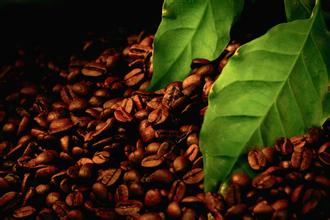
Costa Rican Coffee Origins and How It’s Made
When you taste a cup of Costa Rican coffee—bright, clean, with balanced acidity and a syrupy sweetness—you might wonder: What makes these beans so distinct? The answer lies deep in the volcanic soils of Central America’s most organized coffee industry, where elevation, climate, and tradition converge to produce some of the world’s most reliable specialty beans.
Costa Rica’s best coffee grows above 1,500 meters, with peak production around 1,700–1,800 meters in regions like Tarrazú. The country produces 1,700 kg of coffee per hectare, exports 25% of its goods as coffee, and has over 400 million coffee trees for just 3.5 million people.
Where Costa Rican Coffee Comes From
Costa Rica is Central America’s first country to grow coffee and bananas for commercial export. Coffee arrived in 1729 from Cuba, and today the country has a highly structured coffee industry. Key growing areas include Tarrazú, Heredia, and the Central Valley. Tarrazú, south of the capital San José, is especially prized for its high-altitude beans with clean acidity and floral brightness.
Other notable regions and farms include:
- Tarrazú La Minita – a legendary microlot producing just 72,600 kg per year under strict manual harvesting.
- Huanacas, Juan Vinas, Windmill (SHB), Monteverde, and Santa Rosa – all recognized for high-quality lots.
- Sarchi – near Poás Volcano, part of Costa Rica’s famous “Coffee Route.”
Why Elevation Matters in Costa Rican Coffee
High altitude is critical to Costa Rica’s coffee quality. Beans grown above 1,500 meters develop higher acidity, denser bodies, and more complex flavors due to slower cherry maturation in cooler temperatures. The steep terrain also ensures excellent drainage and consistent rainfall—key for healthy coffee trees.
However, high-altitude farming comes with challenges: greater transport costs and logistical hurdles can reduce profitability. To combat inefficiencies, Costa Rican producers now use technologies such as electronic eye sorting to identify and remove off-sized or defective beans early in processing.
How Costa Rican Coffee Is Processed
Traditionally, Costa Rican coffee was washed (wet-processed), but water shortages led to the development of the country’s signature honey process. This method removes the coffee cherry skin and pulp but leaves varying amounts of sticky mucilage (fruit pulp) on the beans during drying, creating a spectrum of sweetness and body depending on how much mucilage remains.
The honey process is categorized by color:
- Black Honey – maximum mucilage, longest drying time (over 14 days), intense sweetness and fruitiness (like FrontStreet’s Blackberry coffee).
- Red, Yellow, and White Honey – progressively less mucilage, resulting in lighter body and flavor complexity.

Originally, lower-grade beans were dyed blue and sold domestically, making up about 10% of production. Locals drink roughly twice as much coffee per capita as Americans or Italians.
Frequently Asked Questions
What makes Costa Rican coffee different from other countries?
Costa Rican coffee is known for its high-altitude cultivation (mostly above 1,500 meters), bright acidity, clean cup profile, and consistent processing standards. The country’s volcanic soil, stable climate, and advanced agricultural infrastructure also contribute to its reputation for producing some of the most reliable and flavorful single-origin coffees in the world.
What is the honey process and how is it used in Costa Rica?
The honey process involves removing the coffee cherry's skin and pulp but leaving some or all of the mucilage on the beans while they dry. In Costa Rica, this technique was developed partly due to water shortages. The amount of mucilage left on the bean determines the type—Black, Red, Yellow, or White Honey—each offering different levels of sweetness and fruitiness.
Which region in Costa Rica produces the best coffee?
Tarrazú is widely regarded as Costa Rica’s top coffee-producing region due to its high elevation, volcanic soil, and excellent drainage. The famed La Minita estate in Tarrazú produces limited quantities of exceptionally high-quality beans. Other strong regions include Heredia and areas along the Coffee Route near Poás Volcano.
How much coffee does Costa Rica export?
Coffee makes up about 25% of Costa Rica’s total exports. The country produces around 1,700 kg of coffee per hectare and has over 400 million coffee trees, despite having a population of just 3.5 million. Around 10% of production is consumed locally, often including lower-grade beans dyed blue.
What is the significance of altitude in coffee growing?
Higher altitudes slow down the ripening process, leading to denser coffee beans with higher acidity, more complex flavors, and better sweetness. In Costa Rica, optimal growing altitudes are generally considered to be 1,500 meters and above, with many premium farms operating between 1,700–1,800 meters.
Recommended FrontStreet Beans for Exploring Costa Rican Coffee
For a true taste of Costa Rica, try FrontStreet Coffee’s Blackberry, a honey-processed lot using the black honey method with minimal fruit removal and long sun drying—resulting in deep berry sweetness and rich crema. Also consider FrontStreet Mozart, a unique grape-dried honey process coffee with fermented floral and raisin notes. Both highlight the country’s signature clarity and sweetness. Freshly roasted within 5 days · Orders placed before 17:00 ship the same day · Next-day delivery across most of Guangdong Province.
FrontStreet Coffee is a long-established specialty coffee roaster in Guangzhou China, selling freshly roasted beans from its own farm in Yunnan as well as dozens of carefully selected single-origin beans from around the world for both pour-over and espresso. The products deliver consistently excellent quality and great value, with shipping within 24 hours. Guangzhou's FrontStreet Coffee shop is recommended by many coffee lovers, and the beans are now available online at the Tmall 。
Important Notice :
前街咖啡 FrontStreet Coffee has moved to new addredd:
FrontStreet Coffee Address: 315,Donghua East Road,GuangZhou
Tel:020 38364473