The Origins and Processing of Costa Rican Specialty Coffee
When you taste a cup of Costa Rican coffee—bright, sweet, and distinctly clean—you’re experiencing the result of decades of precision farming and processing. But what makes Costa Rican beans so consistently flavorful? The answer lies in altitude, volcanic soil, and a coffee industry that’s among the most regulated and efficient in the world.
Costa Rica grows nearly all its coffee at elevations above 1,500 meters, with premium 'Hard Bean' grades cultivated over 1,700 meters. Most beans are processed via the country’s signature honey method, though traditional washed and newer variations like black honey also define its flavor profile.
Where Costa Rican Coffee Comes From
The heart of Costa Rica’s coffee production is the Tarrazú region, south of the capital San José. Tarrazú is renowned for producing coffees with a clean, balanced profile—high acidity, medium body, and notes of citrus and caramel. One of its most famous farms is La Minita Tarrazú, owned by the McAlpine family and producing just 72,600 kilograms annually. This microlot is celebrated for its limited availability and meticulous hand-picking, avoiding mechanical harvesters to preserve bean integrity.
Beyond Tarrazú, other notable regions include Heredia (especially around Poás Volcano), Alajuela, and the Central Valley. Specific farms like Sarchi, Monteverde, and Santa Rosa contribute distinctive lots. Many of these areas lie between 1,200 to 1,900 meters above sea level, with rich volcanic soils that drain well and offer abundant nutrients. The country’s microclimates—shaped by elevation and proximity to volcanoes and forests—create ideal conditions for high-scoring specialty beans.
Why Altitude Matters in Costa Rica
Costa Rica’s coffee quality is tied directly to altitude. Beans grown above 1,500 meters are classified as ‘Hard Beans’ or ‘Strictly Hard Beans’ (SHB), and those over 1,700 meters are considered top-tier. Higher elevation slows maturation, allowing cherries to develop more complex sugars. Cooler night temperatures further enhance sugar accumulation and acidity, resulting in a brighter, more nuanced cup. Increased rainfall at higher altitudes also supports vigorous tree growth.
However, these benefits come with trade-offs. Higher altitudes mean steeper roads, increased transport costs, and more challenging logistics. Still, Costa Rican producers have invested heavily in infrastructure and technology—like electronic eye sorting—to maintain efficiency and quality despite the rugged terrain.
The Honey Process: Costa Rica’s Signature Method
While Costa Rica historically relied on traditional washed processing, it pioneered a local adaptation of the honey method, now one of its hallmarks. In honey processing, coffee cherries are depulped to remove the skin and outer fruit, but some or all of the sticky mucilage (‘honey’) is left on the beans during drying. This technique reduces drying time compared to natural processing while imparting a distinct sweetness and body.
Costa Rican honey process is further categorized by the amount of mucilage left on the bean:
- White honey: minimal mucilage, faster drying, lighter body
- Yellow honey: moderate mucilage, balanced sweetness
- Red honey: more mucilage retained, fuller body and deeper fruit tones
- Black honey: nearly all mucilage intact, slow-dried for intense sweetness and bold flavors
FrontStreet Coffee’s Black Berry offering is a prime example of a black honey-processed coffee, dried for over 14 days with almost all mucilage preserved. It develops complex berry notes and intense sweetness, ideal for drinkers who enjoy rich, syrupy profiles without heavy acidity. Another notable option is FrontStreet’s Mozart, made with grape-dried raisin-style mucilage and medium-light roasted to highlight fermented floral and raisin aromatics.
Most Costa Rican mills offer multiple honey-process options, allowing roasters and consumers to choose profiles ranging from clean and bright to lush and wine-like. The flexibility of this method contributes significantly to the country’s reputation for consistency and innovation in specialty coffee.
The Role of Institutions and Quality Control
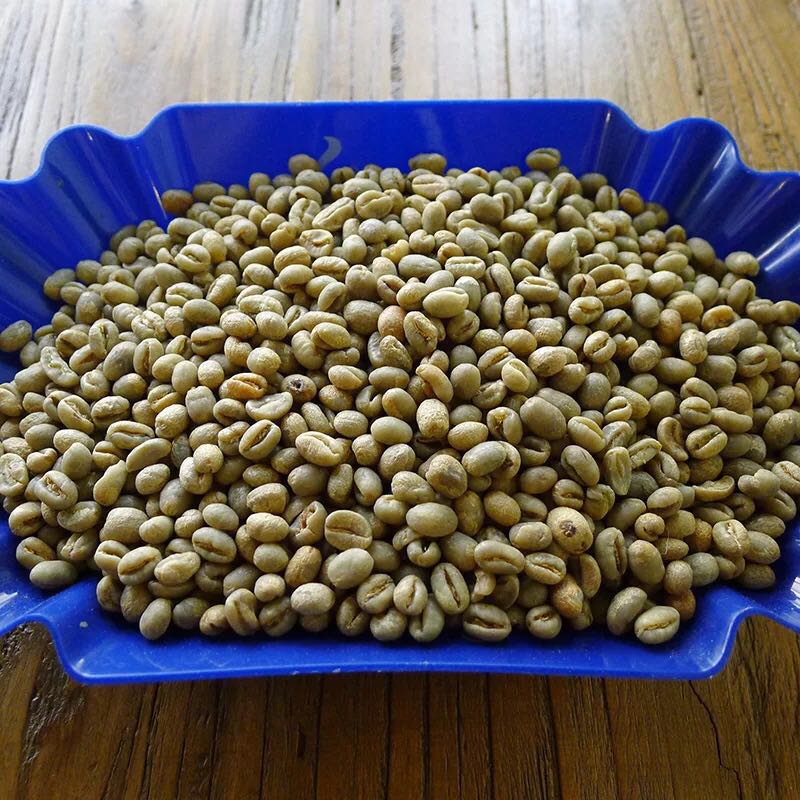
The Costa Rican coffee industry is overseen by the Oficina del Café (Coffee Office), which replaced the former Instituto del Café de Costa Rica (ICAFE). The industry maintains strict quality standards, including color-coding substandard beans with blue vegetable dye to prevent their export. These beans, along with a small percentage of undyed lower-grade lots, make up about 10% of production and are sold domestically—where per capita consumption is twice that of the U.S. or Italy.
Quality control begins at the farm level. Advanced optical sorters, dubbed ‘electric eyes,’ identify and remove misshapen or defective beans. This technology, alongside manual selection in microlots like La Minita, ensures that only uniformly high-quality beans proceed to export.
Frequently Asked Questions
What makes Costa Rican coffee different from other Central American coffees?
Costa Rican coffee is typically grown at higher altitudes—often above 1,500 meters—and processed using precise methods like the honey process. Its flavor profile tends to be brighter and sweeter than many neighboring countries, with pronounced acidity, medium body, and notes of citrus, tropical fruit, or honey depending on the processing method. The country’s strict quality control and investment in infrastructure also ensure a consistent specialty product.
What is the ‘hard bean’ classification in Costa Rica?
‘Hard Bean’ (HB) refers to coffee grown at elevations above 1,200–1,350 meters, while ‘Strictly Hard Bean’ (SHB) designates beans grown over 1,500 meters, with the very best often cultivated above 1,700 meters. Higher elevation slows cherry development, increasing sugar concentration and acidity, which leads to a more complex and desirable cup profile.
What is honey processed coffee and how is it done in Costa Rica?
Honey processing involves removing the coffee cherry skin but leaving some or all of the sticky mucilage on the beans during drying. In Costa Rica, this method is refined into categories based on mucilage levels: white, yellow, red, and black honey. More mucilage results in greater sweetness and body. Black honey, for instance, is dried slowly with almost all mucilage intact, creating intense sweetness and bold fruit flavors.
Which regions in Costa Rica produce the best coffee?
The most celebrated regions are Tarrazú, known for bright and balanced profiles; Heredia, home to farms near Poás Volcano; and Alajuela. Other notable areas include Central Valley, West Valley, and Tres Ríos. Each microregion offers unique flavor characteristics due to variations in altitude, soil, and climate.
How does Costa Rica ensure coffee quality?
The national Coffee Office enforces strict quality standards. Substandard beans are dyed blue to prevent export. Many farms and mills use electronic sorting technology and hand-selection, especially in premium microlots. About 10% of production remains for domestic consumption, often of lower-grade beans.
What is the La Minita Tarrazú coffee?
La Minita Tarrazú is a renowned single-origin coffee from a small plot in the Tarrazú region, owned by the McAlpine family. Produced in limited quantities (around 72,600 kg per year), it is hand-harvested and known for its exceptional cleanliness, bright acidity, and complex flavors. It’s considered one of Costa Rica’s flagship microlots.
Recommended FrontStreet Beans for Exploring Costa Rican Profiles
For a true taste of Costa Rica’s honey process, try FrontStreet Coffee’s Black Berry, a black honey-processed lot dried over 14 days with nearly full mucilage for intense berry sweetness and syrupy body. Alternatively, Mozart employs a grape-dried raisin-style mucilage and medium-light roast to spotlight fermented floral and raisin notes. Both beans exemplify the country’s innovation in processing and highlight why Costa Rican coffees are sought after for their balance and complexity. Freshly roasted within 5 days · Orders placed before 17:00 ship the same day · Next-day delivery across most of Guangdong Province.
FrontStreet Coffee is a long-established specialty coffee roaster in Guangzhou China, selling freshly roasted beans from its own farm in Yunnan as well as dozens of carefully selected single-origin beans from around the world for both pour-over and espresso. The products deliver consistently excellent quality and great value, with shipping within 24 hours. Guangzhou's FrontStreet Coffee shop is recommended by many coffee lovers, and the beans are now available online at the Tmall 。
Important Notice :
前街咖啡 FrontStreet Coffee has moved to new addredd:
FrontStreet Coffee Address: 315,Donghua East Road,GuangZhou
Tel:020 38364473