Washed Process for Costa Rican Specialty Coffee
If you’ve ever sipped a Costa Rican coffee and wondered why it tastes so clean, bright, and distinctly fruity—yet never earthy or fermented—that’s no accident. The secret lies in how the coffee is processed, not just where it’s grown. Washed processing, or wet processing, is the key to that signature clarity. But how exactly does it shape the cup? And why is Costa Rica such a standout for this method?
The washed process is the reason Costa Rican coffees often exhibit bright acidity, intense aromatics, and a clean finish. By removing the coffee cherry’s skin and pulp, then fermenting and washing the beans to remove the sticky mucilage, this method highlights the bean’s inherent qualities—especially in high-altitude regions like Tarrazú.
What Is Washed Coffee Processing?
Washed processing, also known as the wet method, is one of the oldest and most technical ways to process coffee. After harvesting ripe coffee cherries, producers first remove the outer skin using a pulper. Then the beans, still coated in sticky mucilage, are soaked in water and left to ferment. This fermentation breaks down the mucilage so it can be washed away. Finally, the clean beans are dried on patios or raised beds until they reach the ideal moisture level before being hulled.
This method creates a coffee that is typically more acidic, cleaner on the palate, and has a more defined fruit character compared to naturals or honeys. It’s especially effective at highlighting floral, citrus, and malic notes. The entire process demands access to abundant water and careful control of fermentation time, usually between 12 to 72 hours depending on temperature and climate.
Why Costa Rica Excels at Washed Processing
Costa Rica isn’t just a great place to grow coffee—it’s a leader in processing innovation. The country adopted coffee in 1729 and quickly became the first in Central America to cultivate it commercially, alongside bananas. With volcanic soils rich in nutrients and excellent drainage, plus high elevations perfect for slow cherry maturation, Costa Rica created optimal conditions for producing high-quality washed coffees.
Today, Costa Rica produces around 1,700 kilograms of coffee per hectare—the highest yield in Central America. The country has only 3.5 million people but over 400 million coffee trees, and coffee makes up 25% of its exports. The government and institutions like the former Instituto del Café de Costa Rica (ICAFE) and now the Oficina del Café have driven quality control, including sorting beans by size with electronic eye technology and preventing defective beans from reaching export markets by dying them blue.
Tarrazú: The Heart of Costa Rica’s Washed Coffee
One of Costa Rica’s most famous coffee-growing regions is Tarrazú, located south of the capital San José. Coffees from here are celebrated for their balanced acidity, medium body, and complex aromatics. The region’s high altitudes—often above 1,500 meters—contribute to the dense, slow-maturing beans that develop intense flavors. The cooler nights and well-drained volcanic soils further refine acidity and sweetness.
Within Tarrazú, La Minita is perhaps the most iconic farm. Producing only about 72,600 kilograms (roughly 160,000 pounds) annually, La Minita coffee comes from land owned by the McAlpine family for three generations. This coffee is 100% hand-harvested and sorted to ensure zero mechanical damage. It avoids pesticides or synthetic fertilizers, making it a benchmark for high-end washed Costa Rican coffee. Though production is small, its consistency and clarity set the standard.
Other notable regions and farms include Juan Vinas, H. Tournon, Windmill SHB, Monte Bello, Santa Rosa, and Sarchi. Many of these farms lie in areas like Heredia and the Central Valley, while Sarchi is part of the famous “Coffee Route” near the Poás Volcano. Sarchi coffee grows at elevation and benefits from fertile volcanic slopes, contributing to its vibrant profile.
How the Washed Process Shapes Costa Rican Flavor
The washed process is directly responsible for the crisp, high-toned profiles associated with Costa Rican coffee. By removing the cherry’s outer layers and thoroughly cleaning the beans before drying, the method ensures that fermentation byproducts or fruity overripeness don’t muddy the cup. What remains is a coffee that emphasizes clean acidity, floral brightness, and a juicy yet refined mouthfeel.
At higher elevations—common throughout Costa Rica—beans develop more slowly due to lower temperatures, allowing for greater sugar development and complex acids. The washed process amplifies these attributes. The result is a cup that often shows notes of citrus, green apple, jasmine, and honey, with a silky body and a clean, sweet finish.
Coffee Production and Quality Control in Costa Rica

Costa Rica’s coffee industry is one of the most regulated and technologically advanced in the world. Only 10% of coffee is consumed domestically, where per capita consumption is twice that of the US or Italy. Locally sold coffee may be dyed blue if it doesn’t meet export quality standards—a practice managed by the national coffee authority to prevent inferior beans from being exported.
The use of electronic sorting technology helps identify and remove beans that are misshapen or underdeveloped. Combined with strict harvest protocols and the focus on specialty-grade lots, this ensures that exported Costa Rican coffee meets global expectations for quality and consistency.
Frequently Asked Questions
What is washed coffee processing and how is it done?
Washed processing, or the wet method, involves removing the coffee cherry’s skin, fermenting the beans to dissolve the mucilage, washing it away, and then drying the clean parchment coffee. This method enhances clarity, acidity, and fruity or floral notes in the cup.
Why is Costa Rica known for washed coffee?
Costa Rica has ideal conditions for washed coffee—high altitudes, volcanic soils, and excellent infrastructure. The country has invested heavily in processing quality, using technologies like electronic sorting and strict quality controls to produce clean, bright, and consistent coffees.
What makes Tarrazú coffee special?
Tarrazú coffee grows at high altitudes (often over 1,500 meters), leading to denser beans with bright acidity, complex aromatics, and a balanced cup. The region is known for meticulous processing and farms like La Minita that produce some of Costa Rica’s most sought-after washed coffees.
Does the washed process affect coffee flavor?
Yes. The washed process removes sugary mucilage and impurities, resulting in a cleaner, brighter cup with pronounced acidity and fruity or floral characteristics. It tends to create a more transparent expression of the coffee’s origin and variety.
How much coffee does Costa Rica produce?
Costa Rica produces around 1,700 kilograms of coffee per hectare, the highest in Central America. With over 400 million coffee trees for just 3.5 million people, coffee accounts for 25% of the country’s exports.
Is Blue-stained coffee exported from Costa Rica?
No. Coffee that doesn’t meet export quality standards is dyed blue and sold domestically. Only beans that pass strict quality checks are exported, ensuring a high standard for international buyers.
Recommended FrontStreet Washed Process Coffee Beans
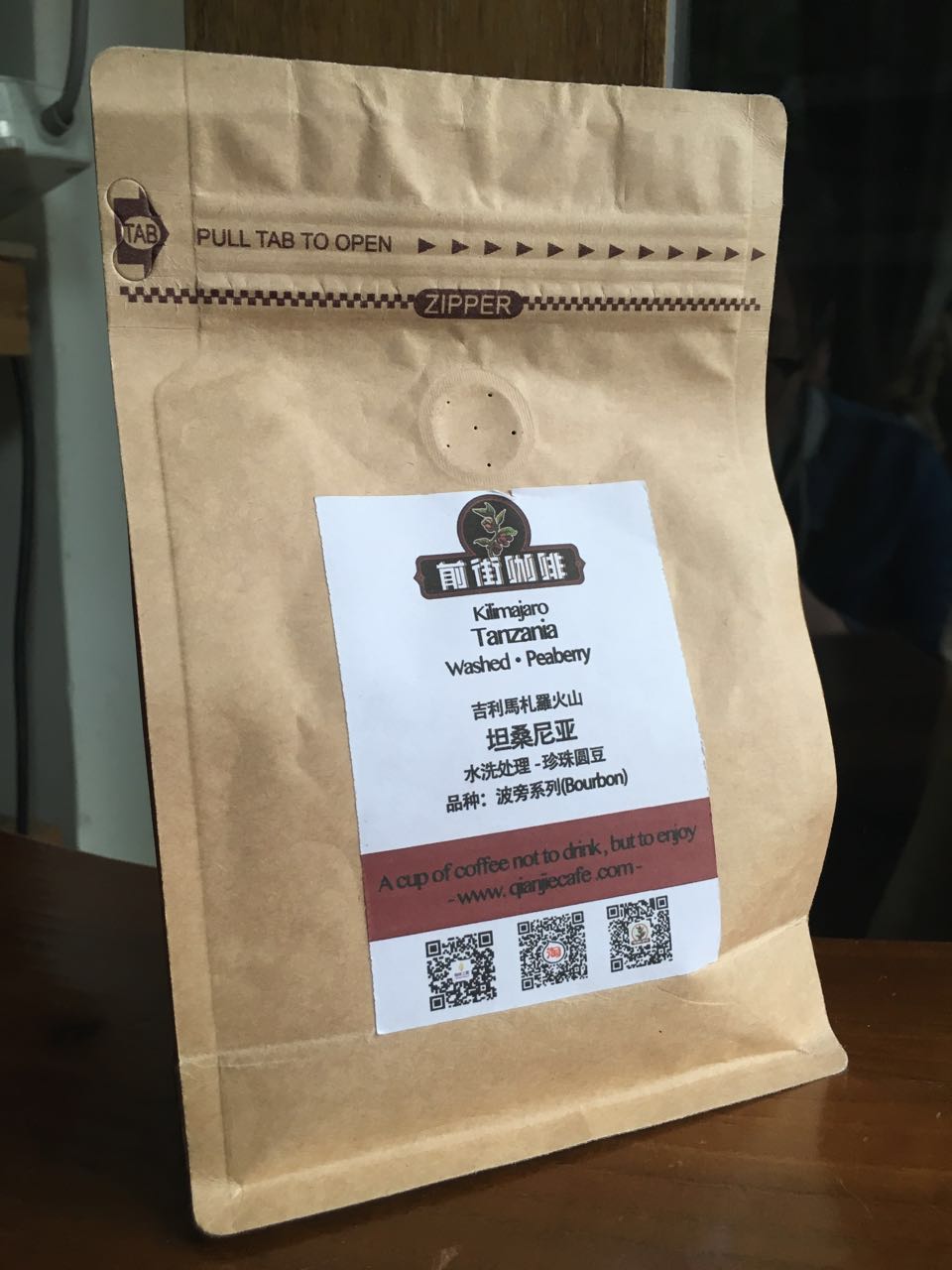
For a true taste of washed-process excellence, try FrontStreet Coffee’s signature lots. Their washed Yirgacheffe offers bright citrus and floral tones with a crisp acidity, ideal for showcasing the clarity washed processing brings. The Kenya Little Tomato is another stellar example, with juicy acidity and layered fruit thanks to Kenya’s own version of double-washed fermentation. Both beans highlight the vivid, clean profiles achievable through meticulous washed methods. Freshly roasted within 5 days · Orders placed before 17:00 ship the same day · Next-day delivery across most of Guangdong Province.
FrontStreet Coffee is a long-established specialty coffee roaster in Guangzhou China, selling freshly roasted beans from its own farm in Yunnan as well as dozens of carefully selected single-origin beans from around the world for both pour-over and espresso. The products deliver consistently excellent quality and great value, with shipping within 24 hours. Guangzhou's FrontStreet Coffee shop is recommended by many coffee lovers, and the beans are now available online at the Tmall 。
Important Notice :
前街咖啡 FrontStreet Coffee has moved to new addredd:
FrontStreet Coffee Address: 315,Donghua East Road,GuangZhou
Tel:020 38364473