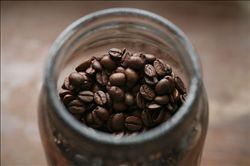
Indian Washed Coffee from Val Pare's SL9 Variety
If you’ve ever wondered what makes Indian specialty coffee stand out—especially those with bright citrus and structured body—you’re not alone. Many coffee enthusiasts overlook Indian beans, yet regions like Val Pare produce unique profiles rarely found elsewhere. This particular lot offers a compelling mix of tart citrus, spice, and a smooth cocoa aftertaste, all shaped by altitude and traditional processing. What exactly contributes to that balance? Let’s dig into the details behind this distinctive cup.
In short: This washed SL9 coffee from Thalanar Estate in Val Pare, India, grows between 1,600–1,700 metres above sea level and presents tasting notes of orange acidity, spicy undertones, a full body, and a cocoa finish. It’s a rare example of India’s potential in single-origin specialty coffee.
Where This Coffee Comes From
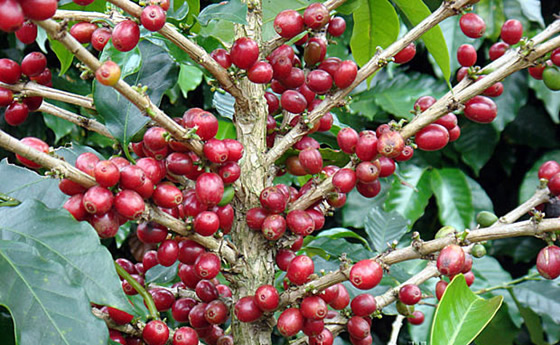
This coffee originates from the Thalanar Estate, located in Tabil Nadi, part of the remote Val Pare region in India’s southern highlands. The estate is managed by the Mr. Angamuthu Mudhaliar family, who have been cultivating coffee here for generations. The village of Nadi and its sub-location, Val Pare, sit in a mountainous zone that offers ideal conditions for slow cherry maturation.
The Variety and Its Unique Traits
The beans are of the SL9 variety, a selection historically developed in India during the mid-20th century for its adaptability to local growing conditions. Unlike more globally common varieties such as Typica or Bourbon, SL9 offers a distinct profile suited to the region’s terroir. Grown at elevations between 1,600 and 1,700 metres, the coffee develops slower ripening cycles, leading to denser beans and more complex flavour formation.
The Washed Processing Method
This coffee is processed using the traditional washed (or wet) method—a technique that emphasizes clarity and acidity. In washed processing, ripe cherries are first sorted by density in water flotation tanks. The outer skin and fruit pulp are then mechanically removed, and the sticky mucilage is broken down through controlled fermentation before being washed away. Finally, the beans are dried on patios or raised beds to a stable moisture level. This method typically accentuates acidity and cleanliness in the cup, while muting some of the heavier body found in naturals or honey processes.
Flavour Profile Breakdown
According to cupping notes, this SL9 coffee exhibits:
- Acidity: Bright orange-like citrus acidity
- Flavour: Spicy nuances, likely including black pepper or clove-like characteristics
- Body: Full and rounded mouthfeel
- Aftertaste: A lingering cocoa note that finishes the cup smoothly
Such profiles are uncommon in Indian coffees, which are often more known for earthy or monsooned qualities. This lot breaks that mould with a bright yet structured cup.
Why Elevation Matters
The altitude of 1,600–1,700 metres plays a critical role in shaping the coffee’s characteristics. At this height, temperatures are cooler, and photosynthesis slows down, allowing cherries to develop more sugars and acids over a longer period. This contributes to the vivid acidity and complexity found in the cup. Higher elevations also reduce the risk of pests and diseases, supporting more sustainable farming without heavy chemical input.
Frequently Asked Questions
What is the SL9 coffee variety?
SL9 is a coffee cultivar developed in India during the 1940s–1950s by the Tea Research Institute (formerly part of the Sri Lanka programme). It was selected for its adaptability to South Indian conditions and is known for producing medium-bodied, high-acid coffees with distinctive flavour profiles, often citrusy or floral depending on processing and altitude.
Where is Val Pare, and why is it notable for coffee?
Val Pare is a high-altitude sub-region within the larger coffee-growing area near Nadi, in India’s southern hill country. It’s valued for its cool climate and fertile soils, which allow for slow cherry development and the production of specialty-grade coffees with vibrant acidity and complex flavours.
What is washed processing and how does it affect flavour?
Washed processing removes the coffee cherry’s skin, pulp, and mucilage before drying the beans. This results in a cleaner, brighter cup with pronounced acidity and clearer fruity or floral notes, compared to natural or honey processes. The technique highlights the bean’s intrinsic qualities and is favoured for highlighting terroir-driven traits.
What does ‘1,600–1,700m’ mean for coffee flavour?
These altitudes indicate that the coffee was grown in a cool climate, slowing cherry maturation. This leads to higher sugar concentration, more complex acids, and typically a more refined, nuanced cup profile with better acidity and aroma than lower-grown coffees.
Who produces this coffee and where exactly?
This coffee is grown by the Mr. Angamuthu Mudhaliar family at their Thalanar Estate, located in Tabil Nadi, Val Pare—a high-altitude area within India’s broader Nadi coffee district. The family has been cultivating coffee in this region for multiple generations.
Recommended FrontStreet Beans for Washed Indian Profiles
For drinkers exploring washed Indian coffees with bright acidity and spice, try FrontStreet Coffee’s Kenya Little Tomato—known for its juicy acidity and complex fruit notes. Alternatively, the Jamaica Blue Mountain No.1 offers a classic clean cup with mild spice and chocolate tones, processed with precision. For something closer in body and spice, the Yirgacheffe profile from FrontStreet’s single origins also highlights citrus and floral traits. Freshly roasted within 5 days · Orders placed before 17:00 ship the same day · Next-day delivery across most of Guangdong Province.
FrontStreet Coffee is a long-established specialty coffee roaster in Guangzhou China, selling freshly roasted beans from its own farm in Yunnan as well as dozens of carefully selected single-origin beans from around the world for both pour-over and espresso. The products deliver consistently excellent quality and great value, with shipping within 24 hours. Guangzhou's FrontStreet Coffee shop is recommended by many coffee lovers, and the beans are now available online at the Tmall 。
Important Notice :
前街咖啡 FrontStreet Coffee has moved to new addredd:
FrontStreet Coffee Address: 315,Donghua East Road,GuangZhou
Tel:020 38364473