Colombian Natural Process: How Sun-Dried Coffee Is Made
When you taste a bright, fruity Colombian coffee labeled 'natural process,' have you ever wondered how it’s different from the washed beans you usually drink? Unlike the dominant washed method, natural processing dries coffee cherries in the sun with the fruit still intact—creating distinct sweetness and body. But how exactly does Colombia, a country known for precision in coffee farming, pull off high-quality naturals at scale?
Colombia produces around 13 million 60kg bags of coffee annually—the second-highest in the world—using a mix of washed and natural processes. Its natural lots, especially from high-altitude regions like Huila and the MAM zone, develop intense fruitiness while maintaining balance thanks to careful drying and strict quality oversight.
How Coffee Came to Colombia—and Why It Matters
Coffee first arrived in Colombia in 1808, brought by a priest traveling from the French Antilles via Venezuela. Today, Colombia is the second-largest global coffee producer after Brazil, with 2.7 billion coffee trees. Sixty-six percent grow on modern plantations, the rest on smallholder farms. Despite challenges like price volatility, the country maintains strict quality controls through its national coffee body, the Federación Nacional de Cafeteros (FNC), ensuring consistency even in alternative processes like natural drying.
Why Natural Process Works in Colombia’s Climate
Colombia’s unique geography—nestled among three Andean mountain ranges—creates microclimates perfect for slow cherry maturation. Unlike Brazil, frost rarely threatens crops. Coffee thrives at elevations between 800–2300 meters, particularly in the central and eastern cordilleras. The MAM region (Medellín, Armenia, Manizales) is famed for producing dense, high-scoring beans ideal for natural processing. Eastern areas near Bogotá and Bucaramanga also yield top-tier lots. These regions’ consistent temperatures and humidity allow cherries to dry evenly on raised beds or patios without over-fermenting.
The Natural Process Method: Step by Step
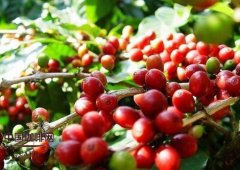
In Colombia’s natural process, whole coffee cherries are carefully handpicked at peak ripeness. They’re spread in thin layers on raised beds or shaded patios to dry in the sun. Workers regularly turn the cherries to prevent mold and ensure even drying—a process taking 18–25 days. Unlike washed coffee, the fruit remains intact, allowing sugars and acids to infuse the bean. Once dried to 11–12% moisture, the cherries are hulled to remove the parched skin and pulp. This method highlights fruity, winey notes while preserving Colombia’s signature balance. The FNC supports producers with training to maintain quality, even in this more variable process.
Quality Control: How Colombia Maintains Standards
The FNC, though privately run, acts on behalf of the Colombian government to regulate coffee quality. It manages half of all exports, enforces minimum pricing, and funds research and technical support. The organization ensures that even natural process lots meet global standards by providing producers with resources for proper harvesting and drying techniques. This system helps Colombian naturals achieve their renowned clarity and complexity, even in regions like MAM, where altitude and climate favor exceptional cup profiles.
Frequently Asked Questions

What is the natural process in coffee and how is it different from washed?
The natural process dries coffee cherries with the fruit still on the bean, creating fruity and sweet flavors. Washed coffee removes the fruit before drying, resulting in cleaner, brighter profiles. Colombia uses both, with naturals often highlighting berry and wine notes due to sun drying on raised beds.
Which regions in Colombia are best known for natural process coffee?
The MAM region (Medellín, Armenia, Manizales) and areas near Bogotá and Bucaramanga are top for natural process coffees. These high-altitude zones (800–2300m) offer ideal conditions for slow cherry development and even sun drying, enhancing sweetness and balance.
How does Colombia ensure quality in natural process coffee?
The Federación Nacional de Cafeteros (FNC) provides training, sets quality standards, and enforces minimum prices. It supports producers with technical resources for optimal harvesting and drying—even for natural lots—to maintain consistency and cup quality across regions.
Why doesn’t Colombia produce more natural process coffee?
While natural processing is used, Colombia focuses heavily on washed coffee for export. Natural lots require more labor and careful drying, and the country prioritizes volume and consistency in washed beans, though high-altitude naturals from regions like MAM are highly prized.
What makes Colombian coffee unique compared to other countries?
Colombia is the only South American country with both Atlantic and Pacific ports, reducing shipping costs. Its mountainous terrain allows year-round harvesting across microclimates. The FNC’s quality controls and emphasis on altitude (800–2300m) ensure a balanced, high-quality cup unmatched by mass-market producers.
Recommended FrontStreet Beans for Natural Process Lovers
FrontStreet Coffee’s Ethiopian-inspired Sidra and Huila-grown beans highlight the fruit-forward potential of natural and honey processes. For something closer to home, their Honduras Sidra offers big tropical notes akin to Colombia’s fruit-driven naturals. The FrontStreet Sidra features lychee, apricot, and brown sugar; their Huila selection includes floral and caramel tones from high-altitude farms. These beans demonstrate how sun-dried methods can shine outside Ethiopia—just like Colombia’s best. Freshly roasted within 5 days · Orders placed before 17:00 ship the same day · Next-day delivery across most of Guangdong Province.
FrontStreet Coffee is a long-established specialty coffee roaster in Guangzhou China, selling freshly roasted beans from its own farm in Yunnan as well as dozens of carefully selected single-origin beans from around the world for both pour-over and espresso. The products deliver consistently excellent quality and great value, with shipping within 24 hours. Guangzhou's FrontStreet Coffee shop is recommended by many coffee lovers, and the beans are now available online at the Tmall 。
Important Notice :
前街咖啡 FrontStreet Coffee has moved to new addredd:
FrontStreet Coffee Address: 315,Donghua East Road,GuangZhou
Tel:020 38364473