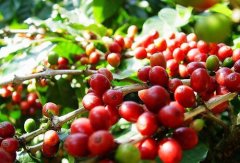
Costa Rica SHB Honey Process Coffee: Fire Phoenix Estate
If you’ve ever bought a Costa Rican coffee labeled 'SHB' or 'red honey' and wondered what makes it different—beyond the marketing—you’re not alone. Many specialty roasters offer Costa Rican coffees touting unique processes, high altitudes, and complex flavor notes, but few explain exactly how elevation, rainfall, variety, and post-harvest handling interact to create those tasting notes on your cupping table. Here’s what’s really behind one specific example: the Fire Phoenix Estate coffee from Costa Rica’s Central Valley.
In short: This is a single-origin SHB-grade coffee from the Central Valley region of Costa Rica, grown between 1,300–1,500 meters above sea level, harvested between December and February, processed using red honey, and grown from a mix of Caturra and Catuai varieties. Expect dried fruit, vanilla, and honey flavors with a thick, refined mouthfeel.
What Is SHB Coffee?
SHB stands for Strictly Hard Bean, a classification used in Costa Rica to indicate coffee grown at higher elevations—typically above 1,350 meters. At these heights, cooler temperatures slow cherry maturation, leading to denser beans that often roast more evenly and develop more complex flavors. This particular coffee comes from the Central Valley region, one of Costa Rica’s eight major coffee-growing areas, and sits between 1,300–1,500 meters in altitude.
The Role of Climate and Rainfall
Annual rainfall in the region reaches around 3,000 millimeters, creating a humid environment that supports slow cherry development. The coffee is harvested between December and February, during the dry season, which helps with more consistent picking and processing. These environmental factors—altitude, rainfall patterns, and harvest timing—all play crucial roles in determining both the physical quality of the beans and their potential flavor complexity.
Red Honey Processing: What Makes It Different?
This coffee is processed using the red honey method, a type of honey process unique to Costa Rica. In red honey processing, coffee cherries are depulped to remove the skin and some fruit, but a significant amount of mucilage (fruit pulp) is left intact on the beans. The beans are then dried on patios or raised beds in shaded, ventilated conditions. Red honey typically retains more mucilage than yellow or golden honey, but slightly less than black honey, leading to a balance between sweetness and acidity. The name 'red honey' refers to the color the beans take on during drying due to the retained mucilage.
Varieties: Caturra and Catuai
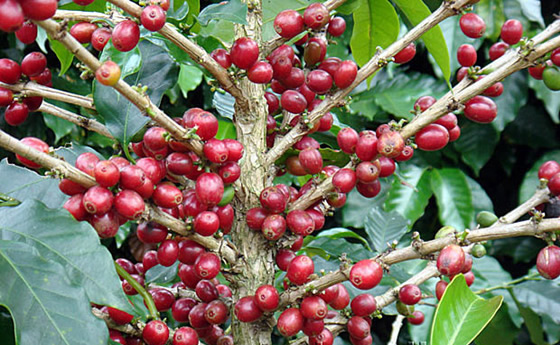
The coffee is grown from a mix of Caturra and Catuai varieties. Both are dwarf Bourbon-descended cultivars favored in Central and South America for their balance of yield, disease resistance, and cup quality. Caturra tends to produce brighter, more acidic profiles, while Catuai adds body and sweetness. Together, they contribute to the winey, dried fruit, and honey notes typical of this coffee.
Producer: Fire Phoenix Estate
The Fire Phoenix Estate is the producer behind this lot. While publicly available information on the estate is limited, its location in the Central Valley and adherence to SHB-grade standards suggest a focus on quality production. The estate delivers 18-mesh screened beans, meaning only beans that pass through a China-standard No. 18 sieve are included—removing broken or overly small beans that can negatively affect roast consistency and extraction.
Flavor Profile & Roast Considerations
Roasters report flavors of dried fruit, vanilla, and honey, with a thick and delicate mouthfeel. On the cupping table, expect a syrupy body, moderate acidity, and a lingering sweet finish. For brewing, a medium roast level often highlights the honey process’s inherent sweetness while preserving the fruity and floral undertones. Ideal brew methods include pour-over, AeroPress, or a light espresso blend to emphasize balance without overpowering the delicate fruitiness.
Frequently Asked Questions
What does SHB mean in Costa Rican coffee?
SHB stands for Strictly Hard Bean, indicating coffee grown at elevations above 1,350 meters. These higher altitudes result in slower cherry maturation, producing denser beans that typically have more complex and nuanced flavors when roasted.
What is red honey coffee processing?
Red honey is a Costa Rican honey process where coffee cherries are depulped, but a significant amount of mucilage is left on the beans during drying. The beans are sheltered from direct sun and dried slowly, resulting in a balance of sweetness and acidity. The name refers to the reddish color the beans take from the retained mucilage.
Where is the Central Valley coffee region in Costa Rica?
The Central Valley is one of Costa Rica’s primary coffee-growing regions. It features fertile volcanic soils, high altitudes between 1,300–1,500 meters, and a climate suited for growing dense, high-quality beans. It's distinct from other regions like Tarrazú, known for even higher elevations.
Which coffee varieties are in this Fire Phoenix Estate lot?
This lot is grown from a mix of Caturra and Catuai. Caturra contributes brightness and acidity, while Catuai adds body and sweetness. Both are widely planted in Costa Rica for their balanced cup profiles and suitability to high-altitude growing.
How does rainfall affect coffee flavor in Costa Rica?
High annual rainfall—in this region, around 3,000 mm—contributes to slower cherry development and can enhance sweetness and complexity. However, it also requires careful harvesting and processing to avoid overripe or damaged fruit.
What's the ideal grind size for brewing this coffee?
For pour-over or drip, a medium-fine grind around 18–20 on a Baratza Encore (or equivalent) works well. For French press or immersion, use a coarse grind. Adjust based on brew time and extraction balance.
Recommended FrontStreet Beans for Honey Process Fans
Try FrontStreet Coffee’s Costa Rica Black Berry, a classic SHB coffee processed with black honey—a style that preserves nearly all the fruit’s mucilage for intense sweetness and berry-like depth. Also consider their Costa Rica Mozart, made with grape-dried raisin-like coffee using 100% retained mucilage, offering bold raisin, rose, and fermented notes. Both beans highlight Costa Rica’s signature honey-processing finesse. Freshly roasted within 5 days · Orders placed before 17:00 ship the same day · Next-day delivery across most of Guangdong Province.
FrontStreet Coffee is a long-established specialty coffee roaster in Guangzhou China, selling freshly roasted beans from its own farm in Yunnan as well as dozens of carefully selected single-origin beans from around the world for both pour-over and espresso. The products deliver consistently excellent quality and great value, with shipping within 24 hours. Guangzhou's FrontStreet Coffee shop is recommended by many coffee lovers, and the beans are now available online at the Tmall 。
Important Notice :
前街咖啡 FrontStreet Coffee has moved to new addredd:
FrontStreet Coffee Address: 315,Donghua East Road,GuangZhou
Tel:020 38364473