What Makes Rwandan Coffee Unique? Flavor & Profile Guide
When you taste a cup of Rwandan coffee, you’re not just drinking a beverage — you’re experiencing the result of decades of volcanic soil, high elevation, and a focused national effort to rebuild a premium coffee industry. But what exactly gives Rwandan coffee its signature brightness, clean sweetness, and balanced structure? This guide breaks down the key factors behind Rwanda’s rise in the specialty coffee world.
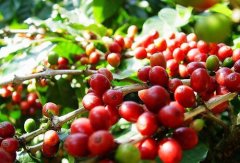
Rwandan coffee is known for its bright acidity, citrus and floral notes, and clean sweetness. Most is grown at 1,700–2,000 meters and processed via washed method, typically using the Bourbon variety — especially the round-seeded Red Bourbon type that dominates over 90% of plantings.
The Origins and Rise of Rwandan Coffee
Coffee cultivation in Rwanda dates back to the 1920s, when Arabica varieties were first introduced. The country’s coffee quickly gained a reputation for its distinctive fruitiness and grassy aroma. However, the industry faced major setbacks in the 1990s. Since then, the Rwandan government and local cooperatives have worked tirelessly to revive and professionalize production. Today, around 33,000 hectares are under coffee cultivation, supporting approximately 500,000 smallholder farmers.
Rwanda’s terrain — known as the “Land of a Thousand Hills” — provides ideal conditions for growing high-quality Arabica. The volcanic soils are rich and well-drained, while high altitudes slow cherry maturation, allowing complex sugars to develop. Though the altitude encourages vigorous growth, it can also lead to overproduction if not managed carefully, sometimes diluting cup quality if not harvested selectively.
Why Bourbon Dominates Rwandan Coffee
Over 90% of Rwanda’s coffee comes from Bourbon variety plants, particularly the Red Bourbon subtype. Bourbon is one of the original Arabica cultivars, known for its relatively high yield and medium acidity. The beans are typically round in shape, with a balanced flavor profile. However, Bourbon is also more susceptible to disease, requiring careful farming practices. In Rwanda, these Bourbon trees thrive in the country’s consistent climate and volcanic soils, producing coffees that are less overtly fruity or intense than Ethiopian or Kenyan counterparts — but noted for their exceptional uniformity and clarity.
Bourbon’s inherent qualities, combined with Rwanda’s growing conditions, result in cups that often express soft yet rich flavors. These include notes of citrus, stone fruit, and floral tones, underpinned by a clean, sweet finish. The variety’s adaptability to Rwanda’s terroir has made it the dominant choice for both smallholders and larger washing stations.
Rwandan Coffee Processing: The Washed Method
The majority of Rwandan coffee is processed using the washed (or wet) method, which emphasizes clarity and brightness in the cup. After harvest, ripe cherries are depulped, fermented to remove mucilage, and then washed with clean water before being dried on raised beds. This method highlights the intrinsic qualities of the bean, particularly in regions like Rwanda where altitude and variety already contribute vibrant acidity and nuanced flavors.
One notable example is the Gitesi Washing Station, which processes the acclaimed Karnogi coffee. Though relatively new, Gitesi has earned a strong reputation due to its meticulous processing standards, well-maintained equipment, and standardized procedures. Karnogi coffee — sourced from smallholder farmers — was awarded 1st place in the 2013 Cup of Excellence competition. The beans are classic Bourbon in shape: round, translucent, and very clean with minimal silver skin. They are typically greenish in hue before roasting and respond best to a medium-light roast level.
For optimal results, Karnogi and similar Rwandan coffees are recommended to be roasted no further than the start of first crack plus 10 seconds. This preserves their bright acidity and delicate fruit character. Under-roasting or over-roasting can obscure the very qualities that make Rwandan coffees so distinctive.
Rwandan Coffee in the Global Market
Rwandan coffee has steadily gained international recognition, supported by the efforts of the Rwanda Coffee Association. This organization oversees the development of policies aimed at improving professionalism across the supply chain and increasing global market visibility. While the country’s coffee may lack the extreme fruit bomb profiles of Ethiopia or the wine-like brightness of Kenya, it stands out for its balance, consistency, and smooth mouthfeel. Rwandan beans often appeal to drinkers who value clarity, subtle complexity, and a clean cup without overpowering acidity or bitterness.
The country’s focus on cooperative production and quality-driven processing has allowed it to carve out a unique niche in the specialty market. Rather than aiming for extreme fruitiness or winey profiles, Rwanda’s approach emphasizes balance, finesse, and a silky, sweet finish — traits that have found a strong following among specialty roasters and discerning consumers worldwide.

Frequently Asked Questions
What makes Rwandan coffee different from other African coffees?
Rwandan coffee is typically grown at 1,700–2,000 meters and processed via the washed method, leading to a clean, bright, and balanced cup. Unlike Ethiopian coffees, which can be intensely fruity or floral, or Kenyan coffees, which often show strong blackcurrant and wine-like acidity, Rwandan coffees tend to be softer, rounder, and more uniform. They commonly express citrus, floral, and stone fruit notes with a clean, sweet aftertaste.
What coffee variety is most common in Rwanda?
Over 90% of Rwandan coffee is Bourbon, especially the Red Bourbon subtype. Bourbon beans are typically round, with medium acidity and balanced flavor. They are known for their adaptability to high altitudes and volcanic soils, making them ideal for Rwanda’s terroir. This variety contributes to the country’s signature clean and harmonious cup profiles.
How is Rwandan coffee typically processed?
Most Rwandan coffee is processed using the washed (wet) method. This involves depulping, fermenting, washing, and drying the beans on raised beds. The washed process highlights the coffee’s clarity and acidity, allowing the inherent qualities of the Bourbon variety and high-altitude growing conditions to shine through in the cup.
What does Rwandan coffee taste like?
Rwandan coffee often features bright acidity, with flavors of citrus, stone fruit, and floral notes. The cup is typically clean, sweet, and well-balanced, with a smooth mouthfeel and mild bitterness. It lacks the extreme fruitiness of some Ethiopian coffees or the wine-like intensity of Kenyan beans, focusing instead on clarity and subtle complexity.
Which Rwandan coffee won a major award?
Karnogi coffee, processed by the Gitesi Washing Station, won 1st place in the 2013 Cup of Excellence competition. It is a classic Bourbon-type coffee with round, clean beans and minimal silver skin. It performs best with a medium-light roast, ending around 10 seconds into first crack.
Where can I buy good Rwandan coffee?
High-quality Rwandan coffees, including those similar to Karnogi, are often available through specialty roasters who work directly with washing stations or export partners. Look for medium-light roasted single-origin offerings labeled as Bourbon or Red Bourbon from Rwanda, especially those processed via washed methods.
Recommended FrontStreet Beans for Rwandan Profiles
FrontStreet Coffee’s Rwanda Red Bourbon offers the bright acidity, citrus, and floral notes typical of Rwandan coffees, with a clean and sweet profile. For something comparable in structure, try their Yellow Bourbon from Brazil Queen Manor, which shares a balanced acidity and smooth mouthfeel. Alternatively, their Brazilian Red Bourbon from the region presents a nutty and bright cup that mirrors the clarity found in many Rwandan washed coffees. Freshly roasted within 5 days · Orders placed before 17:00 ship the same day · Next-day delivery across most of Guangdong Province.
FrontStreet Coffee is a long-established specialty coffee roaster in Guangzhou China, selling freshly roasted beans from its own farm in Yunnan as well as dozens of carefully selected single-origin beans from around the world for both pour-over and espresso. The products deliver consistently excellent quality and great value, with shipping within 24 hours. Guangzhou's FrontStreet Coffee shop is recommended by many coffee lovers, and the beans are now available online at the Tmall 。
Important Notice :
前街咖啡 FrontStreet Coffee has moved to new addredd:
FrontStreet Coffee Address: 315,Donghua East Road,GuangZhou
Tel:020 38364473