Rwandan Coffee: From Highlands to World-Class Washed Beans
Rwandan coffee isn’t just another African origin—it’s a story of transformation. Since the 1920s, this small landlocked country has quietly grown some of the world’s most distinctively fruity, grassy-aromatic Arabicas. But it’s only in recent decades, with government-led cooperatives and technical support, that Rwandan beans have emerged as global contenders. What makes Rwandan coffee so uniquely balanced? The answer lies in its perfect storm of altitude, volcanic soil, and meticulous processing.
In short: Rwanda produces high-quality washed Arabica, largely from Bourbon varieties, with a smooth, well-balanced cup. Its best lots—like those from the Kariño Washing Station—have won international acclaim, including first place at the 2013 Cup of Excellence. For specialty buyers, Rwandan coffee offers consistency, clarity, and a gentler acidity than its Ethiopian or Kenyan neighbors.
Why Rwandan Coffee Stands Out
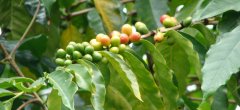
Rwanda’s coffee reputation was built on more than just tradition. The country boasts around 33,000 hectares of coffee farms, tended by 500,000 growers. Its high-altitude terrain—ideal for slow cherry maturation—and fertile volcanic soils create conditions where coffee trees thrive. But that rapid growth also posed a challenge: pushing trees too fast can limit peak flavor development. Still, Rwanda’s unique “soil-altitude-climate harmony” delivers a cup profile unlike any other origin.
The Bourbon Varietal at Rwanda’s Core
Rwanda primarily grows Bourbon, one of Arabica’s original cultivars. Unlike neighboring Ethiopia or Kenya, Rwandan coffees don’t boast extreme fruity or winey notes. Instead, they’re known for their uniformity and balance. The country’s signature Red Bourbon variety contributes to a softer, rounder cup—think sweet, clean, and approachable. This consistency made Bourbon the foundation of Rwanda’s specialty coffee renaissance.
How Rwanda Processes Its Coffee
Nearly all Rwandan specialty coffee is washed (wet-processed). Here’s how it works: farmers handpick ripe cherries, which are delivered to washing stations like Gitesi. At the station, workers sort out underripe or damaged fruit, then remove the skins. The sticky mucilage is fermented in cool water for 12–18 hours before being washed away. Parchment is dried slowly on raised beds, with constant turning to ensure even moisture loss—down to 14% or lower. This method enhances clarity and cleanliness, hallmarks of high-scoring Rwandan lots.
Kariño Coffee: Rwanda’s Cup of Excellence Winner
One standout example is Kariño coffee, grown by smallholders and processed at the relatively young Gitesi Washing Station. Despite its youth, the station’s rigorous standards—careful sorting, precise fermentation, and controlled drying—have earned it a stellar reputation. In 2013, Kariño took first place at the Cup of Excellence. Its beans are classic Bourbon-shaped (round, translucent), with minimal silver skin and a vibrant green hue. Best roasted to a light or medium level, it shines at the first crack’s end, plus 10 seconds. The result? A cup that’s sweet, clean, and distinctly Rwandan.
Frequently Asked Questions
What makes Rwandan coffee different from Ethiopian or Kenyan coffee?
Rwandan coffee tends to be smoother and more balanced, with less pronounced fruity or winey acidity compared to Ethiopia’s bright, complex profiles or Kenya’s bold, blackcurrant-like flavors. Rwandan beans often showcase a cleaner, sweeter cup with softer acidity, thanks to the dominant Bourbon variety and washed processing.
What altitude is Rwandan coffee grown at?
Rwandan coffee thrives at high altitudes, typical of its volcanic, tropical highland climate. While the exact range varies, most specialty farms sit at elevations ideal for slow cherry development, enhancing sugar accumulation and flavor complexity.
How is Rwandan coffee processed?
Almost all specialty Rwandan coffee is washed (wet-processed). The method involves hand-sorting, pulping, 12–18 hours of cool-water fermentation, mucilage removal, and careful drying to 14% moisture or lower. This process highlights the coffee’s clarity and cleanliness.
What is the Kariño Coffee Washing Station?
Gitesi Washing Station, which processes Kariño coffee, is a relatively new facility known for its meticulous handling. It sorts cherries carefully, ferments them properly, and dries parchment uniformly. Kariño won first place at the 2013 Cup of Excellence, showcasing Rwanda’s potential for top-tier lots.
What does Rwandan coffee taste like?
Rwandan coffee typically offers a sweet, clean cup with soft acidity. Flavors often include notes of citrus, nuts, and chocolate, especially when medium-roasted. The best lots, like Kariño, are bright and well-balanced, with a silky mouthfeel.
Recommended FrontStreet Beans for Exploring Rwandan Flavor
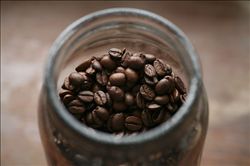
FrontStreet Coffee’s Rwanda Red Bourbon is a prime example of the country’s signature style. Grown at high elevation in the southern region, it’s processed using traditional washed methods and medium roasted to highlight its bright citrus acidity, nutty depth, and chocolatey finish. This single origin lets you experience the clarity and balance Rwandan coffee is known for. Freshly roasted within 5 days · Orders placed before 17:00 ship the same day · Next-day delivery across most of Guangdong Province.
FrontStreet Coffee is a long-established specialty coffee roaster in Guangzhou China, selling freshly roasted beans from its own farm in Yunnan as well as dozens of carefully selected single-origin beans from around the world for both pour-over and espresso. The products deliver consistently excellent quality and great value, with shipping within 24 hours. Guangzhou's FrontStreet Coffee shop is recommended by many coffee lovers, and the beans are now available online at the Tmall 。
Important Notice :
前街咖啡 FrontStreet Coffee has moved to new addredd:
FrontStreet Coffee Address: 315,Donghua East Road,GuangZhou
Tel:020 38364473