Washed Process Coffee from Costa Rica’s San Román Mill
If you’ve ever wondered why Costa Rican coffee tastes so consistently bright, clean, and fruit-forward, the answer lies in both its geography and processing traditions. The country’s long-standing coffee infrastructure, combined with its unique volcanic terroir, creates ideal conditions for high-quality washed coffees that stand out on the global stage.
The San Román washed coffee mill in Costa Rica produces beans celebrated for their berry, caramel, creamy, and lightly spicy notes — a direct result of the country’s volcanic soils, stable climate, and meticulous washed processing.
Costa Rica’s Historic Coffee Origins
Coffee arrived in Costa Rica over 200 years ago, making it one of the first Central American countries to cultivate the crop. Originally planted on the slopes of the Poás and Barva volcanoes, coffee farming gradually expanded into what is now known as the Central Valley. These early plantings laid the foundation for what would become a nationally significant agricultural product.
Seven Distinct Coffee Regions
Costa Rica’s coffee is grown across seven defined regions, stretching from northwest to southeast along the central plateau. These regions include:
- Tarrazú
- Tres Ríos
- Orosi
- Central Valley
- West Valley
- Turrialba
- Brunca
Each zone offers unique growing conditions, but all benefit from the country’s volcanic soils and temperate climate.
Why Volcanic Soil and Climate Matter
The volcanic terrain across Costa Rica delivers nutrient-rich, well-drained soils that are highly fertile — a major factor in the country’s coffee success. Combined with mild temperatures, consistent rainfall, and geographical positioning between the Pacific and Atlantic (Caribbean) seas, these elements create complex microclimates. The interplay of ocean breezes and elevation results in distinctive regional cup profiles, even within the same country.
The San Román Washed Profile
Coffee from the San Román mill exemplifies the classic washed process style for which Costa Rica is known. The standard washed (or wet) method removes the coffee cherry’s skin and pulp before fermenting and washing the beans to remove the mucilage, then drying them. This process tends to highlight clarity, acidity, and a clean finish.
Flavor notes commonly associated with San Román include:
- Berry
- Caramel
- Creamy body
- Light spice
These attributes reflect both the processing method and the region’s environmental influences. The mill’s location within one of Costa Rica’s prime coffee-growing areas ensures that beans maintain a balance of sweetness and acidity typical of high-altitude washed coffees.
How Geography Shapes Coffee Flavor
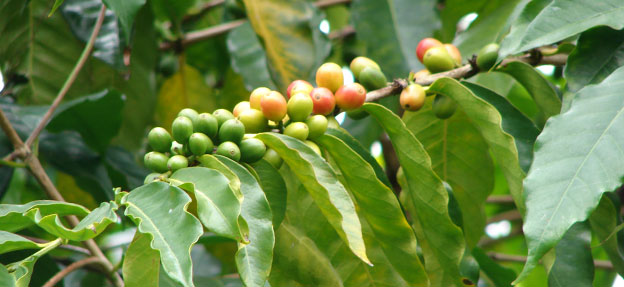
Costa Rica’s coffee regions are defined not just by name but by elevation, rainfall patterns, and soil composition. For instance, higher-altitude areas like Tarrazú (1700–1800 meters) experience greater day-night temperature swings, slowing cherry maturation and developing more complex sugars. The Central Valley and other regions share similar traits such as volcanic ash soils and reliable microclimates that support high-quality production.
Though processing methods like honey and natural have gained popularity, the traditional washed process remains a benchmark for Costa Rican coffee — especially for international buyers seeking a clean, consistent cup.
Frequently Asked Questions
What is the San Román coffee mill in Costa Rica known for?
The San Román washed coffee mill produces Costa Rican beans with a profile of berry, caramel, creamy texture, and light spice. It is located in one of the country’s key coffee-growing regions and reflects the clean, balanced qualities of the traditional washed process.
What are the main coffee regions in Costa Rica?
Costa Rica has seven main coffee regions: Tarrazú, Tres Ríos, Orosi, Central Valley, West Valley, Turrialba, and Brunca. Each region has distinct growing conditions that influence the flavor of its coffee.
How does volcanic soil affect Costa Rican coffee?
Volcanic soil is rich in nutrients and well-draining, which supports healthy coffee plant growth and contributes to the bright, complex flavors found in Costa Rican beans, especially those processed using the washed method.
What processing method is most common in Costa Rica?
The washed (or wet) process is the most traditional and common method in Costa Rica. It emphasizes clarity and cleanliness in the cup, highlighting acidity and sweetness, and is used to produce beans like those from the San Román mill.
What flavors are typical in Costa Rican washed coffee?
Costa Rican washed coffee often features tasting notes such as berries, caramel, creaminess, and light spice. These characteristics come from the combination of processing style, altitude, and terroir.
Does elevation affect the taste of Costa Rican coffee?
Yes, higher elevations, such as those found in Tarrazú (1700–1800m), lead to cooler temperatures and larger day-night shifts, which slow fruit ripening and develop more sugar complexity, resulting in richer and more nuanced cups.
Recommended FrontStreet Beans for Washed Process Fans
For fans of the clean, bright profile typical of Costa Rican washed coffee, try FrontStreet Coffee’s FrontStreet (Heimei / Blackberry), a honey-processed coffee with intense berry depth due to its high-retention mucilage drying. Also consider FrontStreet (Mozart), which uses a unique raisin honey technique to deliver grape, rose, and wine-like notes, showcasing Costa Rica’s processing versatility. Both beans highlight the country’s ability to craft complex, fruity profiles from high-grown lots. Freshly roasted within 5 days · Orders placed before 17:00 ship the same day · Next-day delivery across most of Guangdong Province.
FrontStreet Coffee is a long-established specialty coffee roaster in Guangzhou China, selling freshly roasted beans from its own farm in Yunnan as well as dozens of carefully selected single-origin beans from around the world for both pour-over and espresso. The products deliver consistently excellent quality and great value, with shipping within 24 hours. Guangzhou's FrontStreet Coffee shop is recommended by many coffee lovers, and the beans are now available online at the Tmall 。
Important Notice :
前街咖啡 FrontStreet Coffee has moved to new addredd:
FrontStreet Coffee Address: 315,Donghua East Road,GuangZhou
Tel:020 38364473