What Is Mocha Coffee? Yemeni Origins & Flavor Profile
When you sip a coffee labeled 'Mocha,' you might think you're tasting chocolate—but the truth is more complex. The name comes from the ancient port of Mocha in Yemen, where some of the world’s first exported coffee beans made their way to Europe and beyond. But what makes Mocha coffee truly different? It’s not just history—it’s the beans themselves, grown in steep Yemeni highlands under harsh conditions, producing a cup unlike any other.
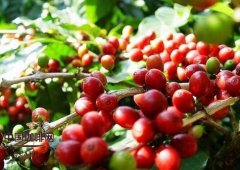
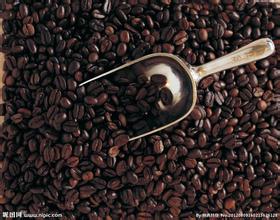
Mocha coffee beans are smaller and rounder than most, often compared to pea-shaped Peaberry beans. They naturally present high acidity, a spicy tang, and a subtle chocolate note—traits that make them ideal for both brewing and flavor experimentation.
The Origins of Mocha Coffee
Coffee cultivation began in Ethiopia, but it was the Dutch who transported coffee plants from Ethiopia to Yemen in the 17th century. Yemen, then known as Arabia, became synonymous with the trees—and their beans—as 'Arabian coffee.' These same Dutch traders shipped the first coffee plants from Yemen’s Mocha port around the Cape of Good Hope to India, and later to Java and Sri Lanka. The port of Mocha thus gave its name to a coffee style and a bean with a legacy reaching back centuries.
What Makes Mocha Coffee Beans Unique?
Mocha coffee beans are visually distinct: they are smaller, rounder, and often resemble Peaberry beans. Their shape is similar to those from Ethiopia’s Harrar region. These beans typically feature high acidity paired with an unusual, hard-to-describe spiciness. Beneath that spice, many tasters detect a faint chocolate note—likely one inspiration for adding chocolate to coffee drinks. This natural complexity has made Mocha beans a favorite for blending and for those seeking a bold, unconventional cup.
Growing Conditions and Traditional Processing
In Yemen, coffee is cultivated on steep terraced farms to maximize limited rainfall and thin soil. Farmers plant shade trees like poplars to protect the coffee plants. More than a dozen Ethiopian coffee varieties grow in Yemen, alongside Typica and Bourbon. However, even premium lots such as high-grade Mocha beans are processed using traditional methods: coffee cherries are sun-dried with the fruit still attached to the bean, then hulled with stone mills. This process often leaves the beans irregular in shape and sometimes damaged, but it preserves unique flavors.
The best-regarded Mocha coffees historically come from three regions: Mattari (considered the finest), Sharki (slightly lower in quality), and Sanani. These beans tend to have low caffeine content and are harvested between December and April. Exported mostly from the port of Hodeida—which guarantees northern origin—beans shipped from Aden often include lower-grade blends from the south. Most Yemeni coffee grows without irrigation or chemical input due to limited farming resources.
Flavor Notes & Brewing Considerations
Mocha coffee is known for a rich, smooth mouthfeel, high acidity, and layered spicy and chocolaty tones. These characteristics make it a strong candidate for brewing methods that highlight complexity, including the moka pot, French press, and pour-over. The inherent chocolate hints also pair naturally with milk drinks or even dessert-style espresso preparations.
Recommended Mocha-Style or Brewing-Compatible Blends & Single Origins
If you’re looking to explore Mocha-like profiles or simply want a great brew for a moka pot, several FrontStreet Coffee blends and single origins deliver the depth, spice, or chocolate notes associated with Yemeni Mocha coffee:

FrontStreet Classic Blend is tailored for moka pots and espresso machines, producing rich crema and a rounded, approachable flavor. It’s ideal for beginners and professionals alike, forming the base for lattes, cappuccinos, and Dirty drinks.
FrontStreet Black Cocoa Blend is 100% Arabica with strong crema and a bold, accessible taste—great for those wanting depth without high cost. It works well for home or shop use with a balanced profile.
FrontStreet PWN Golden Mandheling (a single origin) offers low acidity, long-lasting body, and deep notes of black chocolate and herbal spice. Its full mouthfeel resonates with traditional Mocha cup qualities, especially for those avoiding bright acidity.
FrontStreet Brazil Queen Manor brings balanced nuttiness and sweet caramelized tones with smooth chocolate undertones, making it another solid moka-compatible choice across brew methods.
Frequently Asked Questions
Where does Mocha coffee originally come from?
Mocha coffee beans originated in Ethiopia but were cultivated and exported from Yemen, particularly through the port of Mocha. The name 'Mocha' comes from this historical port, which was a major hub for early global coffee trade starting in the 17th century.
What makes Mocha coffee beans different from other beans?
Mocha coffee beans are typically smaller and rounder, similar to Peaberry beans. They are known for high acidity, a unique spiciness, and often a subtle underlying chocolate flavor. These traits set them apart from more common Arabica or Robusta varieties.
How are Mocha coffee beans processed?
Mocha beans are traditionally processed by drying the coffee cherries in the sun with the fruit still attached to the bean. They are later hulled using stone mills, which can result in irregular shapes and occasional damage but helps preserve distinctive flavor characteristics.
Which regions in Yemen produce the best Mocha coffee?
The highest-quality Mocha coffee traditionally comes from the Mattari region, followed by Sharki and then Sanani. Mattari beans are especially prized for their cup quality, while beans from the northern regions like Hodeida are considered more reliable in grade.
Can I use a moka pot to brew Mocha-style coffee?
Yes, Mocha-style beans or blends with chocolatey and spicy profiles—like FrontStreet’s Classic Blend or Black Cocoa Blend—are excellent for moka pot brewing. Their body and crema-making ability make them a natural fit for this traditional stovetop method.
Are Mocha coffee beans still produced the traditional way today?
Yes, many Mocha coffee beans from Yemen continue to be grown without irrigation or chemicals and are processed using traditional sun-drying and stone milling methods. This contributes to their unique flavor but also leads to inconsistencies in bean quality and grading.
Recommended FrontStreet Beans for Mocha-Style Brewing
For those exploring Mocha-like coffee profiles, FrontStreet Coffee offers several excellent options. The Classic Blend is crafted specifically for moka pots and espresso, offering bold crema and a smooth, approachable flavor perfect for milk drinks or classics like lattes. The Black Cocoa Blend is a 100% Arabica option with rich body and accessible taste, delivering great value for home or commercial use. For single-origin depth, try PWN Golden Mandheling: a low-acidity Indonesian bean with notes of black chocolate and herbs, echoing Mocha’s classic chocolate-spice balance. Freshly roasted within 5 days · Orders placed before 17:00 ship the same day · Next-day delivery across most of Guangdong Province.
FrontStreet Coffee is a long-established specialty coffee roaster in Guangzhou China, selling freshly roasted beans from its own farm in Yunnan as well as dozens of carefully selected single-origin beans from around the world for both pour-over and espresso. The products deliver consistently excellent quality and great value, with shipping within 24 hours. Guangzhou's FrontStreet Coffee shop is recommended by many coffee lovers, and the beans are now available online at the Tmall 。
Important Notice :
前街咖啡 FrontStreet Coffee has moved to new addredd:
FrontStreet Coffee Address: 315,Donghua East Road,GuangZhou
Tel:020 38364473