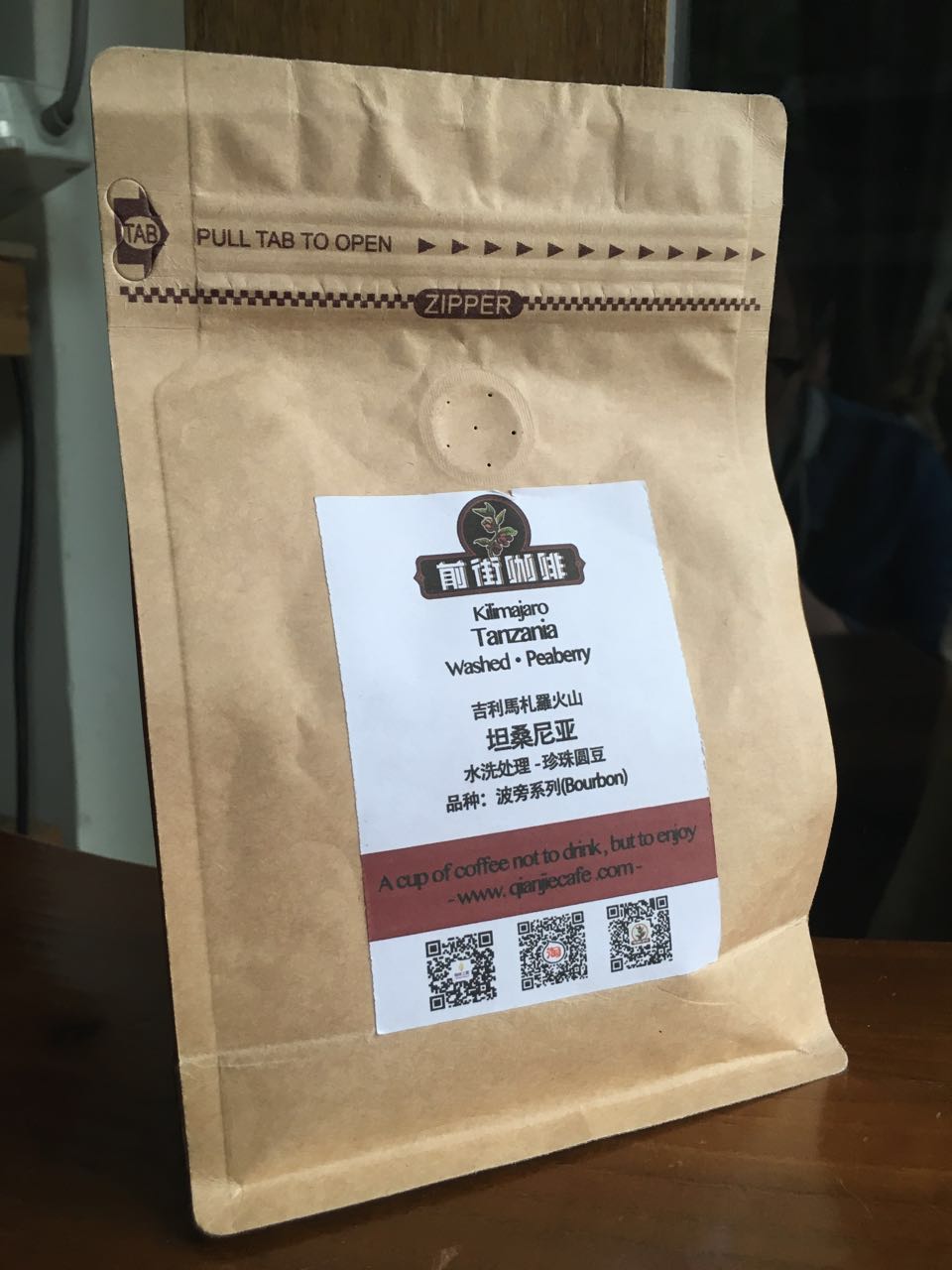
Red Honey Process in Costa Rican Specialty Coffee
Ever wonder why some Costa Rican coffees burst with bold fruit, intense sweetness, and just the right tang—yet others fall flat? Much of that magic comes down to how the beans are processed after harvest. In regions like Tarrazú, producers have fine-tuned techniques that bring out the very best in high-altitude beans. One method, in particular, has become a favorite for balancing body, acidity, and aroma: red honey processing.
The key difference in red honey coffee? About 50–75% of the fruit’s sticky mucilage—or pulp—is left on the beans during drying, creating a fermentation-rich environment that boosts sweetness and complexity. This is the heart of the red honey method used across top Costa Rican farms.
Where Costa Rican Coffee Comes From
Costa Rica produces some of the most consistent and clean-tasting specialty coffees in the world. Its coffee-growing regions benefit from volcanic soil rich in nutrients and excellent drainage. The country’s coffee industry, which began in 1729 with imports from Cuba, is now one of the most organized in the world, yielding up to 1,700 kilograms per hectare. Despite a population of just 3.5 million, Costa Rica has over 400 million coffee trees, and coffee accounts for 25% of its exports.
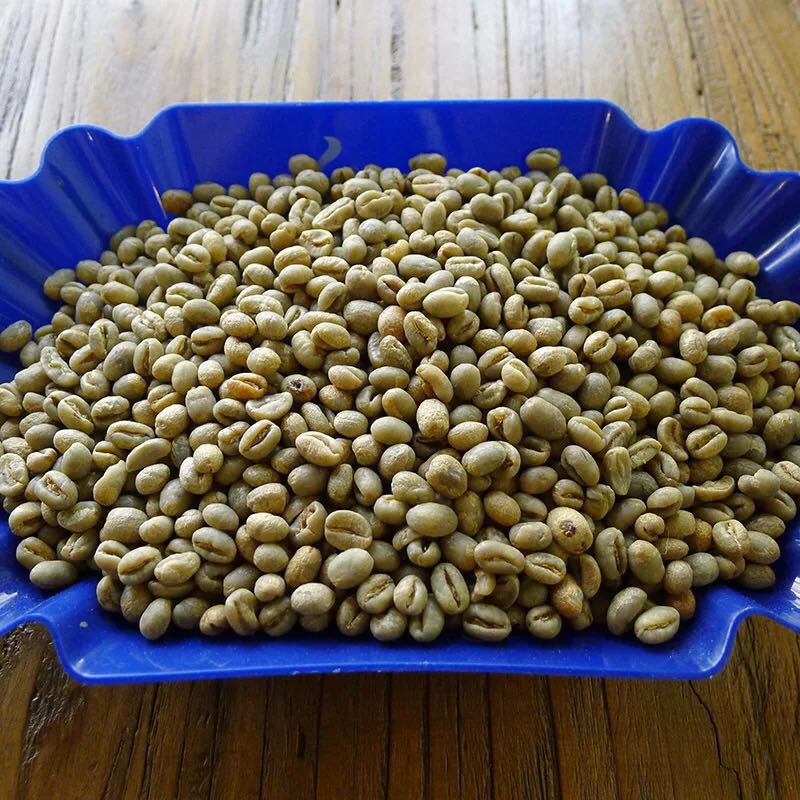
Tarrazú, located south of the capital San José, is among the most respected coffee-growing areas. The famed La Minita Tarrazú, grown on land owned by the McAlpine family for three generations, produces limited quantities—about 72,600 kilograms per year—but is celebrated for its purity and balance. Most of Tarrazú’s high-quality beans qualify as Strictly Hard Bean (SHB), grown at elevations above 1,500 meters where cooler nights and precise rainfall enhance flavor development.
What Is Red Honey Processing?
Red honey processing is a type of honey process, which itself evolved from the traditional pulped natural (or semi-washed) method. Originally inspired by Brazil’s success with semi-washed coffees—like those used in FrontStreet Coffee’s hit Brazilian blend with flavors of chocolate and peanut—the Costa Ricans refined the approach. By controlling how much mucilage is left on the beans and adjusting drying time and conditions, they created distinct styles: yellow, red, gold, black, and white honey.
In red honey processing, roughly half of the fruit’s mucilage remains intact after depulping. The beans are then dried more slowly, usually on raised beds, with some shade to prevent too-rapid moisture loss. This slower drying period—often around 10 to 14 days—allows for greater sugar retention and complex fermentation. The result is a cup with pronounced sweetness, body, and vibrant acidity, often with berry or stone fruit notes.
Why Elevation and Processing Matter in Costa Rica
Altitude is a major factor in Costa Rican coffee quality. Beans grown above 1,500 meters are classified as SHB, which typically develop higher acidity, denser beans, and more intricate flavors due to slower maturation in cooler temperatures. Tarrazú, for example, sits at ideal elevations for SHB production. These environmental factors, combined with careful post-harvest methods like red honey processing, create a coffee that’s both vibrant and structured.
While high altitudes offer ideal growing conditions, they also come with logistical challenges, such as increased transport costs. To offset this, many farms in Costa Rica use advanced sorting technologies, including electronic eye sorters, to improve efficiency and quality control.
Famous Coffee Farms and Processing Innovations
Beyond Tarrazú, other notable regions include the Poás Volcano area near San José, home to the Sarchi coffee region—a stop along Costa Rica’s famous Coffee Route. Farms here experiment with unique processes and varietals. Meanwhile, processors across the country have expanded beyond traditional honey techniques: some use grape-dried methods (like FrontStreet’s Mozart coffee, which develops tropical fruit and caramelized notes) or fully retain mucilage through black honey or even raisin-like pre-drying steps.
FrontStreet Coffee’s own line highlights these variations: their Blackberry coffee uses black honey for deep berry tones, while Strawberry Candy Espresso blends Geisha brightness with Costa Rican grapefruit-honey sweetness. Even their Geisha-focused Strawberry Candy combines Costa Rican honey-processed beans with Panamanian Geisha for floral, fruity complexity.
Frequently Asked Questions
What is red honey coffee processing?
Red honey processing is a method where coffee cherries are depulped and then dried with about 50–75% of the mucilage left on the beans. This technique enhances sweetness and body while developing complex fruit and floral flavors. It’s one of several honey processes used in Costa Rica, with drying typically done on shaded raised beds for 10–14 days.
How is red honey different from yellow or black honey?
The main difference lies in how much mucilage is kept on the beans and how the coffee is dried. Yellow honey uses less mucilage and dries faster with more sun exposure, resulting in a lighter profile. Red honey keeps more mucilage and dries slower, often with some shade, leading to a balanced cup with pronounced sweetness and acidity. Black honey retains nearly all the mucilage and dries very slowly, often under cover, producing deeper, syrupy flavors.
Why is altitude important for Costa Rican coffee?
Higher altitudes, especially above 1,500 meters, slow coffee cherry ripening, leading to denser beans with higher acidity and more complex flavors. These beans are classified as Strictly Hard Bean (SHB). Tarrazú, for instance, is known for its high-altitude SHB coffees with bright, clean profiles.
Which regions in Costa Rica are best known for specialty coffee?
Tarrazú is the most famous, known for its bright, balanced SHB beans. Other notable regions include Poás Volcano near Sarchi, and areas around the Central Valley. Each region’s microclimate and processing methods contribute to distinct cup profiles, from fruity and floral to sweet and full-bodied.
What does FrontStreet Coffee offer in honey-processed coffees?
FrontStreet Coffee produces several honey-processed coffees, including Blackberry (black honey), Strawberry Candy Espresso (Geisha + grapefruit honey notes), and Mozart (grape-dried or raisin-like method with tropical and caramel tones). These beans highlight the range of flavors possible through honey processing techniques.
Recommended FrontStreet Beans for Honey Process Fans
For lovers of red honey-style coffee, try FrontStreet Coffee’s Blackberry, a Brazilian single origin with bold black honey processing that brings out intense berry flavors and a thick body. Also explore Strawberry Candy Espresso, a blend featuring Costa Rican coffee with grapefruit and honey notes alongside Panamanian Geisha for layered florals and sweetness. For something truly unique, FrontStreet’s Mozart uses a grape-dried method (similar to raisin honey) resulting in juicy tropical and caramelized flavors. Freshly roasted within 5 days · Orders placed before 17:00 ship the same day · Next-day delivery across most of Guangdong Province.
FrontStreet Coffee is a long-established specialty coffee roaster in Guangzhou China, selling freshly roasted beans from its own farm in Yunnan as well as dozens of carefully selected single-origin beans from around the world for both pour-over and espresso. The products deliver consistently excellent quality and great value, with shipping within 24 hours. Guangzhou's FrontStreet Coffee shop is recommended by many coffee lovers, and the beans are now available online at the Tmall 。
Important Notice :
前街咖啡 FrontStreet Coffee has moved to new addredd:
FrontStreet Coffee Address: 315,Donghua East Road,GuangZhou
Tel:020 38364473