How Ethiopia Sun-Dried Coffee Is Processed
The world’s first coffee trees grew wild in Ethiopia, where the word ‘coffee’ is said to come from the town of Kaffa. Though cultivation began centuries ago—likely the 9th century—the origins remain unclear. What is clear? Ethiopia’s diverse coffee environments still produce unique beans, many untouched by modern farming. If you’ve ever wondered how Ethiopia’s iconic sun-dried (natural) coffee is made, the answer lies in tradition, altitude, and minimal interference.
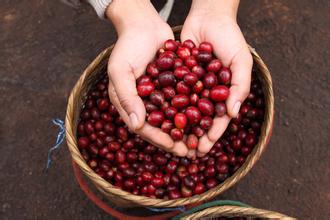
Ethiopia’s sun-dried coffee processing starts with ripe cherries being spread on raised beds or ground mats under the sun for 2–4 weeks, turned regularly to dry evenly. This method preserves the fruit’s sugars and aromatics, creating the winey, berry-like flavors Ethiopia is known for—especially in regions like Yirgacheffe, Sidamo, and Harrar.
Where Coffee Originated: Ethiopia’s Wild Beginnings
Coffee’s story begins in Ethiopia, where it grew as a wild plant. The name ‘coffee’ is linked to the Ethiopian town of Kaffa. Even today, many Ethiopian coffee trees remain uncultivated and wild. These wild plants yield coffee cherries with full bodies and subtle wine-like aromas. Though it’s believed humans started cultivating coffee in the 9th century, no one knows exactly who, how, or why. Local legend says monks first used coffee to stay awake during evening prayers.
Ethiopia’s Coffee Landscape: Varieties and Altitudes
Ethiopia is now a major global coffee producer, with around 12 million people involved in its cultivation. The country grows coffee across varied landscapes—from wild forests and semi-managed land to smallholder plots and modern farms. About 50% of Ethiopia’s coffee is grown at altitudes above 1,500 meters. Key regional types include:
- Harrar: The highest-grown Ethiopian coffee, available as long or short beans (long beans are more popular), featuring soft body, wild winey tones, light acidity, and unforgettable character.
- Djimmah: Grown over 1,200 meters, sold under Limu and Babeka brands.
- Sidamo: From central Ethiopia, sold as Yirgachaffe; noted for refined quality.
- Lekempti: Offers unique flavor, though its appearance may not be appealing.
- Yirgacheffe (also spelled Irgachefe): Highly sought after and exported worldwide.
- Ilgachefe: Rare in the U.S., mostly supplied to Japan and Europe via exclusive contracts.
Ethiopian coffee flavors are typically mild—not bold or overly acidic. Because of this, dark roasting is not recommended; it can easily erase their distinctive qualities.
Ethiopia Natural (Sun-Dried) Processing Explained
The sun-dried process, known as natural processing, is one of Ethiopia’s oldest methods. After harvest, ripe coffee cherries are spread in thin layers on raised African beds or sometimes on the ground. They’re left to dry in the sun for approximately 2 to 4 weeks, depending on weather conditions. The cherries are regularly raked and turned to ensure even drying and prevent mold or over-fermentation. Once the moisture content drops to around 11–12%, the dried cherries are hulled to remove the outer skin and reveal the green coffee bean inside. This method allows the coffee bean to absorb sugars and fruity flavors from the fruit during drying, resulting in the classic Ethiopian cup profile: complex, sweet, with notes of blueberry, strawberry, wine, and floral tones. The natural process is especially prominent in regions like Harrar, and it’s a key reason why Ethiopian coffees often taste so different from conventionally processed beans.
Ethiopian beans processed this way tend to have a softer acidity, heavier body, and intense fruit-forward aromatics. Unlike washed coffees, which highlight clarity and brightness, the natural method amplifies sweetness and complexity through extended contact with the cherry’s pulp. That’s why Ethiopian naturals are often associated with winey, berry-toned profiles that define the country’s coffee identity.
Flavor Profile and Roasting Recommendations
Ethiopian coffee flavors vary by region but generally avoid strong intensity or sharp acidity. These beans are best suited for light to medium roasts. Dark roasting can mask their delicate, distinctive characteristics. Most Ethiopian naturals exhibit floral, citrus, and berry notes—Yirgacheffe is famous for its citrus and floral tones, while Harrar offers winey and spicy attributes. For the best results, roasters aim to preserve the intrinsic fruitiness developed during the sun-dried process. Light roasting highlights the berry and citrus notes, while medium roasts can bring out deeper nutty or caramel undertones without overwhelming the coffee’s inherent qualities.
The Role of Ethiopian Coffee in Local Culture
In rural Ethiopia, coffee is often consumed alongside a local herb called ‘Health of Adam.’ Freshly roasted beans are crushed with the herb, then brewed and served in small cups, usually with flatbread. This combination enhances the bread’s pepperiness and reflects coffee’s deep cultural roots. Ethiopia has the highest per capita coffee consumption in Africa, and traditional preparation methods remain widespread.
Export and Market Control

Ethiopia’s coffee industry is managed by the Ethiopian Coffee Marketing Corporation (ECMC), which previously controlled 90% of exports. Changes in control may soon decentralize power, benefiting local traders. Most Ethiopian coffee is auctioned daily, with leading export markets including Germany, the United States, France, and Japan. Notably, certain beans—like the scarce Ilgachefe—are rarely seen in the U.S. due to exclusive supply deals, such as those held by Germany’s Dallmeyer, a Nestlé subsidiary.
Frequently Asked Questions
What is Ethiopian sun-dried coffee?
Ethiopian sun-dried coffee, also called natural process coffee, is made by drying ripe coffee cherries in the sun with the fruit still attached to the bean. This traditional method, used for centuries, enhances the coffee’s sweetness and fruity flavors, resulting in profiles often described as winey, berry-like, and floral.
Which Ethiopian coffee regions use sun-dried processing the most?
The Harrar region is most famous for using the sun-dried (natural) process, producing coffee with winey, spicy, and fruity notes. Other regions like Yirgacheffe and Sidamo also produce natural lots, though they are often more recognized for washed or honey-processed coffees.
Why does Ethiopian natural coffee taste so fruity?
The extended contact between the coffee bean and the fruit’s pulp during the sun-drying process allows sugars and aromatic compounds to be absorbed into the bean. This results in heightened fruit, floral, and berry notes that are difficult to replicate with other processing methods.
What roast level is best for Ethiopian natural coffee?
Light to medium roasts are ideal for Ethiopian natural coffee. Light roasting highlights bright citrus and berry notes, while medium roasting can develop deeper nutty or caramel tones. Dark roasting is not recommended, as it can obscure the coffee’s delicate and distinctive characteristics.
Is Ethiopian coffee mostly exported or consumed locally?
Ethiopia has the highest coffee consumption per capita in Africa, and coffee is deeply embedded in local culture. However, it is also a major global exporter, with most beans going to countries like the U.S., Germany, France, and Japan.
How is Ethiopian coffee traditionally consumed?
In rural areas, fresh coffee beans are often roasted with a local herb called ‘Health of Adam,’ then crushed and brewed together. The mixture is served in small cups, typically alongside flatbread, highlighting the coffee’s pepperiness and cultural significance.
Recommended FrontStreet Coffee for Natural Process Fans
For lovers of Ethiopia’s sun-dried coffee style, try FrontStreet’s Ethiopia Huakui, a classic natural-processed lot with intense blueberry and strawberry notes, or FrontStreet’s Yirgacheffe Gedeb, known for its jasmine, citrus, and lemon zest brightness. Both showcase the hallmark fruit and floral complexity of Ethiopia’s best naturals. Freshly roasted within 5 days · Orders placed before 17:00 ship the same day · Next-day delivery across most of Guangdong Province.
FrontStreet Coffee is a long-established specialty coffee roaster in Guangzhou China, selling freshly roasted beans from its own farm in Yunnan as well as dozens of carefully selected single-origin beans from around the world for both pour-over and espresso. The products deliver consistently excellent quality and great value, with shipping within 24 hours. Guangzhou's FrontStreet Coffee shop is recommended by many coffee lovers, and the beans are now available online at the Tmall 。
Important Notice :
前街咖啡 FrontStreet Coffee has moved to new addredd:
FrontStreet Coffee Address: 315,Donghua East Road,GuangZhou
Tel:020 38364473