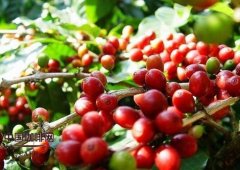
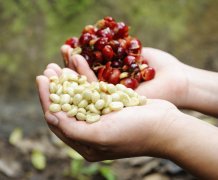
Papua New Guinea Coffee: The Untold Story Behind Specialty Origins
Ever wondered why some rare specialty coffees have bright acidity, fruity sweetness, and a smooth body—yet rarely show up in your local café? One answer lies in Papua New Guinea, a remote island nation where over three-quarters of its coffee comes from tiny, often isolated farms tucked in mountain forests at elevations few crops can handle.
The key fact? Most PNG coffee grows between 1,300 and 1,800 meters above sea level, creating ideal conditions for high-quality Arabica—especially the classic Typica variety introduced from Jamaica’s Blue Mountains. That altitude, combined with organic practices and shaded cultivation, defines its unique cup profile.
How Coffee Took Root in Papua New Guinea
Papua New Guinea’s coffee industry plays a major economic role, directly and indirectly employing over a million people. The government supports farmers with minimum price guarantees and oversees production via the Coffee Industry Board based in Goroka. However, private companies handle all exports. Despite challenging logistics—steep terrain, poor infrastructure, and high transport costs—farmers rely mostly on natural growing conditions rather than chemical inputs.
Coffee flourishes in the country’s highland regions, where volcanic soils, consistent rainfall, and cool temperatures create optimal conditions. While some low-elevation coffee exists, it’s minimal compared to the premium highland output.
The 1990s Crisis and Quality Collapse
In the early 1990s, Papua New Guinea’s coffee faced a serious setback. A government program in the mid-1970s, launched after Brazil’s devastating frost, encouraged rural communities to develop around 20-hectare coffee estates. By 1990, production had hit 1 million 60kg bags—but with unintended consequences. Rapid expansion led to inconsistent harvesting, mixed ripeness, and declining cup quality. Grades once commanding premium prices, especially the Y grade, lost their reputation and market position in Europe.
The national “one grade, one price” policy worsened the issue, lumping varying quality levels together. Poor-quality beans tarnished the image of even the better lots, causing stockpiles and lost demand. Y-grade coffee, once prized, saw its premium evaporate.
Rebuilding Quality: New Standards and Recovery
To tackle the crisis, the government took decisive steps. It eliminated the Y grade temporarily, introduced new grading distinctions, and abandoned the single-price system. This allowed buyers to pay based on actual quality—a move that initially hurt farmers producing low-grade lots but ultimately restored confidence. By 1993, quality had largely recovered, and former buyers returned. Y-grade coffee regained a modest premium, reflecting its improved consistency.
Today, most exported PNG coffee falls into the A or AB grades. AA is rare, but A-grade beans are widely available and noted for their balanced profile: full body, mild acidity, and a lingering, satisfying finish.
Flavor Profile and What Makes PNG Coffee Unique
Papua New Guinea’s coffee is distinct from other Southeast Asian origins. Unlike Indonesian beans, which often show earthy or spicy characteristics, PNG coffee delivers a bright, wine-like acidity with pronounced fruity and nutty notes. That’s largely due to its Typica lineage, high-altitude cultivation, and traditional washed processing—all factors that align it more closely with profiles found in Latin America.
The majority of PNG coffee is processed using the washed (wet) method, which enhances clarity and highlights its inherent fruitiness. Grown in shaded, forest-edge environments without heavy agrochemical use, these beans typically express a clean, sweet cup with hints of spice in the aftertaste.
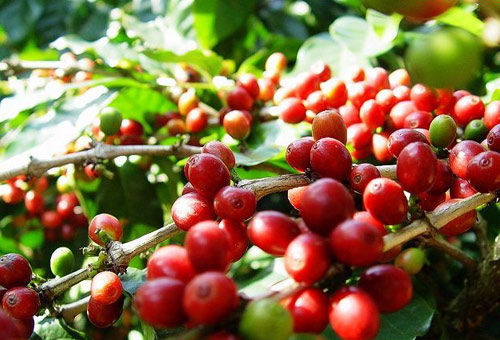
Frequently Asked Questions
Where is Papua New Guinea coffee grown?
Papua New Guinea coffee is grown almost exclusively in the highland regions of the island, at elevations between 1,300 and 1,800 meters. Most farms are small, family-run operations located in remote, forested areas. The rugged terrain and limited infrastructure mean many farms are difficult to access and operate independently of large agribusinesses.
What coffee variety is most common in Papua New Guinea?
The most common coffee variety in Papua New Guinea is Typica, originally brought from Jamaica’s Blue Mountains. This historic Arabica variety thrives in PNG’s high-altitude, cool-climate conditions, contributing to the coffee’s bright acidity and clean cup profile. The island’s environment closely resembles that of the Blue Mountains, allowing Typica to flourish with minimal adaptation.
Why did PNG coffee quality decline in the 1990s?
PNG coffee quality declined in the 1990s due to rapid production expansion following a government initiative in the 1970s. The push to establish large estates led to inconsistent harvesting, mixed ripeness, and a surge in lower-grade beans. The national “one grade, one price” policy further compounded the problem by failing to reward quality, which damaged the reputation of even well-produced lots, especially the former premium Y grade.
How did the industry recover?
The industry recovered after the government eliminated the Y grade, introduced new quality-based grading, and abandoned the single-price policy. These changes allowed buyers to purchase based on actual cup quality. By 1993, quality had improved enough for former buyers to return, and the Y grade regained a modest premium due to better consistency.
What does PNG coffee taste like?
PNG coffee typically offers a bright, wine-like acidity with flavors of fruit and nuts. It has a full body and a smooth, clean finish, often with spicy or sweet undertones in the aftertaste. Most exported lots fall into A or AB grades, with A-grade beans known for their balance, mild acidity, and satisfying, sweet finish.
Recommended FrontStreet Coffee for Exploring PNG Profiles
Try FrontStreet’s (Bird of Paradise), a single-origin PNG from the Sigri Estate in the Western Highlands. It’s processed with meticulous washed methods, then sun-dried on raised beds. The cup delivers a creamy mouthfeel, notes of toast and nuts, and a unique spicy sweetness in the finish—traits typical of high-altitude PNG Typica. It’s medium-roasted to highlight its balance and complexity, making it a great entry point for exploring the region’s distinctive profile. Freshly roasted within 5 days · Orders placed before 17:00 ship the same day · Next-day delivery across most of Guangdong Province.
FrontStreet Coffee is a long-established specialty coffee roaster in Guangzhou China, selling freshly roasted beans from its own farm in Yunnan as well as dozens of carefully selected single-origin beans from around the world for both pour-over and espresso. The products deliver consistently excellent quality and great value, with shipping within 24 hours. Guangzhou's FrontStreet Coffee shop is recommended by many coffee lovers, and the beans are now available online at the Tmall 。
Important Notice :
前街咖啡 FrontStreet Coffee has moved to new addredd:
FrontStreet Coffee Address: 315,Donghua East Road,GuangZhou
Tel:020 38364473