Traditional Wet Hulling: How Indonesian Coffee Is Processed
Ever wonder why your Indonesian coffee—especially from Sumatra—tastes so different? Earthy, spicy, and heavy-bodied, with low acidity and a syrupy mouthfeel, it stands apart from bright African or clean Central American coffees. That distinct profile isn’t just about terroir: it’s shaped by Indonesia’s unique post-harvest tradition.
The answer lies in a processing method called wet hulling (or giling basah), used almost exclusively in Indonesia. This technique removes the parchment layer while the beans are still moist—at around 30–50% moisture—creating a signature flavor profile you won’t find anywhere else.
Indonesia’s Diverse Coffee Origins
Coffee arrived in Indonesia in the mid-17th century, planted by Dutch colonists. By 1712, the first shipments from Java reached Amsterdam. Though coffee leaf rust devastated plantations in 1877, replacing most arabica with robusta, arabica still grows on 6–10% of farms. Today, Indonesia produces 6.8 million 60kg bags annually, mostly from smallholder farms.
Key growing islands include:
- Java: Once the heart of Dutch colonial coffee production. Famous estates like Blawan, Jambit, Kayumas, and Pankur produce refined, low-acid coffees with delicate balance. Java is also where the historical Mocha Java blend originated.
- Sumatra (incl. Mandheling & Ankola): Home to some of Indonesia’s most iconic coffees. Mandheling beans are noted for being exceptionally large. The region favors high-altitude farms (1100–1600m) and is known for its full-bodied, herbal, and woody profiles.
- Sulawesi (Celebes): Coffee from the southern regions of Kalossi and Rantepao offers dense beans and rich aromatics. Sulawesi coffees often show deep, savory complexity.
- Flores & New Guinea: These islands contribute lesser-known but quality-focused origins, often with balanced cup profiles and good structure.
Why Wet Hulling Became Indonesia’s Signature Process
Historically, Indonesian coffee faced a challenge: by the time it arrived in Europe, lengthy sea voyages had naturally aged the beans, mellowing their brightness and softening their edges. European consumers grew accustomed to that “aged” taste. When shipping became faster, drinkers rejected the brighter, fresher-tasting arrivals.
To replicate the aged effect, the Indonesian government began storing coffee for up to a year. But results were inconsistent, and the practice damaged the country’s coffee reputation. That’s when wet hulling stepped in—not to imitate aging, but to create a distinct flavor profile aligned with local and international demand.
How Wet Hulling (Giling Basah) Works
Here’s the step-by-step of Indonesia’s traditional processing method:
- Pulping: Coffee cherries are depulped to remove the skin, leaving the mucilage-covered seeds.
- Fermentation & Drying to 30–50%: Beans are fermented briefly (often just overnight) and then dried in the sun until they reach roughly 30–50% moisture—much higher than the 11–12% target in washed processing. At this stage, the beans are still soft and covered in sticky mucilage.
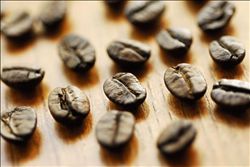
- Wet Hulling (Giling Basah): While still moist, the beans are run through a hulling machine to remove the parchment layer. This is done at 30–50% moisture—unlike standard processing where hulling happens below 12%. The friction flattens the beans significantly, giving them their signature irregular, flat shape and larger than usual size.
- Drying to 11–13%: After hulling, the now pale-green, naked beans are spread out to dry on patios or tarps until they reach 11–13% moisture, suitable for storage and export.
This process is responsible for the earthy, spicy, and sometimes mushroomy or leathery notes typical of Sumatran coffees. The friction during hulling, combined with uneven drying, contributes to the trademark heavy body and low acidity. It also explains why Indonesian beans often have a bluish-green color and a rougher texture compared to beans processed by other methods.
Modern Indonesian Coffee Production
Today, wet hulling remains dominant in regions like Sumatra, particularly in Aceh (home to Mandheling and Ankola coffees) and North Sumatra’s Lake Toba area (notably Lintong). The method is favored by smallholders for being fast and practical in Indonesia’s humid, tropical climate, where fully drying parchment coffee can be slow and unpredictable.
Some cooperatives and exporters have begun experimenting with modified approaches—such as drying to lower moisture before hulling—but the classic wet hulling method is still responsible for Indonesia’s most iconic flavor profiles.
What Makes Indonesian Coffee Unique?
Thanks to wet hulling, Indonesian coffees typically present:

- Low acidity: Smooth on the palate without sharp citrus or fruity highs.
- Heavy body: A thick, syrupy mouthfeel that coats the tongue.
- Earthy & spicy notes: Think wood, tobacco, clove, leather, and herbs.
- Subtle sweetness: Often with hints of dark chocolate or caramel.
- Unique processing fingerprints: Such as bluish-green bean color and flatter, larger beans post-hulling.
These traits make Indonesian coffees especially popular among drinkers who enjoy milk-based drinks or darker roasts, though their unique character shines even in filtered brewing.
Frequently Asked Questions
What is wet hulling (giling basah)?
Wet hulling is a coffee processing method where parchment is removed while the beans are still moist (30–50% moisture), unlike standard washed processing where hulling occurs at 11–12%. It’s responsible for the earthy, heavy-bodied profile of many Indonesian coffees, especially from Sumatra.
Why do Indonesian coffees taste so different?
The distinct earthy, spicy, and low-acid profile comes primarily from the wet hulling process, combined with Indonesia’s humid climate and high-altitude growing regions. The method flattens beans, retains mucilage longer, and creates a heavier mouthfeel and unique fermentation imprint.
Which Indonesian regions use wet hulling the most?
Sumatra (especially Mandheling and Lake Toba/Lintong), Java, and parts of Sulawesi traditionally use wet hulling. It’s especially common among smallholder farms where quick drying and processing are practical necessities.
Does wet hulling affect coffee quality?
It doesn’t necessarily reduce quality—it creates a specific flavor profile valued by many roasters and drinkers worldwide. The method is integral to Indonesia’s identity in the specialty coffee market, offering a cup that’s full-bodied, low-acid, and rich in earthy and spicy notes.
Is wet hulling the same as honey or natural process?
No. Wet hulling is a distinct method where parchment is removed at high moisture before full drying. Honey process leaves mucilage on the beans, and natural process dries the whole cherry. Wet hulling is unique to Indonesia and key to its signature cup.
What’s the difference between Mandheling and other Indonesian coffees?
Mandheling refers to beans traditionally grown in North Sumatra, often processed via wet hulling. They’re known for large bean size and a heavy, herbal, spicy profile. Other regions like Java or Flores may use similar or different processes and offer brighter or more balanced cups.
Recommended FrontStreet Beans for Wet-Hulled Profiles
For a true taste of Indonesia’s signature wet-hulling process, try FrontStreet’s Lintong Mandheling: a classic Sumatran offering with deep herbal tones, dark chocolate, and a heavy, syrupy body. Also consider their iconic PWN Golden Mandheling, known for toasted bread, cedar, and bold caramelized notes, with a lingering sweet finish. Both showcase the earthy complexity and low acidity characteristic of wet-hulled Indonesian coffees. Freshly roasted within 5 days · Orders placed before 17:00 ship the same day · Next-day delivery across most of Guangdong Province.
FrontStreet Coffee is a long-established specialty coffee roaster in Guangzhou China, selling freshly roasted beans from its own farm in Yunnan as well as dozens of carefully selected single-origin beans from around the world for both pour-over and espresso. The products deliver consistently excellent quality and great value, with shipping within 24 hours. Guangzhou's FrontStreet Coffee shop is recommended by many coffee lovers, and the beans are now available online at the Tmall 。
Important Notice :
前街咖啡 FrontStreet Coffee has moved to new addredd:
FrontStreet Coffee Address: 315,Donghua East Road,GuangZhou
Tel:020 38364473