What Makes Australian Specialty Coffee Unique?
If you’ve ever searched for high-quality coffee and wondered why Australia rarely comes up, you’re not alone. Despite producing distinctive, high-grade beans, Australian specialty coffee remains elusive outside its borders. This isn’t due to a lack of quality — quite the opposite. The challenge lies in production constraints, especially those tied to labor costs and climate. So, what does Australian coffee really taste like, and why is it so hard to find?
In short: Australian specialty coffee is known for its smooth, soft profile with a uniquely mild yet present bitterness — and less than a fraction of it is exported, largely because the country’s high labor expenses and intense sunlight make mechanical harvesting impossible, forcing costly manual picking.
What Is Australian Specialty Coffee?
Australian specialty coffee refers to high-scoring, carefully processed coffees grown domestically, typically in small-scale farms across regions like North Queensland and New South Wales. While Australia isn’t among the world’s largest coffee producers, it has developed a reputation for producing exceptionally clean, balanced cups with subtle complexity. These beans often exhibit a soft mouthfeel and a clean acidity, with a flavor profile that sets them apart from more common Latin American or African origins.
Why Does Australian Coffee Taste Different?
The unique taste of Australian coffee comes down to several factors: the country’s terroir, growing altitude, and processing methods. Unlike countries with vast, mechanized plantations, most Australian coffee is grown in cooler, higher-altitude microclimates that slow ripening and develop nuanced flavors. The resulting cup tends to be smooth, low in harsh acidity, and carries a very light, almost tea-like bitterness — an effect some attribute to the specific bean varieties and careful post-harvest handling. This isn’t your typical bold or fruity profile; it’s refined, understated, and clean.
Why Is Australian Coffee So Hard to Find Globally?
One of the biggest reasons Australian specialty coffee rarely leaves the country is the extremely high cost of production. Labor accounts for a large portion of that cost. Due to the intense Australian sun, mechanical coffee harvesters can’t be used effectively — the heat damages the equipment and the risk of underripe picking is too high. As a result, nearly all harvesting is done by hand, which is significantly more expensive and time-consuming. These labor-intensive practices, combined with limited farming scale, restrict the amount of coffee available for export. Most beans are consumed domestically, leaving only a tiny fraction for international markets.
Flavor Profile: What to Expect from Australian Coffee
When you do get the chance to taste Australian specialty coffee, expect a cup that’s smooth and rounded, with a gentle acidity and a distinctive, mild bitterness. It’s not overly sweet or fruity like some East African coffees, nor is it heavy and chocolatey like many Indonesian roasts. Instead, it tends to have a clean, tea-like body with a soft mouthfeel and a very subtle, almost elusive finish. Some drinkers note faint herbal or nutty undertones, but the overall impression is one of balance and finesse. It’s the kind of coffee that doesn’t shout for attention but leaves a lasting impression.
Frequently Asked Questions
What does Australian specialty coffee taste like?
Australian specialty coffee is known for its smooth, soft mouthfeel and subtle bitterness. It typically has low acidity and a clean, balanced profile, often with faint herbal or nutty notes. The flavor is understated yet refined, avoiding the bold fruitiness or heavy roastiness found in other origins.
Why is so little Australian coffee exported?
Most Australian coffee is consumed domestically because production costs are very high. Intense sunlight makes mechanical harvesting impractical, so almost all coffee is picked by hand, which is labor-intensive and expensive. Limited farming scale and high wages further restrict the amount of coffee available for global export.
Where is coffee grown in Australia?
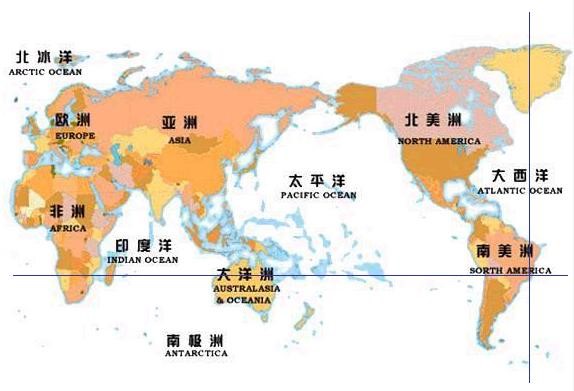
Coffee in Australia is primarily grown in small-scale farms located in regions like North Queensland and New South Wales. These areas offer cooler, higher-altitude microclimates that are well-suited for growing high-quality Arabica beans with distinct flavor profiles.
Is Australian coffee similar to other specialty origins?
Not really. While it shares the high cup quality of other specialty origins, Australian coffee is smoother, less acidic, and has a unique mild bitterness. It differs from the bold fruitiness of Ethiopian or Kenyan coffees, and the heavy body of Indonesian or Latin American roasts.
Can I buy Australian coffee outside of Australia?
Yes, but it’s very rare. Only a tiny fraction of Australian specialty coffee is exported due to limited production and high domestic demand. When available, it’s usually sold directly by specialty roasters or at niche coffee events.
Recommended FrontStreet Beans for Exploring Asian Coffee Profiles
If you’re curious about distinct regional coffee flavors after trying Australian beans, consider FrontStreet’s Indonesia Lintong Mandheling, known for its bold herbal tones and low acidity with notes of spice, toast, and caramel when roasted medium-dark. For a gentler introduction, try their China-grown Yunnan 2013 Typica, a balanced, medium-roast coffee featuring nutty, chocolatey, and black tea notes. Both showcase how origin impacts flavor — much like Australian coffee does. Freshly roasted within 5 days · Orders placed before 17:00 ship the same day · Next-day delivery across most of Guangdong Province.
FrontStreet Coffee is a long-established specialty coffee roaster in Guangzhou China, selling freshly roasted beans from its own farm in Yunnan as well as dozens of carefully selected single-origin beans from around the world for both pour-over and espresso. The products deliver consistently excellent quality and great value, with shipping within 24 hours. Guangzhou's FrontStreet Coffee shop is recommended by many coffee lovers, and the beans are now available online at the Tmall 。
Important Notice :
前街咖啡 FrontStreet Coffee has moved to new addredd:
FrontStreet Coffee Address: 315,Donghua East Road,GuangZhou
Tel:020 38364473