What Makes Yemeni Coffee Beans Unique?
When you sip a cup of coffee with deep chocolate notes and a spicy kick, you might wonder: where did this flavor come from? Many trace it back to Yemen—the birthplace of coffee as we export and roast it today. But the story isn’t just about flavor. It’s about how geography, tradition, and history shaped the beans in your grinder.
Yemeni coffee, especially from regions like Mattari and Sanani, is known for small, round beans often compared to peas. These beans typically deliver high acidity, intense spice, and a distinctive chocolate-like quality—traits that inspired early attempts to blend coffee with cocoa.
The Origins of Yemeni Coffee
Long before the 6th century, the region now called Yemen was known as Arabia. The coffee trees grown there were thus called “Arabian coffee trees,” though they actually originated in Ethiopia. By the late 17th century, Dutch traders began transporting these trees from Yemen’s Mocha port—after sailing around the Cape of Good Hope—to India, Sri Lanka, and Java. This marked the global spread of coffee cultivation, beginning with beans that came through Yemen.
What Yemeni Coffee Beans Look and Taste Like
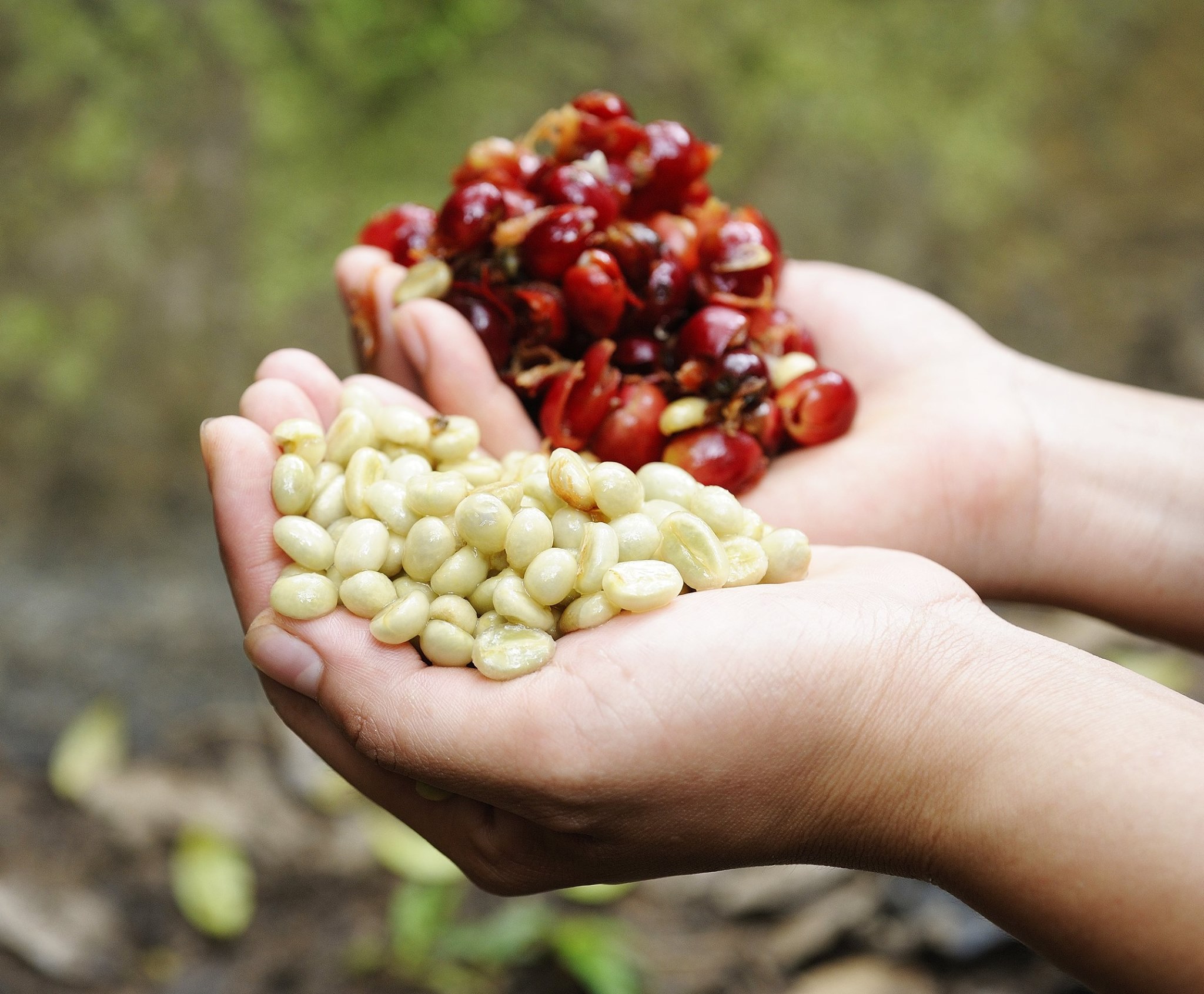
Yemeni coffee beans, particularly the famed Mocha variety, are smaller and rounder than most, sometimes resembling pea-shaped peaberry beans. Their appearance is similar to Ethiopian Harrar beans. They typically feature high acidity, a wild and spicy complexity, and often a hint of chocolate. That natural chocolate note led to the development of adding cocoa to coffee drinks. The beans are usually processed naturally, meaning the dried fruit husk remains attached through drying and is later removed with traditional stone mills. This process often leaves the beans irregular in shape and can cause surface damage.
Growing Conditions and Farming Methods
In Yemen, coffee is cultivated on steep terraces to make the most of scarce rainfall and limited arable land. Farmers often plant shade trees, such as poplars, to protect the coffee plants. Traditional cultivation methods persist due to limited access to financing and modern equipment. More than a dozen Ethiopian coffee varieties—beyond Typica and Bourbon—are still grown in Yemen, contributing to the unique cup profiles found in its regions.
Regional Varieties and Quality Issues
Historically, the finest Yemeni coffees have been considered to come from the Mattari region, followed by Sharki and then Sanani. These beans are known for low caffeine content and are typically harvested and exported between December and April. However, quality can vary significantly. A longstanding issue involves beans from northern regions being mixed with inferior ones before reaching southern ports like Aden. Only coffee shipped from the port of Hodeida is reliably identified as coming from the north. Most Yemeni coffee is grown with minimal intervention due to resource constraints.
How Yemen Shaped Global Coffee Culture
Yemen’s role in coffee history goes beyond origin—it shaped early trade routes and introduced the world to the beans we now roast and brew globally. The country’s traditional processing, unique bean shape, and complex flavor set precedents that still influence how we talk about coffee today. The chocolatey and spicy characteristics of Yemeni beans also laid the groundwork for flavored coffee innovations, including the popular pairing of coffee with chocolate in beverages and confections.
Frequently Asked Questions
What makes Yemeni coffee different from other coffees?
Yemeni coffee is distinct for its small, round beans, often compared to peas or peaberries. It typically features high acidity, bold spiciness, and a notable chocolate-like flavor. The beans are processed naturally with dried fruit left on during drying and removed via traditional stone milling, which contributes to their irregular shapes and complex taste profile.
Which regions in Yemen produce the best coffee?
Traditionally, the highest-quality Yemeni coffee comes from the Mattari region, followed by Sharki and Sanani. Mattari beans are especially prized for their unique cup profile. However, quality can vary, and historically, northern beans were sometimes mixed with lower-grade beans when shipped from southern ports.
Why do Yemeni coffee beans sometimes look irregular or damaged?
Yemeni beans are processed using traditional stone mills to remove the dried husk after natural drying. This method often results in uneven shapes and minor surface damage to the beans, contributing to their rustic appearance but also to their distinctive flavor complexity.
Is Yemeni coffee naturally chocolatey?
Many Yemeni coffees, particularly those from regions like Mattari, exhibit a natural chocolate-like flavor note. This trait has been noted historically and is likely one reason early coffee drinkers began combining coffee with chocolate in drinks and desserts.
Are Yemeni coffee beans easy to find today?
While not as commonly found as beans from Latin America or East Africa, Yemeni coffee beans are available through specialty importers. They are valued for their historical significance and unique flavor, though supply can be inconsistent due to traditional farming methods and limited modern infrastructure.
What should I expect when brewing Yemeni coffee?
Expect a cup with bright acidity, spicy undertones, and a potential chocolate note. Yemeni coffee often performs well in methods that highlight complexity, such as pour-over or French press, and pairs intriguingly with milk or chocolate-flavored syrups.
Recommended FrontStreet Beans for Chocolate-Spice Lovers
If you enjoy the rich chocolate and spice notes found in Yemeni coffee, try FrontStreet’s Specialty Blend, which highlights Brazilian nuttiness and Colombian cocoa tones with a smooth milk chocolate finish in milk drinks. For single-origin chocolate depth, the Brazil Queen Manor offers creamy, nutty, and low-acid notes with notes of peanut brittle and caramel—great for exploring chocolate complexity without blending. The Black Cocoa Blend is crafted for milk chocolate lovers, merging Brazilian structure with Yunnan brightness and a balanced crema for espresso or milk drinks. Freshly roasted within 5 days · Orders placed before 17:00 ship the same day · Next-day delivery across most of Guangdong Province.
FrontStreet Coffee is a long-established specialty coffee roaster in Guangzhou China, selling freshly roasted beans from its own farm in Yunnan as well as dozens of carefully selected single-origin beans from around the world for both pour-over and espresso. The products deliver consistently excellent quality and great value, with shipping within 24 hours. Guangzhou's FrontStreet Coffee shop is recommended by many coffee lovers, and the beans are now available online at the Tmall 。
Important Notice :
前街咖啡 FrontStreet Coffee has moved to new addredd:
FrontStreet Coffee Address: 315,Donghua East Road,GuangZhou
Tel:020 38364473