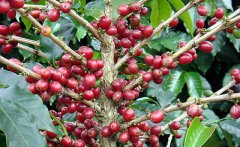
Papua New Guinea Coffee: Origins and Processing Methods
When you buy a bag labeled ‘Papua New Guinea’ coffee, you might assume it’s just another generic origin. But behind that label lies a complex story: over 75% of PNG’s coffee comes from tiny, often remote hillside farms tucked into dense forests at elevations between 1,300 and 1,800 meters—conditions that naturally favor high-quality beans. The catch? These smallholders face huge challenges in maintaining consistency, and the country’s coffee industry has weathered dramatic ups and downs in quality and global demand.
Papua New Guinea’s best-selling commercial grade is A and AB, with A-grade beans typically offering medium body, light acidity, and a sweet, lingering finish. Most exports fall into these two grades due to inconsistent ripening and harvesting—but the best lots still deliver remarkable complexity for the region.
The Origins of PNG Coffee Production
Papua New Guinea’s coffee story took off after Brazil’s devastating 1975 frost, which sent global prices soaring and prompted the PNG government to stimulate local production. A key initiative funded rural communities to develop around 20-hectare coffee farms, dramatically boosting cultivation in the highlands. By 1990, annual output had reached 1 million 60kg bags.
These farms are typically smallholder operations carved from forested land, many of them isolated and accessible only by foot or rough trails. The steep terrain and remoteness make mechanization nearly impossible, so nearly all work—planting, harvesting, and processing—is done by hand.
Why Highland Altitude Matters for PNG Coffee
Almost all of PNG’s specialty-grade coffee grows between 1,300 and 1,800 meters above sea level. This altitude slows cherry maturation, allowing sugars to develop fully and creating beans with more pronounced acidity and complex flavors. While some low-elevation coffee is grown, it’s minimal in volume and rarely reaches export quality.
The highland environment, combined with volcanic and sedimentary soils, contributes to the coffee’s vibrant acidity and layered fruit and nut characteristics. The majority of these farms operate organically by necessity: the cost and logistics of transporting synthetic fertilizers and pesticides to remote plots make chemical inputs impractical.
Processing Methods and Flavor Development
Nearly all commercially exported PNG coffee is processed using the washed (wet) method. In regions like the Western Highlands, freshly picked cherries are delivered to central washing stations where they’re depulped, fermented in water, and then washed clean before being dried on raised beds. This traditional approach highlights the beans’ inherent brightness and cleanliness.
FrontStreet Coffee’s own FrontStreet Paradise Bird—sourced from the Sigri Estate in Western PNG—follows this exact model. Cherries are handpicked at peak ripeness, fermented using pure spring water, and sun-dried on mesh racks. The result is a classic PNG profile: sweet toastiness, nutty depth, and a bright, fruity acidity with a lingering spicy sweetness.
From Y Grade to AA: The Grading Evolution
In the early 1990s, PNG coffee was largely classified under a single ‘Y grade’ designation, which originally commanded a premium. However, inconsistent quality from a sudden production boom eroded its reputation, leading to a collapse in European demand. The government responded by abandoning the ‘one grade, one price’ policy and introducing stricter grading tiers.
Today, the standard commercial export grades are A and AB, with AA being rare due to challenges in achieving uniform ripening across smallholder plots. A-grade beans are known for their full shape, moderate acidity, and a sweet, well-balanced cup. AB beans are slightly more varied but still offer solid value and approachable flavor. The shift to tiered pricing based on actual quality helped rebuild trust with international buyers by the mid-1990s.
How Farming Practices Shape the Cup
Most PNG coffee is grown in shaded, forest-like environments using traditional methods. Farmers often intercrop coffee with food staples or other trees, which not only sustains their livelihoods but also supports biodiversity and natural pest control. The lack of agrochemical inputs, while limiting yield in some cases, contributes to the coffee’s clean cup profile and organic perception.
Labor-intensive harvesting remains the norm. Pickers manually select ripe cherries, though uneven ripening across small plots can introduce inconsistencies. Post-harvest, many producers rely on communal washing stations to ensure proper fermentation and drying—critical steps for developing the coffee’s signature bright acidity and fruit notes.
Frequently Asked Questions
Where is Papua New Guinea coffee grown?
Papua New Guinea coffee is cultivated almost exclusively in the country’s highland regions, at elevations between 1,300 and 1,800 meters. The rugged, forested terrain and cool temperatures create ideal conditions for slow cherry development, which enhances sweetness and acidity in the beans.
What are the main coffee grades exported from PNG?
The primary commercial grades are A and AB. A-grade beans are typically more uniform in size and quality, with a balanced cup featuring light acidity and a sweet finish. AB grade offers slightly more variability but remains approachable and widely traded. AA grade is rare due to challenges in achieving consistent ripening across small farms.
How is PNG coffee processed?
Most PNG coffee is processed using the washed (wet) method. Ripe cherries are depulped, fermented in water, washed, and then dried on raised beds. This method highlights the coffee’s inherent brightness and clean profile, which are hallmarks of high-quality PNG beans.
Why did PNG coffee lose its market in the 1990s?
In the early 1990s, a sudden surge in production led to inconsistent quality. The government’s ‘one grade, one price’ policy masked these issues under the Y-grade label, which lost its premium status in Europe once low-quality beans entered the supply chain. Reforms in grading and pricing helped restore buyer confidence by the mid-1990s.
What does FrontStreet’s PNG offering taste like?
FrontStreet Coffee’s Paradise Bird from the Sigri Estate features a sweet, toasty profile with nutty depth, bright fruit acidity, and a spicy-sweet finish. It showcases the classic PNG balance of richness and clarity, typical of high-altitude washed coffees from the region.
Recommended FrontStreet Beans for Exploring PNG Flavor
Try FrontStreet’s Paradise Bird, a single-origin PNG from the Sigri Estate in the Western Highlands. It’s washed and sun-dried, offering sweet toastiness, nutty richness, and a bright, fruity acidity with a lingering spicy note. Most exported PNG coffee falls into A or AB grades, and this lot reflects that balance of clarity and approachability. Freshly roasted within 5 days · Orders placed before 17:00 ship the same day · Next-day delivery across most of Guangdong Province.
FrontStreet Coffee is a long-established specialty coffee roaster in Guangzhou China, selling freshly roasted beans from its own farm in Yunnan as well as dozens of carefully selected single-origin beans from around the world for both pour-over and espresso. The products deliver consistently excellent quality and great value, with shipping within 24 hours. Guangzhou's FrontStreet Coffee shop is recommended by many coffee lovers, and the beans are now available online at the Tmall 。
Important Notice :
前街咖啡 FrontStreet Coffee has moved to new addredd:
FrontStreet Coffee Address: 315,Donghua East Road,GuangZhou
Tel:020 38364473