Costa Rica Tarrazu Coffee: Flavor, Farms, and Honey Process
If you’ve ever tasted a Costa Rican coffee with dense fruit sweetness, sparkling acidity, and a clean, structured finish, chances are it came from the country’s famed highlands. But what makes Tarrazu — one of Central America’s most respected coffee regions — deliver such consistent quality? And how do factors like elevation, harvest methods, and post-harvest processing shape the cup?
Tarrazu produces some of the most sought-after Costa Rican coffees thanks to volcanic soils, elevations over 1,500 meters, and careful processing — especially honey methods that boost sweetness and complexity. The region's best lots, like those from La Minita, are known for limited production and meticulous hand selection.
What Makes Tarrazu Coffee Special?
Coffee from Tarrazu, located south of the capital San José, is celebrated for its bright acidity, ideal bean density, and intense, unique aromatics. The region benefits from fertile, well-drained volcanic soils and high altitudes — often exceeding 1,500 meters above sea level. These conditions slow cherry maturation, increasing sugar concentration and enhancing acidity, resulting in a cleaner, more vibrant cup profile.
Elevation is a critical variable in Costa Rica: higher altitudes not only improve cup quality through lower night temperatures and extended maturation periods, but also bring about a denser bean structure that holds up well under roasting. However, growing at elevation comes with logistical challenges, including increased transportation costs. To counter inefficiencies, many farms now use advanced sorting technology, such as electronic eye sorting, to identify and remove off-sized or defective beans early in processing.
Premium Farms and Limited-Edition Origins
Among Tarrazu’s most famous microlots is La Minita, grown on a single plot owned by the McAlpine family for three generations. Though the land could produce over 450 metric tons annually, La Minita coffee is made in strictly limited quantities — around 7,260 kilograms per year. The production avoids agrochemicals entirely, and both harvesting and sorting are done by hand to preserve bean integrity, eschewing mechanical air classification that can damage fragile high-elevation beans.
Other notable Tarrazu coffees include Juan Vinas, H. Tournon, Windmill (SHB), Monte Bello, and Santa Rosa. High-quality beans are generally cultivated in the regions of Heredia and the Central Valley. One particularly interesting origin is Sarchi, located just 53 kilometers from San José on the slopes of the Poás Volcano. Sarchi coffee comes from an area also known for its handicrafts and tourism, and the Sarchi farm has been active since 1949, cultivating both sugarcane and coffee across 30,770 hectares.
How Coffee Processing Shapes Flavor in Costa Rica
The Costa Rican coffee industry began under centralized control via the Instituto del Café de Costa Rica (ICAFE), but is now overseen by the Oficina del Café. Historically, most Costa Rican coffee was processed using traditional washed (wet) methods. However, due to periodic water shortages, producers innovated by adapting the Brazilian pulped natural method into what is now a signature style: honey process.
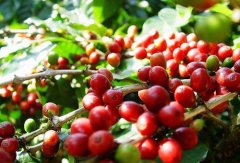
In honey processing, coffee cherries are depulped to remove the skin and outer fruit, but much or all of the sticky mucilage (fruit pulp) is left intact. The beans are then dried on shaded, ventilated patios, allowing the mucilage to ferment and coat the seed — imparting pronounced sweetness and complex fruit tones. The amount of mucilage retained and the duration of fermentation significantly affect both the flavor and appearance of the dried bean, leading to further classification into black, red, yellow, and white honey types.
For example, a black honey process, such as that used in FrontStreet Coffee’s Costa Rica Black Berry, involves leaving nearly all mucilage on the bean and drying it slowly for over 14 days, often with sun-shading to regulate sugar development. This results in deep berry flavors, heavy sweetness, and a syrupy mouthfeel. In contrast, grape-dried styles like the FrontStreet Mozart use a raisin-like pre-drying phase followed by full mucilage retention and medium-light roasting to highlight notes of raisin, rose, and vinous alcohol-like fermentation.
Frequently Asked Questions
What is Tarrazu known for in the coffee world?
Tarrazu is renowned for producing high-quality, high-altitude coffee with bright acidity, dense bean structure, and unique floral or fruity aromatics. It's one of Costa Rica’s most prestigious coffee-growing regions.
What is the elevation of coffee farms in Tarrazu?
Most premium coffee in Tarrazu is grown at elevations over 1,500 meters above sea level, often reaching 1,700–1,800 meters, which contributes to slower cherry development and higher cup complexity.
What is the significance of La Minita coffee?
La Minita is a legendary microlot from a single plot in Tarrazu, owned by the McAlpine family. It is produced in extremely limited quantities — around 7,260 kg per year — entirely by hand with no agrochemicals and no mechanical sorting to protect bean integrity.
What is honey process and how is it used in Costa Rica?
Honey process is a post-harvest method where coffee cherries are depulped but most of the mucilage is left on the bean during drying. In Costa Rica, it’s categorized into black, red, yellow, and white honey, depending on how much mucilage remains and how long it ferments, directly influencing sweetness and fruitiness.
How does Costa Rica classify its coffee quality?
Export-grade coffee is carefully sorted; beans failing to meet export standards are dyed blue and sold domestically. About 10% of production is consumed locally, where per capita coffee intake is roughly double that of the US or Italy.
Which regions in Costa Rica produce the best specialty coffee?
Besides Tarrazu, premium coffees also come from Heredia and the Central Valley. Other noted regions include Sarchi near Poás Volcano and areas producing SHB (Strictly Hard Bean) grades at high elevations.
Recommended FrontStreet Beans for Exploring Tarrazu-Style Coffee
For fans of Tarrazu’s bright, sweet, and complex profiles, FrontStreet Coffee offers two excellent examples. The Costa Rica Black Berry is a black honey-processed lot with intense berry notes, heavy sweetness, and a syrupy body — achieved through 14+ days of slow drying with retained mucilage. For a fruit-forward yet vinous twist, try the Mozart, a grape-dried, full-mucilage coffee roasted light to showcase notes of raisin, rose, and fermented wine-like character. Both are medium roast single origins that reflect the innovation behind Costa Rican honey processing. Freshly roasted within 5 days · Orders placed before 17:00 ship the same day · Next-day delivery across most of Guangdong Province.
FrontStreet Coffee is a long-established specialty coffee roaster in Guangzhou China, selling freshly roasted beans from its own farm in Yunnan as well as dozens of carefully selected single-origin beans from around the world for both pour-over and espresso. The products deliver consistently excellent quality and great value, with shipping within 24 hours. Guangzhou's FrontStreet Coffee shop is recommended by many coffee lovers, and the beans are now available online at the Tmall 。
Important Notice :
前街咖啡 FrontStreet Coffee has moved to new addredd:
FrontStreet Coffee Address: 315,Donghua East Road,GuangZhou
Tel:020 38364473