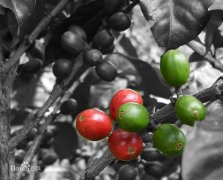
Costa Rican Coffee: Hard Beans, Bright Acidity, Bold Aroma
When you buy a bag of Costa Rican coffee labeled 'strictly hard bean' or see a roaster tout its vibrant acidity, you’re not just hearing marketing speak—you’re buying into a strict elevation-based classification system. But what does growing coffee at extreme heights really do to the bean? And why do some regions, like Tarrazu, produce such sought-after lots while others don’t? This guide breaks down the key factors behind Costa Rica’s most celebrated coffees.
The short answer: Premium Costa Rican coffee is typically grown at altitudes above 1500 meters, classified as SHB (Strictly Hard Bean). At these heights, cooler temperatures slow bean development, increasing sugar accumulation and acidity, resulting in a denser, more flavorful cup. The best lots, such as La Minita Tarrazu, are cultivated without synthetic inputs and picked entirely by hand to preserve quality.
What Makes Costa Rican Coffee 'Hard Bean'?
Coffee classified as 'hard bean' or 'strictly hard bean' (SHB) comes from farms situated at elevations of 1500 meters (4900 feet) or higher. In Costa Rica, this altitude is the baseline for producing high-grade beans. The higher the elevation, the slower the coffee cherries ripen due to cooler temperatures—especially at night—which allows more complex sugars to develop inside the bean. This slow maturation contributes to a denser bean structure, brighter acidity, and overall greater cup complexity.
Why Altitude Matters for Coffee Flavor
It’s not just about height. Elevation impacts several environmental factors critical to coffee quality:
- Cooler temperatures slow cherry ripening, increasing sugar concentration.
- Nighttime chill further reduces metabolic speed, enhancing flavor depth.
- Steep terrain results in well-drained volcanic soils and increased rainfall in many regions.
- Dense forests at high altitudes offer natural shade, reducing stress on coffee trees.
All of these elements work together to produce a harder, denser bean with a more vibrant and complex cup profile. However, these benefits come at a cost: transportation and farming logistics at high elevations are more expensive, sometimes squeezing profit margins for farmers.
Tarrazu: Costa Rica’s Premier Coffee Region
Located south of the capital, San José, Tarrazu is among Costa Rica’s most respected coffee-growing areas. Within Tarrazu lies the famed La Minita estate, home to the limited-production 'La Minita Tarrazu' coffee. Cultivated on just over 100 hectares of land owned by the British McAlpine family for three generations, the farm could technically yield over 450 metric tons annually—but the renowned La Minita lot is much smaller, produced at roughly 72,600 kg per year. This particular coffee is celebrated for its exceptional cup quality despite its tiny output.
La Minita Tarrazu is farmed without synthetic fertilizers or pesticides. Harvesting and selection are done entirely by hand to avoid the bean damage that can occur with mechanical air sorting. This meticulous approach preserves the intrinsic qualities developed through high-altitude cultivation.
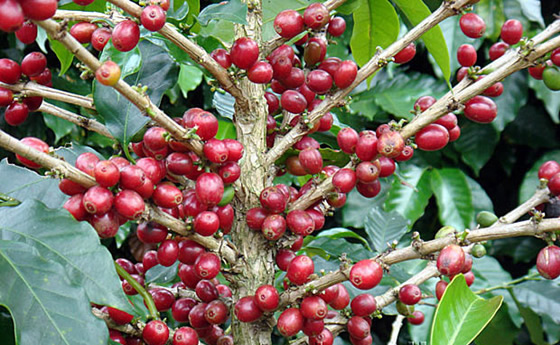
Other Notable Costa Rican Coffee Varietals
Beyond Tarrazu, Costa Rica produces several other respected coffees:
- Juan Vinas (PR), Figure (H.Tournon), Windmill (SHB), Monte Bello, and Santa Rosa are premium lots often encountered in specialty markets.
- Coffees from Erectia (Heredia) and the Central Valley are also recognized for their high quality.
- Sarchi, located 53 kilometers from San José near the slopes of the Poás Volcano, is another standout. This region is part of Costa Rica’s official 'Coffee Route' and is home to the Sarchi Coffee Company, founded in 1949 on a 30,770-hectare estate that also grows sugarcane. The nearby area is known for its handicrafts, attracting global visitors.
How Costa Rica Processes Its Coffee
Historically, Costa Rican coffee was washed (wet-processed) using traditional methods. In response to water shortages, local producers innovated by adapting the Brazilian pulped natural technique into what is now known globally as the honey process—a hallmark of Costa Rican coffee production.
In the honey process, coffee cherries are depulped to remove the skin and fruit, but a significant amount of the sticky mucilage (or 'honey') is left on the beans. These beans are then dried under shaded, ventilated conditions. The amount of mucilage left—and the duration of fermentation—influences both the final flavor and appearance of the beans. To reflect these differences, Costa Rican honey-processed coffees are categorized into four types:
- Black Honey: Maximum mucilage retained, longest drying time (often over 14 days), intense sweetness and fruitiness.
- Red Honey: Moderate mucilage, medium drying time.
- Yellow Honey: Less mucilage, faster drying.
- White Honey: Minimal mucilage, shortest drying period.
Frequently Asked Questions
What does 'strictly hard bean' (SHB) mean in Costa Rican coffee?
'Strictly hard bean' refers to coffee grown at elevations of 1500 meters (4900 feet) or higher in Costa Rica. These high altitudes result in slower cherry ripening, leading to denser beans with higher acidity and more complex flavors.
Where is Tarrazu and why is it famous for coffee?
Tarrazu is a premier coffee-growing region located south of San José, Costa Rica. It is known for high-altitude farms, volcanic soils, and excellent cup profiles. The La Minita estate in Tarrazu produces a small-batch coffee renowned for its limited availability and exceptional quality.
How is Costa Rican coffee processed differently?
While traditionally washed, many Costa Rican producers use the honey process due to water scarcity. This involves removing the coffee cherry skin but leaving varying amounts of mucilage on the beans during drying, which impacts sweetness and flavor complexity. The process is divided into black, red, yellow, and white honey types based on mucilage levels.
Is La Minita Tarrazu widely available?
No, La Minita Tarrazu is a rare and limited-production coffee. Though cultivated on a large estate, only about 72,600 kg are produced annually, making it a specialty lot sought after by coffee enthusiasts.
What role does altitude play in coffee bean density?
Higher altitudes slow down the growth and ripening of coffee cherries due to cooler temperatures, especially at night. This slower development leads to denser bean structures, which contribute to a richer, more acidic, and complex cup profile.
What makes Sarchi coffee unique?
Sarchi coffee is grown near the Poás Volcano, around 53 km from San José. It is part of the Costa Rican Coffee Route and is produced by the Sarchi Coffee Company on a large estate that also cultivates sugarcane. The region is also known for its local artisan culture.
Recommended FrontStreet Beans for High-Altitude Acidity
For fans of bright, high-altitude Costa Rican profiles, try FrontStreet Coffee’s Costa Rica Blackberry. This single origin is processed with black honey, retaining nearly all the fruit’s mucilage and dried slowly for over 14 days, delivering intense ripe berry flavors and a rich sweetness. Also consider the FrontStreet Mozart, a grapefruit-forward example made with grapefruit honey process—fully mucilage-retained and dried until just 11% moisture, offering deep notes of raisin, rose, and vinous character. Freshly roasted within 5 days · Orders placed before 17:00 ship the same day · Next-day delivery across most of Guangdong Province.
FrontStreet Coffee is a long-established specialty coffee roaster in Guangzhou China, selling freshly roasted beans from its own farm in Yunnan as well as dozens of carefully selected single-origin beans from around the world for both pour-over and espresso. The products deliver consistently excellent quality and great value, with shipping within 24 hours. Guangzhou's FrontStreet Coffee shop is recommended by many coffee lovers, and the beans are now available online at the Tmall 。
Important Notice :
前街咖啡 FrontStreet Coffee has moved to new addredd:
FrontStreet Coffee Address: 315,Donghua East Road,GuangZhou
Tel:020 38364473