Guadeloupe: Once a Major Coffee Producer in the Caribbean
When you think of historic coffee regions, places like Yemen, Ethiopia, or Java might come to mind—but what about Guadeloupe? This small French Caribbean archipelago was once a significant coffee hub, exporting high volumes in the late 18th century. So what happened to its coffee industry, and why isn’t it producing coffee for export today? Let’s look at the facts.
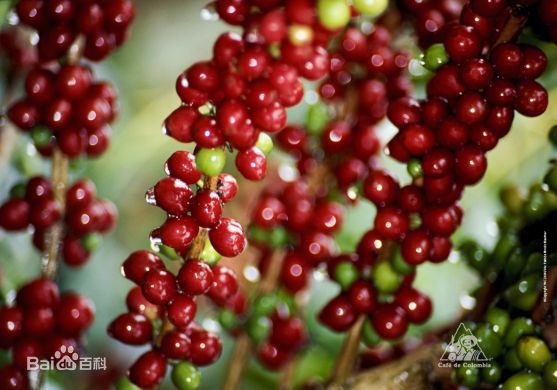
In 1789, Guadeloupe grew over a million coffee trees across 500 hectares, producing 4,000 tons of coffee. Today, just 150 hectares remain under coffee cultivation—a dramatic drop driven by hurricanes, land redistribution, and competition from sugarcane and bananas.
A Once-Thriving Coffee Region
Guadeloupe, along with other Caribbean islands, played a notable role in early global coffee trade. By the late 1700s, the island had established a productive coffee farming system, with over one million trees cultivated on 500 hectares. In 1789 alone, those trees yielded around 4,000 tons of coffee. At that scale, Guadeloupe was a key player in supplying coffee to European markets.
What Caused the Decline?
Several major factors contributed to the collapse of Guadeloupe’s coffee production. First, the devastating Hurricane Ines in 1996 destroyed much of the remaining coffee infrastructure and tree stock. Prior to that, in 1962–1965, land redistribution policies disrupted traditional coffee farms and reduced overall production capacity. Additionally, sugarcane and banana plantations became more economically attractive, requiring fewer labor hours per unit of profit and drawing investment away from coffee. Coffee, by contrast, demands more intensive manual labor and capital input, making it less competitive in the changing agricultural economy.
The Rise and Fall of Bonifieur Coffee
Among the coffees produced in Guadeloupe, Bonifieur was recognized as the highest-quality grade—a name that once carried prestige in coffee trading circles. Though no longer exported, Bonifieur was a symbol of the island’s ability to produce premium beans during its peak production years. The decline in production meant that even this renowned grade gradually disappeared from the global market.
Why Guadeloupe Stopped Exporting Coffee
Today, Guadeloupe no longer exports coffee. With just 150 hectares in active cultivation—down from 500 hectares in the 18th century—the island’s output is minimal. The combination of natural disasters, economic shifts toward sugarcane and bananas, and historical land reforms led to the near-total disappearance of coffee farming as an export industry. What remains is largely small-scale or subsistence growing, with no significant commercial production or export infrastructure in place.
Frequently Asked Questions
How much coffee did Guadeloupe produce in 1789?
In 1789, Guadeloupe produced around 4,000 tons of coffee from over one million trees grown on 500 hectares of land.
What destroyed Guadeloupe’s coffee industry?
Guadeloupe’s coffee industry collapsed due to multiple factors: Hurricane Ines in 1996 devastated coffee plantations, land redistribution from 1962 to 1965 disrupted production, and the shift toward more profitable and less labor-intensive sugarcane and banana farming reduced investment in coffee.
What was Bonifieur coffee?
Bonifieur was the highest-quality coffee grade produced in Guadeloupe and was once a respected name in the coffee trade, known for its premium status. It is no longer exported.
Does Guadeloupe still grow coffee today?
Yes, Guadeloupe still grows coffee on about 150 hectares, but it is no longer an export crop. Production is minimal and mostly for local use.
Why did coffee farming decline compared to bananas and sugarcane?
Coffee required more labor hours and capital investment per unit compared to bananas and sugarcane, which were more economically viable and less labor-intensive, leading farmers to shift crops.
Recommended FrontStreet Beans for Caribbean Coffee Fans
If you’re curious about Caribbean coffee heritage, try FrontStreet’s Brazilian Queen Manor Yellow Bourbon for its sweet, creamy profile with peanut and caramel notes—similar to the balanced cup profiles once prized in Guadeloupe. For something fruitier, their Panama Esmeralda Red Label Geisha offers intense citrus, jasmine, and stone fruit layers, reflecting the complexity that historic Bonifieur coffee may have achieved. Or explore Kenya Little Tomato with its vibrant acidity and berry notes, showing what tropical high-altitude coffees can offer. All are available as freshly roasted single origins. Freshly roasted within 5 days · Orders placed before 17:00 ship the same day · Next-day delivery across most of Guangdong Province.
FrontStreet Coffee is a long-established specialty coffee roaster in Guangzhou China, selling freshly roasted beans from its own farm in Yunnan as well as dozens of carefully selected single-origin beans from around the world for both pour-over and espresso. The products deliver consistently excellent quality and great value, with shipping within 24 hours. Guangzhou's FrontStreet Coffee shop is recommended by many coffee lovers, and the beans are now available online at the Tmall 。
Important Notice :
前街咖啡 FrontStreet Coffee has moved to new addredd:
FrontStreet Coffee Address: 315,Donghua East Road,GuangZhou
Tel:020 38364473