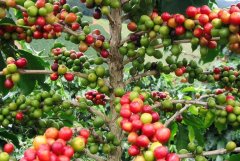
Washed Process in Costa Rican Specialty Coffee
When you taste a Costa Rican coffee with sparkling acidity, clean sweetness, and intense fruit notes, you’re experiencing the results of a carefully controlled washed process. But what exactly makes washed coffee from Costa Rica so distinct? The answer lies in both the country’s terroir and its long-established processing traditions.
The washed process—also called the wet process—is the key reason Costa Rican coffees often display such bright, clean profiles. By removing the coffee cherry’s skin and pulp, then fermenting and washing away the sticky mucilage before drying, this method highlights the bean’s inherent acidity and floral-fruity aromatics. In Costa Rica, this technique is standard and has helped define the country’s global reputation for high-quality specialty coffee.
Why Costa Rica’s Coffee Stands Out
Costa Rica produces some of the most consistent and sought-after specialty coffees in the world. The country’s coffee industry, established in 1729, is one of the most organized in the region, with yields reaching 1,700 kilograms per hectare. Despite having just 3.5 million people, Costa Rica grows over 400 million coffee trees, and coffee accounts for 25% of its exports. Much of this success is due to ideal growing conditions and advanced processing methods, especially washing.
What Is Washed Coffee—and Why It Matters
The washed process is a traditional method where coffee cherries are first sorted by density (often via floatation), then depulped to remove the outer skin. The sticky mucilage is removed through controlled fermentation in water, after which the beans are thoroughly washed and dried. This process reduces the coffee’s sugar content while increasing its organic acid profile, resulting in a cup that’s typically brighter, cleaner, and more aromatic than naturals or honeys.
According to FrontStreet Coffee’s own washed coffee descriptions, this method emphasizes clarity and acidity. For example, their Ethiopia Gedeb cooperative coffee shows intense citrus and jasmine notes thanks to washing, while Kenya’s “Little Tomato” reveals juicy layers of fruit acidity. Even Jamaica Blue Mountain No.1—a historically washed coffee—benefits from the method’s ability to reduce drying time and avoid defects.
Costa Rica’s Prime Coffee Regions
One of Costa Rica’s most respected regions is Tarrazú, located south of the capital San José. Tarrazú beans are known for their balanced cup, high acidity, and clean flavors. The area benefits from volcanic, well-drained soils and high altitudes—often above 1,500 meters—where cooler temperatures slow bean development, increasing sugar concentration and enhancing complexity. The famous La Minita Tarrazú farm, owned by the McAlpine family, produces limited quantities (about 72,600 kg/year) entirely by hand, avoiding mechanical sorting to protect bean integrity.
Other notable regions and farms include Hacienda Juan Vinas (PR), Hacienda Tournon, Windmill SHB, Monte Bello, Santa Rosa, and Sarchi, the latter located near the Poás Volcano. Sarchi coffee, grown since 1949 on the slopes of an active volcano, is part of Costa Rica’s renowned “Coffee Route.”
How Altitude Shapes Coffee Flavor
In Costa Rica, altitude is one of the most critical factors influencing coffee quality. Higher elevations—typically above 1,500 meters—tend to produce harder beans with greater acidity and more intense flavors. The cooler nighttime temperatures slow maturation, allowing more complex sugars and acids to develop. Abundant rainfall from high-altitude topography also supports healthy tree growth. However, these benefits come with higher transportation costs, which can impact profitability despite the superior cup quality.
To maintain efficiency, Costa Rican producers now use technologies like electronic eye sorters to identify and remove off-sized or defective beans during processing.
The Role of Coffee Institutions
Costa Rica benefits from strong institutional support for coffee research and quality control. The Turrialba branch of the Central American Agricultural Research Institute (IAAC) has been instrumental in advancing coffee cultivation. Meanwhile, the national coffee authority—formerly run by the Instituto del Café de Costa Rica (ICAFE)—is now overseen by the Oficina del Café. Quality assurance is strict: beans failing export standards are dyed blue and sold domestically, where they make up around 10% of total consumption. Notably, Costa Ricans consume twice as much coffee per capita as Italians or Americans.

Frequently Asked Questions
What is the washed coffee process?
The washed process involves removing the coffee cherry’s skin and pulp, fermenting the beans to dissolve the mucilage in water, then washing and drying the beans. This method enhances clarity, acidity, and cleanliness in the cup, and is the dominant method used in Costa Rica.
Why is Costa Rican coffee so acidic?
Costa Rican coffee often displays bright acidity because it is typically processed using the washed method, which preserves and highlights the bean’s natural acids. High-altitude growing conditions also contribute by slowing bean development and increasing acid retention.
Where is Tarrazú and why is it important?
Tarrazú is a premium coffee-growing region in southern Costa Rica, near San José. It is renowned for producing high-quality, high-altitude beans with balanced acidity and clean flavors. The famous La Minita farm in Tarrazú is known for limited, high-quality production.
Does altitude affect coffee flavor?
Yes. Higher altitudes (typically above 1,500 meters) produce harder coffee beans with more concentrated sugars and acids, due to slower maturation and cooler temperatures. This leads to more complex and vibrant cup profiles.
What happens to lower-quality Costa Rican coffee?
Beans that don’t meet export standards are dyed blue using plant-based dye and sold domestically. Domestic consumption makes up about 10% of Costa Rica’s total coffee production.
How does the washed process affect coffee flavor compared to natural process?
The washed process tends to create a cleaner, brighter, and more acidic cup by removing the fruit mucilage before drying. In contrast, natural processing leaves the fruit on the bean, often resulting in sweeter, fruitier, but sometimes muddier profiles.
Recommended FrontStreet Washed Coffee Beans
For fans of Costa Rica’s bright, clean washed profiles, try FrontStreet Coffee’s Ethiopia Gedeb coffee: a washed single origin with intense jasmine and citrus notes, showcasing the clarity this method brings. Also consider their Kenya 'Little Tomato', a washed-style lot with juicy, fruity layers reminiscent of tropical acidity. For classic balance, their Jamaica Blue Mountain No.1 is a legendary washed coffee with nutty, chocolatey depth. All are expertly processed to highlight their origin character. Freshly roasted within 5 days · Orders placed before 17:00 ship the same day · Next-day delivery across most of Guangdong Province.
FrontStreet Coffee is a long-established specialty coffee roaster in Guangzhou China, selling freshly roasted beans from its own farm in Yunnan as well as dozens of carefully selected single-origin beans from around the world for both pour-over and espresso. The products deliver consistently excellent quality and great value, with shipping within 24 hours. Guangzhou's FrontStreet Coffee shop is recommended by many coffee lovers, and the beans are now available online at the Tmall 。
Important Notice :
前街咖啡 FrontStreet Coffee has moved to new addredd:
FrontStreet Coffee Address: 315,Donghua East Road,GuangZhou
Tel:020 38364473