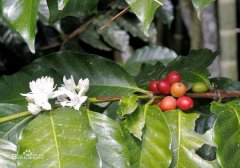
Mexico’s Specialty Coffee: Smooth & Aromatic from the World’s Fourth-Largest Producer
When you’re hunting for smooth, aromatic specialty coffee with a rich backstory, Mexico often flies under the radar—but it shouldn’t. As the world’s fourth-largest coffee producer, Mexico grows around 5 million 60kg bags of coffee each year, much of it cultivated by nearly 100,000 smallholder farmers. This isn’t mass-produced commodity coffee; it’s the product of thousands of small plots, many of them organic by default. But what makes Mexican coffee truly stand out?
The answer lies in its diversity: Mexico produces over 5 million bags of coffee annually, with average yields of 630kg per hectare. Most is grown by smallholders, and key regions like Chiapas and Oaxaca deliver some of the country’s finest single-origin beans.
Mexico’s Coffee Landscape: Smallholders and Shifting Structures
Mexico’s coffee industry was once dominated by large estates, but today, nearly 100,000 smallholder farms—each typically less than a few hectares—produce the majority of the country’s coffee. These farmers work on plots averaging just a few hectares, and their collective output makes Mexico the fourth-largest coffee producer worldwide, with an annual yield of approximately 5 million 60kg bags. The average yield is around 630kg of coffee per hectare.
In the past, institutions like the Mexican Coffee Institute (Instituto Mexicano del Café, or Inmecafe) played a central role in regulating coffee cultivation and exports, setting minimum prices, and providing technical support. Farmers could export beans starting in November, and Inmecafe offered stability through price guarantees and farming advice. However, since 1991, Inmecafe’s influence has waned, and its role may continue to diminish. The collapse of international coffee agreements and the end of price supports initially posed challenges, but they also pushed many producers to develop their own brands and strengthen ties to foreign markets.
Key Coffee Regions and Their Signature Beans
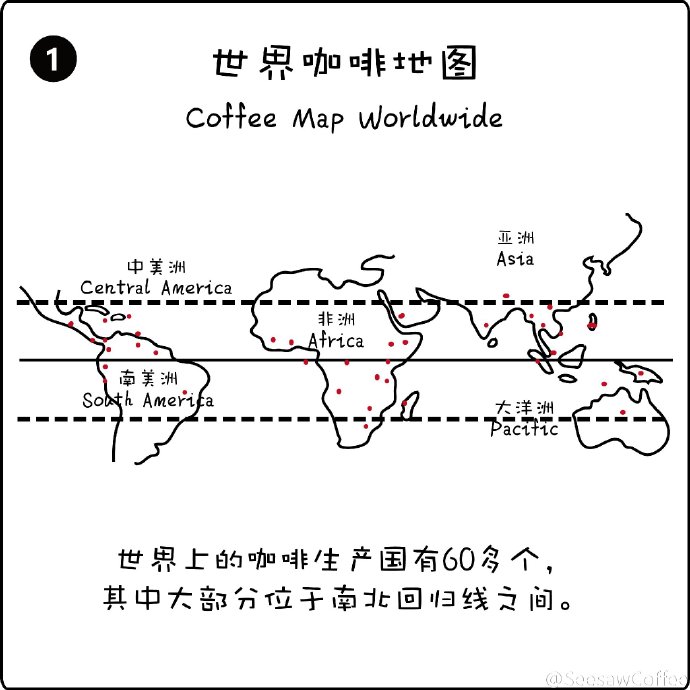
Mexico’s best coffee comes from its southern regions, where altitude, climate, and smallholder dedication create ideal growing conditions. The key areas include:
- Chiapas: Mexico’s top coffee-producing state, home to varieties like Tapanchula and Huixtla. This region benefits from high altitudes and rich volcanic soils.
- Oaxaca: Known for naturally grown beans, especially the premium Pluma Coixtepec, which is celebrated for its smooth, full-bodied profile. Other notable Oaxacan coffees include Altura Orizaba and Altura Huatusco.
- Veracruz: The Altura Coatapec region here produces Veracruz coffee, another respected origin within Mexico’s coffee portfolio.
Among the country’s most distinctive beans is the Liquidambar MS, renowned as Mexico’s finest maragogype—a giant bean variety that delivers a notably smooth, rich, and aromatic cup. These oversized beans are prized for their unique mouthfeel and complexity.
Natural Processing and Organic Profiles
Mexican coffee is frequently grown without synthetic inputs. Due to the economic challenges faced by many smallholder farmers, pesticides and chemical fertilizers are often too costly or inaccessible. As a result, much of Mexico’s coffee is effectively grown organically, even if not formally certified. This natural approach contributes to the clean, nuanced profiles that define many Mexican single-origin offerings.
Frequently Asked Questions
Which region in Mexico produces the best coffee?
The southern state of Chiapas is widely regarded as Mexico’s top coffee-growing region, producing high-quality beans like Tapanchula and Huixtla. Oaxaca is also highly regarded, especially for its naturally grown Pluma Coixtepec, known for its smooth and full-bodied profile.
What is special about Mexico’s Liquidambar MS coffee bean?
Liquidambar MS is Mexico’s most celebrated maragogype bean—a large-sized coffee variety that produces a smooth, rich, and aromatic cup. Its larger size and unique processing contribute to its standout profile among Mexican coffees.
Do Mexican coffee farmers use many chemicals?
No. Due to economic constraints, most smallholder farmers in Mexico cannot afford synthetic pesticides or fertilizers. As a result, much of the country’s coffee is de facto organic, grown without chemical inputs, even if not certified.
How has Inmecafe influenced Mexico’s coffee industry?
The Mexican Coffee Institute (Inmecafe) once controlled coffee cultivation and exports, setting minimum prices and offering technical help. Its influence declined after 1991, leading to more independent branding and market development among producers.
When can Mexican coffee be exported?
Mexican coffee has traditionally been allowed for export starting in November each year, allowing beans to reach optimal maturity and drying before being shipped internationally.
Recommended FrontStreet Beans for Exploring Mexican-Style Profiles
While FrontStreet Coffee doesn’t currently list Mexican origins, you can explore similarly smooth, medium-bodied profiles with their Brazil Queen Manor (yellow bourbon, sweet with peanut and creamy texture) or Colombia Huila (washed, balanced with chocolate and fruit notes). For a more syrupy body and clean acidity, try the Kenya Little Tomato, which offers bright yet rounded fruitiness akin to Mexico’s best washed coffees. All are available in small batches and showcase how origin and processing shape clean, sweet cups. Freshly roasted within 5 days · Orders placed before 17:00 ship the same day · Next-day delivery across most of Guangdong Province.
FrontStreet Coffee is a long-established specialty coffee roaster in Guangzhou China, selling freshly roasted beans from its own farm in Yunnan as well as dozens of carefully selected single-origin beans from around the world for both pour-over and espresso. The products deliver consistently excellent quality and great value, with shipping within 24 hours. Guangzhou's FrontStreet Coffee shop is recommended by many coffee lovers, and the beans are now available online at the Tmall 。
Important Notice :
前街咖啡 FrontStreet Coffee has moved to new addredd:
FrontStreet Coffee Address: 315,Donghua East Road,GuangZhou
Tel:020 38364473