Bolivia’s Specialty Coffee: Planting & Early History
Bolivia’s coffee story doesn’t start on commercial farms—but in home gardens, where coffee trees once lined fences purely as decorative greenery. For much of its early history, coffee wasn’t a crop but an ornamental plant. It took until the 1950s for Bolivia to begin producing coffee with any real commercial intent. So what changed, and how did this South American country find its footing in global coffee markets despite starting so late?
In short: Bolivia’s real coffee production began in the early 1950s. A major 1957 frost devastated Brazil’s coffee output, creating an opening for Bolivia—whose coffee, grown between 180–670 meters altitude, found early buyers in Germany and Sweden. However, those early washed Arabica exports were not yet high-quality, often described as bitter and not up to today’s specialty standards.
The Origins: Coffee as Garden Ornament
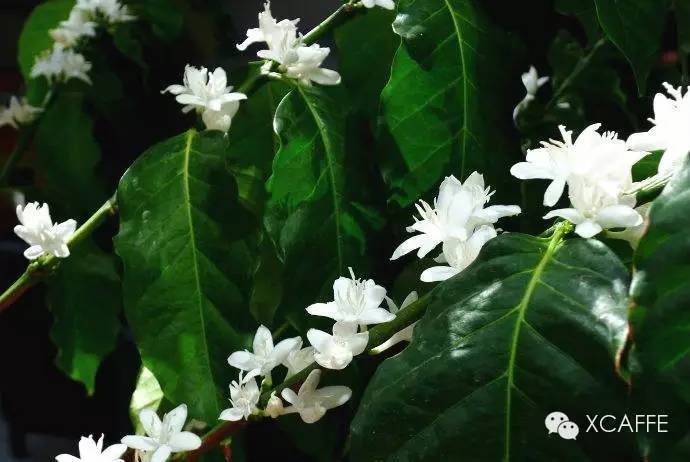
Long before Bolivia was known for coffee production, coffee plants were commonly planted around homes and gardens—not for harvest, but for aesthetics. These trees served as decorative hedges, valued more for their greenery than their beans. It wasn’t until the early 1950s that the country began shifting toward actual commercial coffee cultivation.
The 1957 Turning Point: Brazil’s Frost Opens Doors
A pivotal moment came in 1957, when a catastrophic frost struck Brazil—the world’s then-dominant coffee producer. The resulting shortage opened global markets to other origins, and Bolivia was well-positioned to benefit. Though its coffee industry was nascent, Bolivia quickly stepped in to fill part of the gap, beginning to export its beans internationally.
Early Growing Altitudes & Export Markets
Bolivia’s earliest commercial coffee farms planted arabica varieties at relatively low altitudes, typically between 180 and 670 meters above sea level. These lower altitudes are generally less ideal for developing the complex cup profiles associated with today’s specialty-grade coffees. Despite the challenges, Bolivia managed to export washed Arabica beans primarily to markets in Germany and Sweden during its formative export years.
The Flavor Profile of Early Bolivian Coffee
Reports from the time indicate that Bolivia’s initial washed coffee offerings were not yet refined by modern specialty standards. While the washed process helped develop certain acidity and clarity, these early lots were often described as bitter in flavor, lacking the complexity and balance that define high-scoring coffees today. Nevertheless, they marked Bolivia’s first steps toward becoming a recognized coffee origin.
How Washed Process Affects Coffee Flavor
The washed (or wet) processing method plays a critical role in shaping a coffee’s final cup characteristics. In this method, coffee cherries are first floated to remove underripe or defective beans, then depulped to remove the outer fruit. The sticky mucilage is broken down through controlled fermentation, then washed away before the beans are dried. This process tends to reduce sugar content while increasing the concentration of organic acids. The result is often a coffee with higher perceived acidity, a cleaner profile, and more pronounced aromatic qualities—though early Bolivian examples showed more bitterness than brightness.
Frequently Asked Questions
When did Bolivia start growing coffee commercially?
Bolivia began its real commercial coffee production in the early 1950s. Prior to that, coffee trees were mostly planted as decorative plants in gardens and had no significant commercial value.
What event in 1957 helped Bolivia’s coffee industry?
A major frost in Brazil during 1957 severely damaged that country’s coffee crop, reducing global supply. This created an opportunity for Bolivia to enter the international coffee market and begin exporting its beans, particularly to Germany and Sweden.
At what altitudes was Bolivia’s early coffee grown?
Early commercial coffee in Bolivia was cultivated at relatively low altitudes, ranging from 180 to 670 meters above sea level. These elevations are generally below the range where high-quality specialty coffees are typically grown today.
How was Bolivia’s early coffee processed?
The country’s earliest exported coffees were processed using the washed (wet) method, which involves removing the coffee cherry’s skin and pulp, fermenting to remove the mucilage, washing, and then drying the beans. This method contributed to a cleaner cup but resulted in profiles that were often bitter by modern specialty standards.
Which countries were Bolivia’s first coffee export markets?
In its early export phase, Bolivia sent much of its washed Arabica coffee to Germany and Sweden. These markets were among the first to import Bolivian beans following the 1957 shift in global coffee supply.
Why were early Bolivian coffees considered bitter?
Early Bolivian coffees, especially those washed Arabica beans exported in the 1950s and 60s, were often described as bitter. This was likely due to a combination of factors including lower growing altitudes, early processing techniques, and the limited selection of coffee varieties being cultivated at the time.
Recommended FrontStreet Washed Process Coffees
For those curious about washed process coffees akin to Bolivia’s early exports, try FrontStreet’s Kenya Little Tomato—a bright, juicy Kenyan offering with intense acidity and notes of tomato, plum, and blackberry, showcasing what washed processing can achieve at high quality. Also consider the Ethiopia Gedeb Cooperative’s Yirgacheffe, a delicate washed coffee with floral and citrus notes, highlighting the elegance possible with the method. Both illustrate the potential of washed coffees to express clarity and vibrancy, much more refined than Bolivia’s earliest bitter exports. Freshly roasted within 5 days · Orders placed before 17:00 ship the same day · Next-day delivery across most of Guangdong Province.
FrontStreet Coffee is a long-established specialty coffee roaster in Guangzhou China, selling freshly roasted beans from its own farm in Yunnan as well as dozens of carefully selected single-origin beans from around the world for both pour-over and espresso. The products deliver consistently excellent quality and great value, with shipping within 24 hours. Guangzhou's FrontStreet Coffee shop is recommended by many coffee lovers, and the beans are now available online at the Tmall 。
Important Notice :
前街咖啡 FrontStreet Coffee has moved to new addredd:
FrontStreet Coffee Address: 315,Donghua East Road,GuangZhou
Tel:020 38364473