Kenyan Coffee: Rare Flavor with Bold Acidity and Aroma
When you taste a cup of coffee with vibrant fruitiness, deep acidity, and a wine-like finish, you’re likely experiencing what Kenyan coffee is famous for. But how did this East African origin earn such a stellar reputation—and what makes its beans so uniquely expressive? The answer lies in altitude, variety, processing, and a tightly controlled national system built around quality.
Kenyan coffee is renowned for its rich aroma and balanced acidity due to high-altitude cultivation (1,500–2,100 meters), careful selection of only ripe cherries, and a government-regulated auction system that highlights the best beans—especially the top AA and PB grades.
The Origins of Coffee in Kenya
Coffee arrived in Kenya in the 19th century via Ethiopia through Yemen, but it wasn’t until the early 1900s that the Bourbon variety was introduced by the St. Austin Mission. This old Arabica variety, known for its balanced profile and medium acidity, became foundational to Kenya’s coffee industry. Though susceptible to disease, Bourbon thrives at elevation and offers the complex cup profile the country is known for.
How Kenyan Coffee Is Grown and Harvested
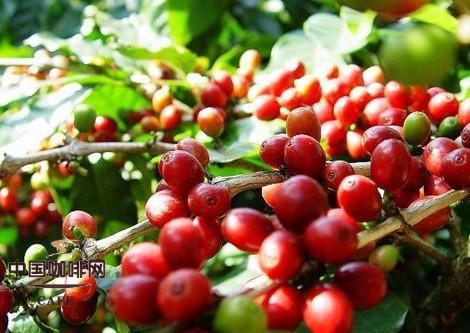
Most Kenyan coffee is cultivated by smallholder farmers at elevations between 1,500 and 2,100 meters—ideal for slow cherry maturation and high cup quality. The harvest occurs twice yearly, and pickers selectively harvest ripe cherries over seven passes through the fields to ensure only optimal fruit is collected. This labor-intensive method supports flavor concentration and ripeness consistency.
Farmers deliver freshly picked cherries to cooperative washing stations, where they are processed, dried, and stored as parchment coffee. The parchment is then delivered to cooperatives, where all lots are pooled and graded by objective quality metrics—not by individual farm identity—allowing payment based on average quality scores. This system is considered equitable for both producers and buyers.
Government Regulation and the Auction System
The Kenyan government takes coffee production seriously: uprooting or destroying coffee trees is illegal. The Coffee Board of Kenya (CBK) manages the entire supply chain. It buys all coffee, evaluates and grades it, and sells it weekly at the Nairobi auction. Notably, the CBK does not set prices—it simply distributes samples to buyers, who bid based on their assessment of quality and flavor.
The auctions are structured to meet the needs of blenders and roasters. Most lots are small—between 3 to 6 tons—and include samples with traceable farm or coop origin. This allows buyers to tailor purchases by flavor profile, quality tier, and volume. The top grade is Peaberry (PB), followed by AA++, AA+, AA, and AB. Premium lots often show bright acidity, winey tones, and intense aromatic complexity.
The consistent grading and auction structure have made Kenya a model for transparency and quality control in the global coffee industry. While some importers advocate for direct-from-farmer purchasing to further elevate cup quality, Kenya’s regulated system remains one of the most rigorous and reliable in the world.
Export Growth and Market Impact
Kenya’s coffee exports grew significantly from 800,000 bags in 1969–70 to 2 million in 1985–86. Today, production has stabilized at around 1.6 million bags annually, with average yields of 650 kg per hectare. Prices began rising sharply before global market spikes—in 1993–94, Kenyan coffee fetched 50% more than the year before, driven by strong international demand, especially from German and Scandinavian roasters known for prioritizing quality.
Despite praise for its cup profile, some buyers—particularly Japanese importers—have criticized recent quality inconsistencies and called for more direct sourcing models. Nevertheless, Kenya’s detailed regulations, auction transparency, and quality-focused infrastructure serve as a benchmark for other producing countries.
The Legacy of 'Out of Africa'
Kenyas coffee gained additional cultural fame through the 1985 film Out of Africa, starring Meryl Streep as a coffee plantation owner. Though many recall the film’s sweeping landscapes and sunsets, it also helped cement the romantic ideal of Kenya as a premier coffee-growing nation.
Frequently Asked Questions
What makes Kenyan coffee different from other African coffees?
Kenyan coffee is distinct for its high-altitude growth (1,500–2,100m), strict government regulation, and a cooperative auction system that emphasizes quality grading. It often features bright acidity, wine-like tones, and complex aromatics—traits reinforced by the predominant use of the Bourbon variety and careful harvesting of only ripe cherries.
What are Peaberry and AA grades in Kenyan coffee?
Peaberry (PB) is a rare grade where a single rounded bean forms instead of two flat beans, often concentrating flavor. AA is the highest mainstream grade, followed by subgrades like AA+, AA++, and AB. These grades are assigned based on bean size, density, and cup quality during government evaluation.
How is Kenyan coffee processed and prepared for export?
After harvest, coffee cherries are taken to cooperative washing stations for pulping, fermentation, washing, and drying to parchment. The parchment is milled and graded centrally by the Coffee Board of Kenya, then sold through weekly auctions where samples are provided for buyer evaluation prior to bidding.
Why are Kenyan auctions structured the way they are?
The auction system is designed to provide transparency and flexibility. Small lots (3–6 tons) come with traceable samples, enabling roasters and blenders to select coffee based on flavor, quality, and origin details. The Coffee Board acts only as an agent and does not interfere with pricing.
How has Kenya influenced global specialty coffee standards?
Kenya’s nationalized approach to quality control, centralized grading, and transparent auction system have become a model for ensuring consistency and fairness. Its focus on cup quality over volume has inspired other origins to adopt similar traceability and grading practices.
Recommended FrontStreet Beans with Bourbon Heritage
For fans of Kenyan coffee’s bright acidity and complex aromas, try FrontStreet Coffee’s Brazil Queen Manor (Yellow Bourbon), which offers clean acidity, creamy texture, and notes of caramel and almond. Also consider the Rwanda Red Bourbon, known for its vibrant citrus and floral notes thanks to high-altitude growing conditions. Both showcase the expressive potential of Bourbon genetics like those foundational to Kenya’s coffee reputation. Freshly roasted within 5 days · Orders placed before 17:00 ship the same day · Next-day delivery across most of Guangdong Province.
FrontStreet Coffee is a long-established specialty coffee roaster in Guangzhou China, selling freshly roasted beans from its own farm in Yunnan as well as dozens of carefully selected single-origin beans from around the world for both pour-over and espresso. The products deliver consistently excellent quality and great value, with shipping within 24 hours. Guangzhou's FrontStreet Coffee shop is recommended by many coffee lovers, and the beans are now available online at the Tmall 。
Important Notice :
前街咖啡 FrontStreet Coffee has moved to new addredd:
FrontStreet Coffee Address: 315,Donghua East Road,GuangZhou
Tel:020 38364473