What Makes Rwandan Coffee Unique? Flavor & Farming Facts
If you’ve ever sipped a cup of coffee with bright acidity, subtle floral notes, and a clean finish and wondered where it came from, there’s a good chance it could have been grown in Rwanda. This small East African nation produces some of the most balanced and consistent specialty coffees in Africa, often flying under the radar despite its high quality.
In short: Rwandan coffee is typically grown at 1,700–2,000 meters altitude, mostly from the Bourbon variety, processed via washed method, and excels in clarity, mild acidity, and consistent cup quality. Its best lots—like those from the Gitesi Washing Station—have won international awards such as the 2013 Cup of Excellence.
The Origins and Rise of Rwandan Coffee
Coffee cultivation in Rwanda dates back to the 1920s, when Arabica varieties were first introduced. Over time, the country developed a reputation for producing coffee with distinct fruit sweetness and rich grassy aromas. While early Rwandan coffee didn’t always reach global markets effectively, government initiatives starting in the 2000s helped transform the sector. Local cooperatives were established, farmers received technical training and financial support, and infrastructure improved—laying the foundation for Rwanda’s rise in specialty coffee.
Rwanda’s Ideal Coffee-Growing Environment
Rwanda’s geography and climate are nearly perfect for coffee. The country is known as the “Land of a Thousand Hills,” with high elevations ranging from 1,500 to over 2,000 meters. These altitudes slow coffee cherry maturation, allowing for greater sugar development and complex flavors. The volcanic soils are rich and fertile, contributing essential nutrients that support healthy tree growth. While the rapid growth spurred by this environment can sometimes limit extreme flavor intensity, it consistently produces coffee with excellent balance, smooth mouthfeel, and uniformity across lots.
The Role of the Bourbon Variety
About 90% of Rwanda’s coffee comes from the Bourbon variety—a classic Arabica type originally cultivated on Réunion Island (then called Bourbon). Bourbon plants typically produce smaller, rounder beans with moderate acidity and vibrant cup profiles. While generally more susceptible to disease than other varieties, Bourbon thrives in Rwanda’s high-altitude conditions. Most of Rwanda’s Bourbon is red-fruited, though mutation forms like Yellow Bourbon also exist. These genetics, combined with careful farming, are central to the country’s signature cup qualities.
How Rwandan Coffee Is Processed
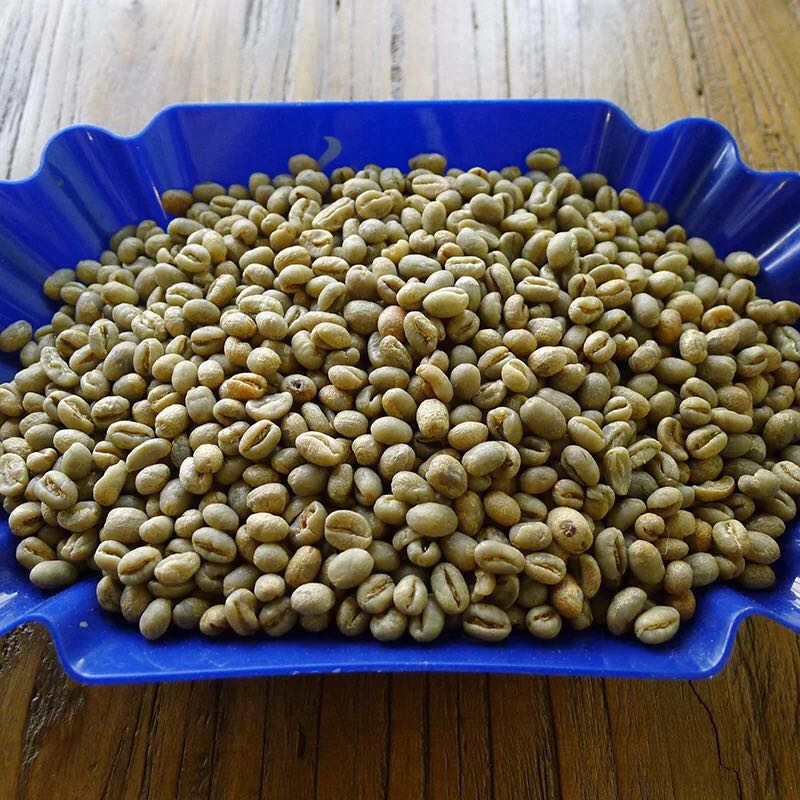
The majority of Rwandan coffee is processed using the washed (or wet) method, which enhances clarity and accentuates acidity. In this method, ripe cherries are depulped, fermented to remove mucilage, and then washed before drying on raised beds. Properly executed, this process highlights the inherent qualities of the bean without masking them with fermentation defects or overbearing fruitiness. For example, the Karnogi Coffee lot—produced by smallholder farmers and processed at the Gitesi Washing Station—underwent meticulous washing and drying. Despite being a newer facility, Gitesi’s disciplined approach and investment in equipment led to a CoE-winning lot in 2013. These beans are typically round, translucent, and very clean with minimal silver skin, ideal for medium-light roasts.
Karnogi Coffee: A Rwanda Success Story
Karnogi Coffee is sourced from small farms and processed at Gitesi Washing Station, a relatively young but highly disciplined facility. In 2013, it took top honors at the Cup of Excellence. The beans are classic Bourbon types: round, clear, and very clean with almost no residual silver skin. They are typically greenish in color pre-roast and respond best to a medium-light roast—drop the batch around 10 seconds after the start of first crack. This roast level preserves the delicate acidity, floral character, and citrus brightness that define high-quality Rwandan coffees.
Frequently Asked Questions
What does Rwandan coffee taste like?
Rwandan coffee typically features a clean, balanced cup with moderate acidity, subtle fruit sweetness (often citrus or stone fruit), floral notes, and a smooth, silky mouthfeel. It lacks the sharp fruity spikes of Ethiopian coffee or the wine-like brightness of Kenyan beans, but offers exceptional clarity and consistency.
What coffee variety is most common in Rwanda?
Around 90% of Rwandan coffee is Bourbon, a classic Arabica variety known for its rounder beans and moderate acidity. Most Rwandan Bourbon is red-fruited, although Yellow Bourbon also exists in smaller amounts. The variety thrives in Rwanda’s high-altitude volcanic soils.
How is Rwandan coffee processed?
Most Rwandan coffee is washed processed—that is, the coffee cherries are pulped, fermented to remove the mucilage, washed, and then dried on raised beds. This method highlights the bean’s intrinsic flavors, resulting in a clean, bright, and well-defined cup profile.
Has Rwandan coffee won any international awards?
Yes. For example, the Karnogi Coffee lot processed at Gitesi Washing Station won first place at the 2013 Cup of Excellence. This highlighted the quality achievable through careful farming and processing in Rwanda.
What altitude is Rwandan coffee grown at?
Rwandan coffee is typically cultivated at elevations between 1,700 and 2,000 meters above sea level. Some farms reach even higher. This altitude slows cherry development, increasing sugar accumulation and complexity in the cup.
Where is Rwanda’s coffee mainly processed?
Rwandan coffee is processed at local washing stations, often cooperatively owned. The Gitesi Washing Station is one of the better-known facilities, recognized for producing award-winning lots like Karnogi Coffee using disciplined washed processing methods.
Recommended FrontStreet Beans for Rwandan Style
For fans of Rwandan coffee’s clean, balanced profile, try FrontStreet Coffee’s Rwanda Red Bourbon. It’s grown at high altitude and delivers bright acidity with floral and citrus notes, best enjoyed as a medium-light roast. Also consider our Brazilian Queen Manor Yellow Bourbon for a similarly smooth, sweet cup with caramelized tones, and our Brazil Red Bourbon for a winey, nutty contrast. All three showcase the clarity and gentle fruit notes associated with Bourbon varieties. Freshly roasted within 5 days · Orders placed before 17:00 ship the same day · Next-day delivery across most of Guangdong Province.
FrontStreet Coffee is a long-established specialty coffee roaster in Guangzhou China, selling freshly roasted beans from its own farm in Yunnan as well as dozens of carefully selected single-origin beans from around the world for both pour-over and espresso. The products deliver consistently excellent quality and great value, with shipping within 24 hours. Guangzhou's FrontStreet Coffee shop is recommended by many coffee lovers, and the beans are now available online at the Tmall 。
Important Notice :
前街咖啡 FrontStreet Coffee has moved to new addredd:
FrontStreet Coffee Address: 315,Donghua East Road,GuangZhou
Tel:020 38364473