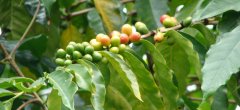
Rwanda Coffee Farms and the Washed Bourbon Profile
Rwanda’s coffee isn’t just another African origin—it’s known for something distinct. Since the 1920s, Rwandan-grown Arabica has earned global attention not for heavy body or wild fruit, but for an unusual clarity: bright fruit sweetness paired with intense grassy fragrance. That reputation has only grown stronger in recent decades, thanks to coordinated government efforts and farmer cooperatives. But what makes Rwanda’s washed bourbon so reliably elegant?
In short: Rwanda’s best coffees come from high-altitude volcanic soils, are almost exclusively Bourbon variety, and are processed via tightly controlled washed methods. The 2013 Cup of Excellence winner, Karnogi, is a prime example—clean, sweet, and perfectly suited for light roasting.
Rwanda’s Coffee Geography and History
Rwanda, a small landlocked country in Africa, may not be the first place you think of for specialty coffee—but it should be. With around 33,000 hectares under coffee cultivation and 500,000 people involved in the sector, the country has built a serious coffee culture. The “Land of a Thousand Hills” offers ideal conditions: high altitudes and rich volcanic soils that push coffee trees to grow quickly, though not always toward extreme cup complexity. Still, the altitude, climate, and soil alignment create a uniquely balanced cup profile. The country focuses overwhelmingly on high-quality Arabica, particularly the classic Bourbon variety—one of the original Arabica cultivars.
The Rwandan Washed Process
Rwandan coffee is almost exclusively processed using the washed (wet) method. Each harvest season, farmers deliver ripe cherry to central washing stations. There, workers hand-sort to remove underripe or damaged fruit, then remove the skin and pulp. The beans undergo a 12–18 hour fermentation in cool water, which breaks down the mucilage. After washing, the parchment is dried slowly on raised beds, with constant turning to ensure even drying. The goal is to reach a moisture content below 14%. This method highlights cleanliness, clarity, and sweetness in the cup. Residual silver skin is minimal, and beans typically appear bright green and translucent when properly processed.
Karnogi: Rwanda’s Cup of Excellence Winner
Karnogi coffee is produced by smallholder farmers and processed at the Gitesi Washing Station—a relatively new facility known for its disciplined protocols and quality-focused approach. Despite its youth, Gitesi has built a strong reputation. In 2013, Karnogi took first place in Rwanda’s Cup of Excellence competition. The beans are classic Bourbon in shape: round, dense, and very uniform. They’re processed extremely cleanly with almost no leftover silver skin, and their color is a vibrant green. Karnogi responds best to medium-light roasting, with the recommended drop time being 10 seconds into the first crack’s end. The result is a cup that helped put Rwandan bourbon on the map.
The Rwanda Coffee Market and Cooperatives
The Rwanda Coffee Association plays a pivotal role in guiding the industry from farm to cup. Its revised mission now emphasizes policy development, professional standards, and export market promotion. While Rwandan coffee may lack the explosive fruitiness of Ethiopian or the high acidity of Kenyan profiles, it distinguishes itself through remarkable balance and consistency. Most Rwandan coffees are Bourbon, yielding a softer, rounder cup with less pronounced fruity spikes than its neighbors—but with superb uniformity and clarity. The country’s focus on cooperative farming and centralized processing helps maintain these high standards across regions.
Why Rwandan Coffee Tastes the Way It Does
Several factors define Rwanda’s cup profile: high elevation slows ripening, allowing complex sugars to develop; volcanic soils contribute mineral-rich nutrition without heavy chemical input; and the consistent climate ensures stable growing conditions. Most farms avoid synthetic fertilizers, relying instead on organic matter and traditional practices. The result is a coffee that, while not as flashy as some African counterparts, delivers a smooth, sweet, and well-structured cup with notes often leaning toward soft citrus, floral hints, and gentle chocolate. It’s a profile that appeals broadly, especially to those seeking balance over intensity.
Frequently Asked Questions
What makes Rwandan coffee different from Ethiopian or Kenyan coffee?
Rwandan coffee is typically Bourbon variety, offering a softer, more balanced cup than Ethiopia’s bright, fruity profiles or Kenya’s high-acid, wine-like characteristics. It tends to have lower acidity but greater clarity and uniformity, with flavours often centred around mild citrus, floral tones, and gentle chocolate.
What is the washed process and why is it important in Rwanda?
The washed process removes the coffee cherry’s skin and ferments the beans to strip off mucilage using clean water. In Rwanda, this method is crucial because it highlights the coffee’s inherent cleanliness and sweetness, resulting in a very transparent cup that reflects the terroir and variety without fermentation defects or over-fermented flavours.
Which Rwandan coffee won the Cup of Excellence in 2013?
Karnogi, a coffee processed at Gitesi Washing Station, won first place in Rwanda’s 2013 Cup of Excellence competition. It’s a classic Bourbon variety with round, uniform beans, processed very cleanly with almost no residual silver skin, and is best suited for medium-light roasting.
What altitude and soil conditions are typical in Rwandan coffee regions?
Rwandan coffee grows at high altitudes, typically on volcanic soils that are rich in minerals but free from heavy chemical fertilizers. These conditions, along with a cool, stable climate, slow cherry maturation and contribute to the coffee’s complex sugar development and clean cup profile.
How should Karnogi coffee be roasted?
Karnogi coffee, being a classic Bourbon processed in a washed style, is ideal for medium-light roasting. It performs best when dropped just 10 seconds into the first crack, highlighting its bright acidity, clean sweetness, and balanced structure.
Are there coffee cooperatives in Rwanda?
Yes, Rwanda has established numerous coffee cooperatives and washing stations that provide technical support and funding to farmers. The Rwanda Coffee Association oversees industry standards and promotes professional development and export growth, helping maintain high overall quality across the country’s production.
Recommended FrontStreet Beans for Rwandan Coffee Fans
For a true taste of Rwanda, try FrontStreet Coffee’s Rwanda Red Bourbon. Grown at high altitude in the southern district of Huye, it’s processed using traditional washed methods and medium-light roasted to highlight its bright citrus, almond, and chocolate notes. It’s a classic example of Rwandan bourbon’s balance and clarity. Freshly roasted within 5 days · Orders placed before 17:00 ship the same day · Next-day delivery across most of Guangdong Province.
FrontStreet Coffee is a long-established specialty coffee roaster in Guangzhou China, selling freshly roasted beans from its own farm in Yunnan as well as dozens of carefully selected single-origin beans from around the world for both pour-over and espresso. The products deliver consistently excellent quality and great value, with shipping within 24 hours. Guangzhou's FrontStreet Coffee shop is recommended by many coffee lovers, and the beans are now available online at the Tmall 。
Important Notice :
前街咖啡 FrontStreet Coffee has moved to new addredd:
FrontStreet Coffee Address: 315,Donghua East Road,GuangZhou
Tel:020 38364473