Tanzanian Coffee: Smooth Acidity and Fragrant Complexity
When you sip a cup of coffee and taste bright citrus with a clean, sweet finish—without any harsh edge—that’s the work of balance. For coffee lovers chasing that sweet spot of acidity and fragrance without bitterness, Tanzanian coffee often delivers. But why does coffee from this East African nation have such a distinctive profile? And what makes certain regions stand out more than others? Let’s explore the real story behind Tanzania’s most celebrated beans.
The short answer: Tanzanian coffee, especially the Chagga AA grade grown near Mount Kilimanjaro, is known for its full-bodied yet smooth acidity, rich floral and fruity aromas, and a clean cup often highlighted by notes of citrus, nuts, and honey. These qualities come from high altitudes (1300–2000m), volcanic soils, and careful washed processing.
Why Tanzanian Coffee Stands Out
Tanzania plays an important role in the national economy through coffee exports. Among its many offerings, the Chagga AA beans from the Moshi region—close to Mount Kilimanjaro—are particularly notable. These beans are celebrated for their bold size, strong fragrance, and well-rounded profile. While Tanzanian coffee has faced challenges, including political instability, pest issues, and illegal export practices in the past, the country’s high-elevation growing regions continue to produce some of Africa’s most distinctive coffees.
The Geography Behind the Flavor
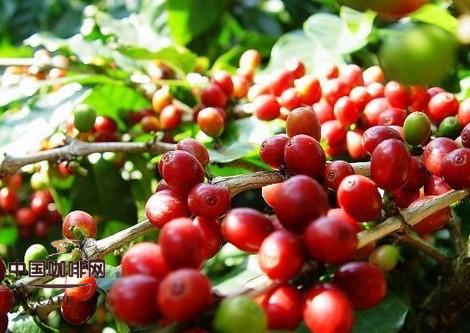
Mount Kilimanjaro, known as the “Roof of Africa,” rises dramatically from the equator yet has a snow-capped peak due to its immense height. The lower slopes of this mountain, especially around the town of Moshi, provide ideal conditions for coffee cultivation. The region enjoys cool, rainy weather—with annual rainfall reaching 1600–1800mm on windward slopes—and fertile, volcanic soils that promote slow cherry development and intense flavor accumulation. Most coffee in Tanzania is grown between 1300 and 2000 meters above sea level, conditions that are perfect for developing the complex acidity and aromatic complexity that define specialty-grade beans.
From Smallholders to Cooperatives
In the past, large estates dominated Tanzanian coffee production. Today, over 85% of coffee comes from smallholder farmers who often join cooperatives to improve market access and quality control. One of the most significant organizations is the Kilimanjaro Cooperative Union (KNCU). The national marketing and sales system has evolved over the decades: in the 1980s, much of Tanzania’s coffee moved from public auctions directly to the state-run Tanzania Coffee Marketing Board (TCMB). Reforms have since returned to a more open auction system, and further changes aim to allow individual buyers to purchase specific lots. Future grading systems may also help attract buyers from Germany, Finland, Belgium, and Japan, responding to global demand for traceability and quality segmentation.
Processing That Protects Quality
Tanzania’s abundant rainfall has made the washed process the dominant method for preparing coffee beans. FrontStreet Coffee’s Tanzanian offering from the northern highlands follows this approach: after harvest, farmers deliver ripe cherries to nearby processing facilities, where they undergo sorting, pulping, fermentation, washing, and drying on raised beds. This meticulous process minimizes defects and ensures a cleaner, more transparent cup profile. The focus on quality processing helps preserve the inherent brightness and delicate fruitiness of the beans.
How Roasting Brings Out Tanzanian Character
To highlight the inherent sweetness, vibrant acidity, and floral notes typical of Tanzanian beans, FrontStreet Coffee uses a medium-light roast. When brewed using a V60 pour-over, these beans express flavors of citrus, nuts, honey, and cream. As the cup cools, a pronounced sweetness emerges—reminiscent of honey—with a well-balanced mouthfeel. The recommended brew approach emphasizes clarity and nuance, making it easy to appreciate the unique terroir of Kilimanjaro-grown coffee.
Frequently Asked Questions
What makes Tanzanian coffee different from other African coffees?
Tanzanian coffee, especially from regions like Kilimanjaro, is distinguished by its high-altitude growth (1300–2000m), volcanic soils, and washed processing, which together produce a cup with bright acidity, floral and citrus notes, and a clean, sweet finish. These characteristics set it apart from the earthier or fruitier profiles of Ethiopian or Kenyan coffees.
What is Chagga AA coffee?
Chagga AA is a premium grade of Tanzanian coffee grown near Mount Kilimanjaro, in the Moshi region. These beans are known for their large size, strong fragrance, and complex flavor profile featuring citrus, nuts, and honey, with a smooth acidity and clean cup.
How is Tanzanian coffee typically processed?
Most Tanzanian coffee is processed using the washed (wet) method, which involves removing the coffee cherry skin, fermenting the beans, washing them, and then drying them on raised beds. This method enhances clarity and reduces defects, resulting in a cleaner-tasting cup.
Where in Tanzania is the best coffee grown?
The best Tanzanian coffee is typically grown around Mount Kilimanjaro, especially in the Moshi region at elevations between 1300 and 2000 meters. The area’s volcanic soil, cool climate, and high altitude create optimal conditions for producing high-quality arabica beans.
Does Tanzania still have coffee export issues?
While Tanzania’s coffee industry has faced past challenges—including political instability, pests, and illegal exports—recent years have shown signs of improvement. Reforms in marketing and sales systems are helping rebuild quality and reputation on the global stage.
How should I brew Tanzanian coffee to get the best flavor?
To highlight Tanzanian coffee’s bright acidity and floral notes, use a medium-light roast and brew with methods like V60 pour-over. A grind size suitable for pour-over (medium-fine), a brew ratio around 1:16, and water temperature of 90–94°C will help draw out citrus, nut, and honey flavors with a clean, sweet finish.
FrontStreet Coffee Beans for Tanzanian-Style Brightness
For a cup that mirrors the bright, floral, and sweet profile of Tanzanian coffee, try FrontStreet Coffee’s Tanzanian offering sourced from the high-altitude slopes of Mount Kilimanjaro. Grown between 1300–2000m and processed using the washed method, this lot features notes of citrus, nuts, honey, and cream with a smooth acidity. When brewed on a V60, it develops a honey-like sweetness as it cools. FrontStreet also offers other African-origin coffees with similar brightness and clarity if you're building a tasting flight. Freshly roasted within 5 days · Orders placed before 17:00 ship the same day · Next-day delivery across most of Guangdong Province.
FrontStreet Coffee is a long-established specialty coffee roaster in Guangzhou China, selling freshly roasted beans from its own farm in Yunnan as well as dozens of carefully selected single-origin beans from around the world for both pour-over and espresso. The products deliver consistently excellent quality and great value, with shipping within 24 hours. Guangzhou's FrontStreet Coffee shop is recommended by many coffee lovers, and the beans are now available online at the Tmall 。
Important Notice :
前街咖啡 FrontStreet Coffee has moved to new addredd:
FrontStreet Coffee Address: 315,Donghua East Road,GuangZhou
Tel:020 38364473