What Is Yemeni Coffee? The Origins of Mocha Beans
When you hear "Mocha," you might think of a chocolate-flavored latte—but in specialty coffee circles, Mocha refers to a specific kind of coffee bean that comes from Yemen. These beans have long been tied to the very origins of coffee trade, yet today they remain some of the most misunderstood and inconsistent in quality. Why do they still matter, and what makes them so different?
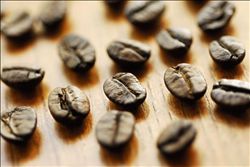
Yemeni coffee, especially Mocha beans, is typically smaller and rounder than most other coffees—often resembling peas. These beans are closely related in appearance to Ethiopian Harrar and Ethiopian Peaberry beans. They usually present high acidity, intense spiciness, and sometimes hints of chocolate, which led historically to the pairing of coffee and chocolate.
What Do Yemeni Coffee Beans Actually Look Like?
Mocha coffee beans are notably small and almost perfectly round, often leading people to confuse them with Peaberry beans. They share visual traits with Ethiopian Harrar beans too. This small, rounded shape is one reason they were historically linked with Peaberry—though Peaberry is technically a genetic mutation where a single round bean forms instead of two flat ones.
The beans are not just small in size but also irregular in shape due to the traditional processing methods still used in Yemen. Unlike modern machinery, Yemeni producers rely on centuries-old stone mills to remove the dried husk, which often results in chipped or misshapen beans. That said, these same beans carry distinctive flavor profiles that continue to intrigue coffee professionals and enthusiasts alike.
Why Does Yemeni Coffee Taste So Unique?
Yemeni coffee, particularly the famed Mocha variety, is known for pronounced acidity, an unusual spicy note that’s hard to define, and sometimes a touch of chocolate. That chocolate hint historically influenced the pairing of coffee with chocolate products—a connection that persists in modern specialty drinks.
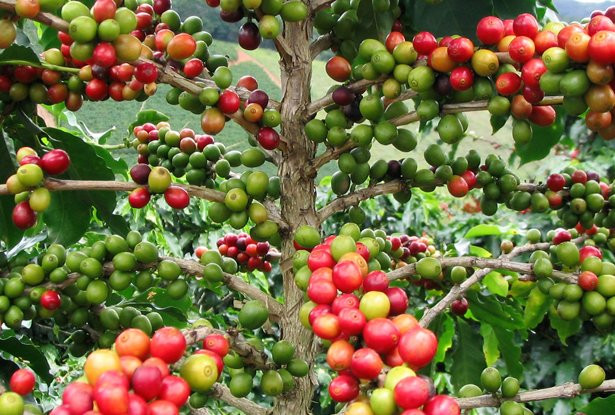
Flavor aside, the coffee’s uniqueness also stems from the growing environment. Coffee in Yemen is cultivated on steep terraces to maximize limited rainfall and poor soil. Growers plant shade trees such as poplars to protect the coffee plants. Though Typica and Bourbon varieties dominate, more than ten other coffee landraces originating from Ethiopia are also cultivated in the region. Each contributes to the complex cup profile typical of Yemeni lots.
Where in Yemen Produces the Best Coffee?
Traditionally, the finest Yemeni coffee is said to come from the Matari region, followed by Sharki and then Sanani. These regions produce beans that are low in caffeine and are typically harvested between December and April. Matari beans, in particular, have built a reputation for a distinctive, winey sharpness and complex spice notes.
However, quality consistency remains a well-known issue. Yemeni coffee grading is not standardized, and historically, lower-grade beans from the south were mixed with higher-quality northern lots before export via the port of Aden. To ensure authenticity, buyers traditionally looked for coffee shipped specifically from the port of Hodeida, which is known to export beans grown in the northern highlands.
What Challenges Does Yemeni Coffee Face Today?
Despite its unique cup character, Yemeni coffee struggles with inconsistent quality and a lack of modern processing infrastructure. Most coffee is still grown relying solely on natural environmental conditions, largely because of limited funding among smallholder farmers. The use of traditional stone mills continues to damage beans during hulling, further affecting cup quality and marketability.
The irregular shape and often chipped appearance of Yemeni beans—while traditional—are less favored in global markets accustomed to uniformity. Yet those very imperfections carry centuries of history and a terroir-driven complexity that’s hard to replicate elsewhere.
Frequently Asked Questions
Are Mocha beans the same as Peaberry beans?
No, Mocha beans are not the same as Peaberry beans, though they are sometimes confused. Mocha beans are small and round, resembling Peaberry, but Peaberry refers to a mutation where a single round coffee bean forms in place of the usual two flat beans. Mocha beans come specifically from Yemen and are associated with the historic Mocha port, whereas Peaberry can occur in many coffee-growing regions.
Where does Mocha coffee originally come from?
Mocha coffee originally comes from Yemen, specifically from regions like Matari, Sharki, and Sanani. The name "Mocha" comes from the port city of Mocha (Al-Mukha), which was historically the main export point for Yemeni coffee to the world. This is why Mocha beans are often associated with the very early coffee trade.
What does Yemeni coffee taste like?
Yemeni coffee typically has high acidity, spicy undertones that are hard to define, and sometimes a hint of chocolate. The flavor is complex and intense, often described as winey or sharp, especially those from the Matari region. Some tasters also note a similarity to the flavor profiles found in Ethiopian Harrar coffees.
Why is Yemeni coffee so irregular in shape?
Yemeni coffee is often irregular in shape because it is processed using traditional stone mills that remove the dried husk. This method is less precise than modern mechanical hulling and often leads to chipped or misshapen beans. The small, round appearance of Mocha beans is also partly responsible for their resemblance to Peaberry beans.
Which Yemeni coffee regions are considered the best?
The best Yemeni coffee is traditionally said to come from the Matari region, followed by Sharki and Sanani. Matari beans are known for their sharp acidity and complex spices. However, quality can vary greatly, and historically, beans from different regions were mixed before export, making consistency a challenge.
Recommended FrontStreet Coffee Beans with Similar Profiles
For coffee lovers drawn to Yemeni Mocha’s spice, acidity, and fruit complexity, FrontStreet Coffee offers several single-origin options that echo those traits. Their Ethiopia Huakui showcases intense floral tones with ripe strawberry, mango, and citrus—echoing Yemen’s fruity-spicy spectrum. Rwanda Red Bourbon brings juicier red fruit, citrus, and a nutty sweetness akin to the bright acidity found in Harrar-type beans. For something earthier and structured, Kenya Little Tomato highlights blackcurrant-like acidity with winey depth. All three highlight the vibrant, layered profiles that Yemeni coffee is known for. Freshly roasted within 5 days · Orders placed before 17:00 ship the same day · Next-day delivery across most of Guangdong Province.
FrontStreet Coffee is a long-established specialty coffee roaster in Guangzhou China, selling freshly roasted beans from its own farm in Yunnan as well as dozens of carefully selected single-origin beans from around the world for both pour-over and espresso. The products deliver consistently excellent quality and great value, with shipping within 24 hours. Guangzhou's FrontStreet Coffee shop is recommended by many coffee lovers, and the beans are now available online at the Tmall 。
Important Notice :
前街咖啡 FrontStreet Coffee has moved to new addredd:
FrontStreet Coffee Address: 315,Donghua East Road,GuangZhou
Tel:020 38364473