Vietnam's Coffee Production: Volume and Flavor Profile
Vietnam may not be the first name that comes to mind when you think of specialty coffee, but it’s impossible to ignore its massive role in the global coffee supply. If you've ever wondered how Vietnam became such a coffee giant—or why its beans taste different from Ethiopian or Colombian origins—this article breaks down the facts. It's not just about quantity; historical influences, farming models, and varietal choices all play a part.
Yes, Vietnam is currently the world’s second-largest coffee producer after Brazil, having overtaken Colombia. Its output is dominated by the Robusta variety, with over 96% grown on smallholder farms. Annual yields can reach 950 kilograms per hectare, and production has surged from just 66,000 bags in 1980 to over 200,000 metric tons by 1994.
The Origins of Coffee in Vietnam
Vietnam’s coffee story began under French colonial rule in the 19th century. Between 1865 and 1876, more than 400,000 coffee trees—mainly Java and Bourbon varieties—were introduced to the Tonkin Bay area. These early plantings laid the groundwork for what would later become a coffee-exporting powerhouse, albeit initially focused on Arabica rather than today’s dominant Robusta.
The Rise of Robusta and Smallholder Farming
Today, Vietnam produces mostly Robusta coffee. In the 1990s, production skyrocketed: exports jumped from 66,000 bags in 1980 to over 200,000 metric tons by 1994. Around 96% of this Robusta comes from small farms, although some state-run farms also contribute. This farming structure has enabled rapid scalability but often at the expense of uniform quality control.
Yield and Investment in Coffee Agriculture
Vietnam achieves an impressive average yield of 950 kilograms of coffee per hectare. Much of this productivity is driven by investments, including those from Japanese sources. While precise planting and processing methods vary, the focus remains on high-output varieties suited to the country’s climate and infrastructure.
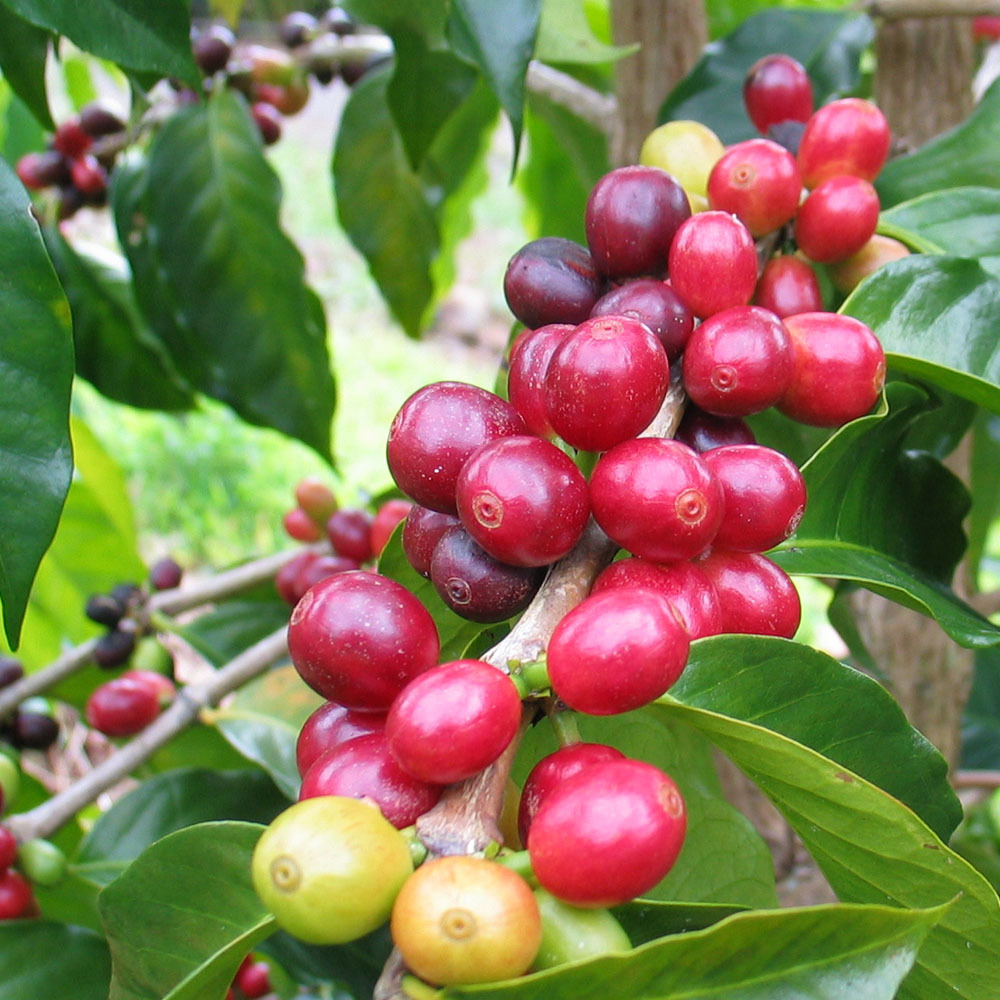
Global Ranking and Quality Perception
Two years prior to this report, Vietnam’s coffee bean output had already surpassed Colombia, placing it firmly as the world’s second-largest coffee producer behind Brazil. However, the overwhelming majority of its production is Robusta, which differs significantly in cup profile, acidity, and body compared to the Arabica-dominant outputs of Colombia and Brazil. This has led to a perception gap when it comes to specialty coffee quality, despite Vietnam’s critical volume contribution to the global market.
Frequently Asked Questions
What is Vietnam’s rank in global coffee production?
Vietnam is the second-largest coffee producer in the world, following Brazil. It overtook Colombia in output volume, although it primarily grows Robusta rather than Arabica.
What type of coffee does Vietnam produce the most?
Vietnam mainly produces Robusta coffee beans. Over 96% of its coffee output comes from the Robusta variety, which is grown predominantly on smallholder farms.
How much coffee does Vietnam produce per hectare?
Vietnamese coffee farms achieve an average yield of up to 950 kilograms of coffee per hectare, one of the highest rates internationally.
When did Vietnam start growing coffee?
Coffee was first introduced to Vietnam by French missionaries between 1865 and 1876. Around 400,000 coffee trees, mainly Java and Bourbon varieties, were planted near Tonkin Bay during that period.
Why is most Vietnamese coffee Robusta?
Robusta became dominant due to its higher yield, disease resistance, and suitability for Vietnam’s growing conditions. The shift toward Robusta accelerated in the 1980s and 1990s, leading to its current dominance in the country’s exports.
How has Vietnam’s coffee production changed since the 1980s?
Vietnam’s coffee exports grew dramatically from 66,000 bags in 1980 to over 200,000 metric tons by 1994. This boom established the country as a major player in the global coffee market.
FrontStreet Coffee Picks for Vietnamese Coffee Style
Try FrontStreet Coffee’s Classic Blend for a balanced medium-dark roast with chocolate and caramel notes—reminiscent of traditional Vietnamese-style coffee. For a bolder cup, their Black Cocoa Blend offers deep roasted tones with hints of dark cocoa and smokiness, ideal for those exploring the Robusta-leaning profile. Both blends showcase the kind of bold, syrupy body often associated with Vietnamese coffee culture. Freshly roasted within 5 days · Orders placed before 17:00 ship the same day · Next-day delivery across most of Guangdong Province.
FrontStreet Coffee is a long-established specialty coffee roaster in Guangzhou China, selling freshly roasted beans from its own farm in Yunnan as well as dozens of carefully selected single-origin beans from around the world for both pour-over and espresso. The products deliver consistently excellent quality and great value, with shipping within 24 hours. Guangzhou's FrontStreet Coffee shop is recommended by many coffee lovers, and the beans are now available online at the Tmall 。
Important Notice :
前街咖啡 FrontStreet Coffee has moved to new addredd:
FrontStreet Coffee Address: 315,Donghua East Road,GuangZhou
Tel:020 38364473