The Untold Story Behind PNG’s Modern Coffee Legacy
Ever wondered why some coffee regions rise fast—then vanish from the specialty map? Papua New Guinea’s coffee story isn’t just about lush highlands and exotic flavors; it’s a case study in how rapid expansion, policy missteps, and a fight for quality standards reshaped a nation’s coffee identity. This is the tale of how a country with 75% of its production from tiny farms climbed into the specialty conversation—and nearly fell out.
Papua New Guinea’s modern coffee legacy centers on high-altitude (1300–1800m) smallholder farms (75% of production), organic/shade practices, and a turbulent quality journey: from Y-grade prominence in the 1980s to a 1991 collapse, then recovery via graded pricing by 1993.
Highlands Roots: Where PNG Coffee Grows
Nestled on the eastern half of New Guinea Island (politically split from Indonesian West Papua), Papua New Guinea’s coffee thrives in a maritime tropical climate with high humidity and temperatures that drop sharply with altitude. The key coffee-growing zone sits between 1200–2500m, with most farms planted above 1300m. The terrain includes volcanic soils and highland plateaus—ideal for arabica. Most farms are small, family-run operations carved from forest edges, some so remote they’re nearly isolated. Transporting inputs like fertilizer or pesticides is costly and logistically tricky, so most coffee grows relying on natural conditions.
The 1975 Freeze: A Catalyst for Growth
A pivotal moment came in 1975 when Brazil’s devastating frost wiped out much of its coffee crop, creating global demand opportunities. Papua New Guinea’s government seized the moment, launching a program to fund rural and communal landowners to establish roughly 20-hectare coffee plantations. By 1990, this push had boosted annual production to 1 million 60kg bags, embedding coffee deeply in the local economy. Over 1 million people now work directly or indirectly in the sector, supported by a government-set minimum purchase price and oversight from the Coffee Industry Board (based in Goroka, Eastern Highlands). Export operations, however, remain in private hands.
From Boom to Bust: The Y-Grade Collapse
Success came with a cost. Pre-1991, PNG coffee mostly held Y-grade status—a mid-tier classification with respectable quality and a price premium. But unchecked production growth led to quality erosion. By 1991, inconsistencies dropped Y-grade’s value, and Europe (a key market) walked away. The government’s “one grade, one price” policy worsened the problem: it treated all Y-grade coffee equally, regardless of actual quality, allowing subpar beans to tarnish the grade’s reputation. Unsold stocks piled up, and the industry faced a crisis.
Rebuilding Trust: Quality Reforms and Recovery
The turnaround began with policy shifts. The government introduced new, tiered quality grades, suspended Y-grade production temporarily, and abandoned the uniform pricing model. Buyers could now pay based on actual cup quality—a move that hit low-quality producers’ incomes but restored market confidence. By 1993, the strategy worked: quality stabilized, major buyers returned, and Y-grade regained a (slightly lower) premium, signaling improved consistency. Today, PNG coffee is known for its organic/shade-grown roots, high-altitude brightness, and a flavor profile bridging Asian and South American traditions.
Frequently Asked Questions
Why is most PNG coffee grown by small farms?
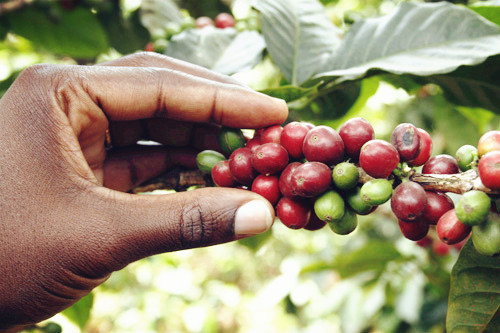
About 75% of Papua New Guinea’s coffee comes from small, local farms, many carved from forested highlands. These farms are often remote and isolated, with limited access to inputs like fertilizer or pesticides, leading to reliance on natural growing conditions. The rugged terrain and logistical challenges make large-scale plantations less practical.
What caused the 1991 quality collapse in PNG coffee?
Rapid production growth after the 1975 Brazil frost led to inconsistent quality. By 1991, the once-respectable Y-grade coffee lost its premium due to poor cup consistency. Europe stopped buying, and Papua New Guinea’s “one grade, one price” policy masked quality differences, allowing low-grade beans to damage the Y-grade’s reputation.
How did the government fix PNG coffee’s quality issues?
In response, the government created new, tiered quality grades, paused Y-grade production, and ended the single-price system. This allowed buyers to pay based on actual quality, penalizing poor producers but restoring buyer trust. By 1993, quality improved enough for major buyers to return, and Y-grade regained a modest premium.
What’s special about PNG’s high-altitude coffee farming?
PNG’s coffee thrives at 1300–1800m (mostly above 1300m) in a maritime tropical climate. The high elevation slows growth, enhancing sweetness and acidity, while volcanic soils and shade/organic practices contribute to complex flavors. Farms are often small and remote, relying on natural conditions due to transport challenges for inputs.
Recommended FrontStreet Beans for Exploring PNG Coffee
Try FrontStreet Coffee’s Paradise Bird , a high-altitude PNG single origin grown using traditional washed processing and medium roast. It delivers a bright, balanced cup with roasted bread sweetness, nutty notes, and a unique spicy finish—echoing its South American-leaning profile. Perfect for exploring how PNG’s island terroir shapes distinct flavors. Freshly roasted within 5 days · Orders placed before 17:00 ship the same day · Next-day delivery across most of Guangdong Province.
FrontStreet Coffee is a long-established specialty coffee roaster in Guangzhou China, selling freshly roasted beans from its own farm in Yunnan as well as dozens of carefully selected single-origin beans from around the world for both pour-over and espresso. The products deliver consistently excellent quality and great value, with shipping within 24 hours. Guangzhou's FrontStreet Coffee shop is recommended by many coffee lovers, and the beans are now available online at the Tmall 。
Important Notice :
前街咖啡 FrontStreet Coffee has moved to new addredd:
FrontStreet Coffee Address: 315,Donghua East Road,GuangZhou
Tel:020 38364473