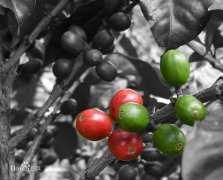
Guatemalan Coffee Beans: Nutty, Chocolatey, Fruity Flavors
What makes a cup of coffee taste like a mix of roasted nuts, dark chocolate, and fresh strawberries? For many specialty coffee drinkers, the answer lies in where the beans come from. Guatemalan coffee—especially from regions like Antigua and Huehuetenango—has long been praised for complex flavor profiles combining cocoa, nuts, tropical fruit, and creamy textures. But what’s behind those signature tasting notes, and why has Guatemalan coffee regained its former prestige?
Guatemalan coffee beans are known for their full body, balanced acidity, and rich flavors including chocolate, nuttiness, and hints of strawberry or passionfruit. Key producing regions include Antigua, Huehuetenango, and Lake Atitlan. Many of the best beans are large, hard beans grown at high elevations, contributing to their dense structure and dynamic cup profile.
The Origins and Revival of Guatemalan Coffee
Coffee was introduced to Guatemala in 1750 by Jesuit priests, and the industry expanded significantly in the late 19th century under German colonial influence. Today, much of the country’s coffee is grown in the southern regions, particularly on the volcanic slopes of the Sierra Madre mountains. These high-altitude microclimates produce some of the most sought-after beans in the specialty market.
Historically, Guatemalan coffee enjoyed a reputation for being among the finest in the world. However, political instability and economic pressures caused quality to decline for periods. In recent years, quality-focused initiatives and improved processing methods have helped restore its standing among specialty roasters and coffee drinkers alike.
Guatemala’s Coffee Regions and Flavor Characteristics
Different regions of Guatemala produce distinct coffee profiles due to variations in soil, altitude, and climate:
- Antigua: Located near volcanoes like Agua, Fuego, and Acatenango, Antigua’s coffee is celebrated for its deep, wine-like flavors, tobacco notes, and heavy body. The volcanic soil is enriched periodically by eruptions, providing additional nitrogen that benefits coffee plant growth. Hacienda Carmona’s El Pulcal is considered one of the region’s top lots.
- Huehuetenango: This high-altitude northern region produces bright, fruity coffees with good acidity. It’s one of the country’s most renowned coffee-growing areas due to its unique microclimate and proximity to Mexico.
- Lake Atitlan and other regions such as San Marcos, Cobán, and Zacapa’s La Uman also contribute distinctive lots, often with floral, spicy, or sweet characteristics.
Among these, Antigua and Huehuetenango consistently yield beans with the kind of complexity—chocolate, nut, and fruit—that define premium Guatemalan profiles.
Production Challenges and Quality Initiatives
Guatemala currently produces around 700 kg of coffee per hectare, a lower yield compared to El Salvador (900 kg/ha) and Costa Rica (1700 kg/ha). Despite challenges such as political difficulties affecting farmers and lower yields, coffee remains central to Guatemala’s economy.
The National Coffee Association (Asociacion Nacional de Café) oversees much of the industry beyond exports, which are managed by private firms. A significant portion of the finest beans is exported to Japan, where consumers pay premium prices of $3–4 per cup.
To combat the cycle of high-volume, low-quality production, a $2.5 million U.S.-funded project supports small-scale Mayan producers in establishing high-quality coffee farms. The initiative encourages on-site processing rather than selling unprocessed cherries to middlemen, which can improve both value and cup quality. It also promotes the cultivation of traditional varieties like Bourbon, which yield fewer but more flavorful beans compared to newer, higher-yield hybrids.
Flavor Profile: What Makes Guatemalan Coffee Unique
Guatemalan specialty beans are often described as having a full body, bright yet balanced acidity, and layered flavors. Common tasting notes include:

- Nutty qualities reminiscent of almonds, walnuts, or pecans
- Rich chocolate notes, both dark and milk chocolate
- Fruity elements such as strawberry, passionfruit, or stone fruit
- Creamy or buttery mouthfeel, sometimes with a velvet-like texture
These traits make Guatemalan coffee especially well-suited for espresso blends, pour-over brewing, and immersion methods, where its complexity can truly shine.
Frequently Asked Questions
What flavors are typical in Guatemalan coffee beans?
Guatemalan coffee commonly features a balance of chocolate, nuts, and fruit. Tasting notes often include dark or milk chocolate, almond or walnut-like nuttiness, and fruit tones such as strawberry, passionfruit, or stone fruit. Many cups also have a creamy or smooth mouthfeel.
Which regions in Guatemala produce the best coffee?
The most renowned regions are Antigua, Huehuetenango, and Lake Atitlan. Antigua is known for wine-like, tobacco-forward profiles with volcanic soil influence. Huehuetenango produces bright, high-altitude lots, while Lake Atitlan offers diverse flavor characteristics thanks to its microclimates.
Why did Guatemalan coffee lose and then regain its reputation?
Guatemalan coffee was once considered among the world’s best, but political instability and economic issues led to a decline in quality. In recent years, improved farming practices, quality-focused projects, and better processing methods have helped restore its reputation in the specialty coffee market.
What makes Antigua coffee different?
Antigua coffee benefits from volcanic soil regularly enriched by eruptions, providing extra nitrogen for plant growth. The region’s coffee is known for bold, complex flavors with tobacco notes, chocolate depth, and a heavier body. El Pulcal from Hacienda Carmona is one of its most acclaimed lots.
How does Guatemalan coffee compare to other Central American origins?
Guatemalan coffee typically has a heavier body and more pronounced chocolate and nut flavors compared to brighter, fruitier origins like Costa Rica or Honduras. It often competes with Panamanian Geisha or Colombian offerings for balanced complexity and sweetness.
Recommended FrontStreet Coffee Beans for Guatemalan Profiles
If you’re seeking Guatemalan-style flavors in single-origin or blend form, try FrontStreet Coffee’s Brazil Queen Manor, a Yellow Bourbon single origin offering creamy, nutty, and caramelized profiles with subtle sweetness and lasting finish. For a richer, chocolate-forward experience, their Specialty Blend combines Brazilian and Colombian beans to deliver roasted almond, peanut, and milk chocolate notes with smooth mouthfeel ideal for espresso or milk drinks. Both beans showcase the balanced, structured qualities reminiscent of top Guatemalan lots. Freshly roasted within 5 days · Orders placed before 17:00 ship the same day · Next-day delivery across most of Guangdong Province.
FrontStreet Coffee is a long-established specialty coffee roaster in Guangzhou China, selling freshly roasted beans from its own farm in Yunnan as well as dozens of carefully selected single-origin beans from around the world for both pour-over and espresso. The products deliver consistently excellent quality and great value, with shipping within 24 hours. Guangzhou's FrontStreet Coffee shop is recommended by many coffee lovers, and the beans are now available online at the Tmall 。
Important Notice :
前街咖啡 FrontStreet Coffee has moved to new addredd:
FrontStreet Coffee Address: 315,Donghua East Road,GuangZhou
Tel:020 38364473