El Salvador Ataisi Estate Washed Pacamara Beans
If you’ve ever wondered what sets Salvadoran Pacamara beans apart—especially those from smallholder farms—you’re not alone. Many coffee enthusiasts seek out unique single-origin profiles with rich complexity, but struggle to find consistent sources with traceable growing practices. This article breaks down everything behind one standout example: the Ataisi Estate’s micro-lot, washed Pacamara.
In short, the Ataisi Estate in El Salvador produces a high-altitude, shaded, handpicked washed Pacamara with a delicate, balanced cup featuring soft acidity, creamy texture, and a long finish. The coffee is grown above 1200 meters and processed using traditional washed methods, ensuring clarity and vibrant fruit notes.
Smallholder Farming in El Salvador
Most coffee in El Salvador is grown by small-scale farmers using traditional methods. These producers typically cultivate on plots of land that rely on 100% shade cover—an approach that protects the coffee plants, enhances biodiversity, and slows ripening for more complex flavors. The harvest season runs from November through March, and all picking is done manually to ensure only ripe cherries are selected.
The Distinctive Profile of Salvadoran Coffee
Salvadoran coffee is known for inheriting the gentle, balanced qualities typical of Central American coffees. The best examples offer a smooth, softly acidic cup with a sweet, clean finish. What sets them apart is a particular aromatic profile: mild acidity paired with floral or fruity notes, exceptional clarity, and a well-balanced structure. Many drinkers note a creamy, chocolatey mouthfeel and a velvety, almost dense body that leads to a lingering, resonant aftertaste.
These sensory traits make Salvadoran coffees particularly appealing to those who enjoy a coffee that is easy to drink yet layered with subtle complexity. The balance between sweetness, acidity, and body contributes to a cup that works well across brewing methods.
Understanding Coffee Grade Standards in El Salvador
Coffee in El Salvador is graded primarily by the altitude at which it is grown. The country uses the following classifications:
- SHG (Strictly High Grown): Coffee grown at elevations above 1200 meters
- HG (High Grown): Coffee grown at elevations above 900 meters
- CS (Central Standard): Coffee grown at elevations above 600 meters
The Ataisi Estate Pacamara is classified as SHG, meaning it was cultivated at over 1200 meters. This high elevation slows maturation, allowing for greater sugar development and more concentrated flavors in the cup. These factors, along with the washed processing method, contribute to the bean’s bright acidity and clean profile.
The Washed Process: Clarity and Brightness
The washed (or wet) processing method plays a significant role in defining the final cup quality. In this method:
- Cherries are first sorted by flotation to remove underripe or defective ones.
- The skin and pulp are removed, and the beans are left to ferment in water to break down the mucilage (fruit layer).
- After fermentation, the beans are thoroughly washed to remove all remaining mucilage.
- Finally, they are dried on patios or raised beds until reaching the ideal moisture level.
This method, compared to natural or honey processes, tends to produce a cleaner, more acidic cup with pronounced fruity or floral notes and a lighter body. The washed process highlights the intrinsic qualities of the coffee bean itself, often resulting in greater clarity and brightness. For the Ataisi Estate Pacamara, this means a more defined and vibrant expression of its high-altitude terroir.
The Pacamara Variety
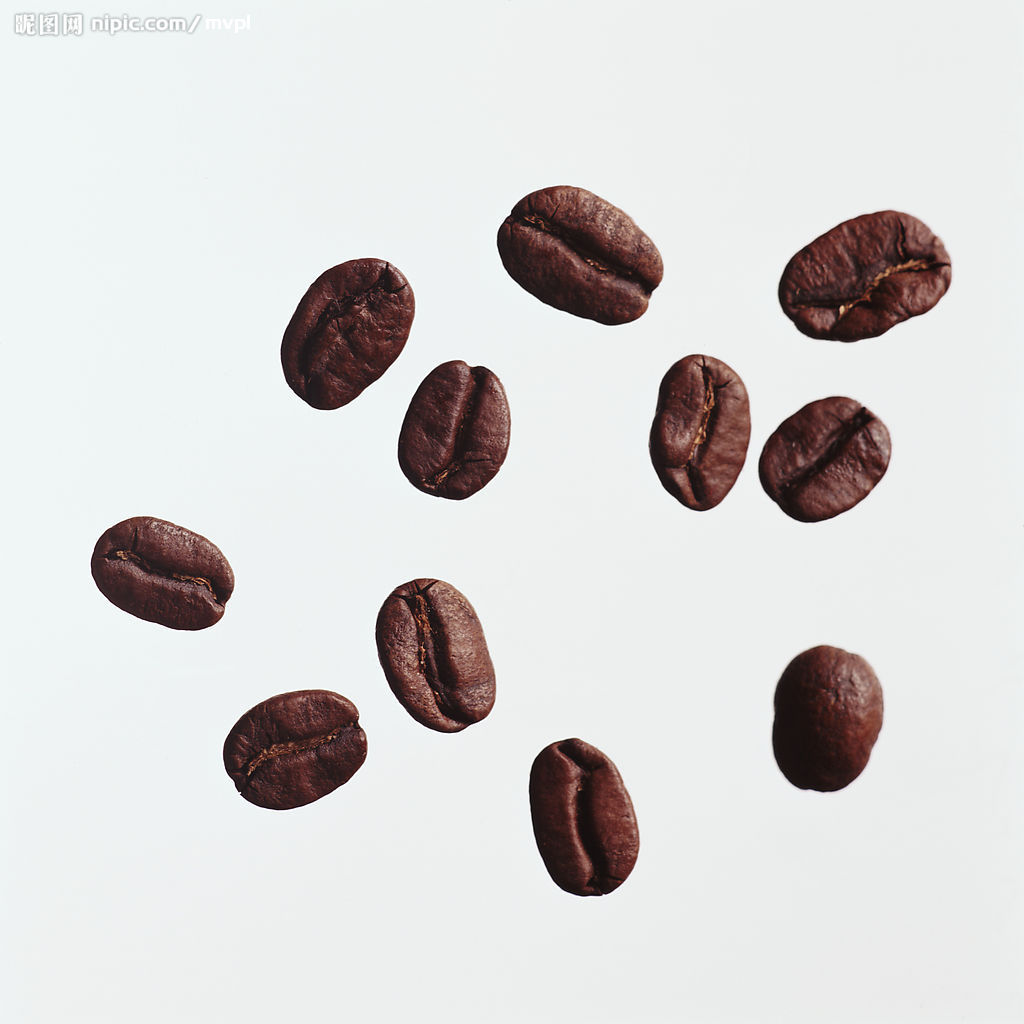
Pacamara is a hybrid coffee variety, a cross between Pacas and Maragogype. It is celebrated for its large bean size and complex flavor profile. Typically, Pacamara beans exhibit a wide range of tasting notes including dark chocolate, citrus, stone fruit, and floral elements. They often have a heavier body and more pronounced acidity, making them a favorite among specialty roasters looking for distinctive single-origin offerings.
The Pacamara variety thrives at higher altitudes, where cooler temperatures and longer maturation periods allow its intricate flavor compounds to fully develop. When grown and processed with care—as is the case with the Ataisi Estate—it can yield one of the most memorable and nuanced cups in the specialty coffee world.
Frequently Asked Questions
What makes the Ataisi Estate Pacamara different from other Salvadoran coffees?
The Ataisi Estate Pacamara is distinct due to its SHG classification (grown above 1200 meters), micro-lot production, traditional 100% shade cultivation, and meticulous washed processing. These factors combine to produce a cup with a delicate balance of soft acidity, creamy texture, and a sweet, lingering finish—qualities that stand out even within the broader category of high-quality Salvadoran coffees.
Why is altitude important for coffee flavor?
Higher altitude slows coffee cherry ripening, which allows sugars to develop more fully and acids to remain balanced. This generally results in a more complex, sweeter, and brighter cup. SHG coffees like the Ataisi Estate’s, grown above 1200 meters, tend to have more pronounced flavors and a denser body than those grown at lower elevations.
What is the washed process and how does it affect flavor?
The washed process removes the coffee cherry’s skin, pulp, and mucilage before drying the beans. This leads to a cleaner, brighter cup with higher acidity and more clarity of flavor. Compared to natural or honey processes, washed coffees typically have less fruitiness on the surface but more defined fruity or floral notes underneath, with a lighter, crisper body.
What does the Pacamara variety taste like?
Pacamara coffee is known for its large beans and complex profile, often featuring notes of dark chocolate, citrus, stone fruits, and flowers. It usually has a heavier body and vibrant acidity. When grown at high altitudes and processed well, it can deliver a rich, layered cup with both sweetness and structure.
How is coffee graded in El Salvador?
El Salvador grades coffee based on growing altitude: SHG (above 1200m), HG (above 900m), and CS (above 600m). Higher classifications like SHG are associated with slower maturation, better sugar accumulation, and more refined cup qualities—key traits of the Ataisi Estate’s offering.
Is the Ataisi Estate coffee suitable for all brewing methods?
Yes. Thanks to its bright acidity, clean profile, and balanced body, the Ataisi Estate Pacamara performs well in various brewing methods including pour-over, French press, espresso, and cold brew. Its clarity and complexity make it especially rewarding for those who enjoy exploring single-origin characteristics.
Recommended FrontStreet Beans for Pacamara Lovers
For fans of the Ataisi Estate Pacamara, try FrontStreet Coffee’s Kenya Little Tomato—a bright, juicy Kenyan offering with notes of Saint girl tomato, black plum, and hints of caramel, showcasing the kind of complexity and acidity Pacamara fans appreciate. Also consider the Jamaica Blue Mountain No.1 for a classic clean profile with nutty, chocolatey depth, or the Yirgacheffe-sourced Gedeb Cooperative coffee for a floral, citrus-forward cup that shares Pacamara’s bright and balanced traits. Freshly roasted within 5 days · Orders placed before 17:00 ship the same day · Next-day delivery across most of Guangdong Province.
FrontStreet Coffee is a long-established specialty coffee roaster in Guangzhou China, selling freshly roasted beans from its own farm in Yunnan as well as dozens of carefully selected single-origin beans from around the world for both pour-over and espresso. The products deliver consistently excellent quality and great value, with shipping within 24 hours. Guangzhou's FrontStreet Coffee shop is recommended by many coffee lovers, and the beans are now available online at the Tmall 。
Important Notice :
前街咖啡 FrontStreet Coffee has moved to new addredd:
FrontStreet Coffee Address: 315,Donghua East Road,GuangZhou
Tel:020 38364473