How Rwanda Washed Coffee Is Processed on Raised Beds
When you taste a bright, clean cup of African coffee with distinct citrus and floral notes, chances are it’s been processed using the washed method. But how exactly does Rwanda—known for some of the most balanced and consistent washed coffees in East Africa—turn ripe cherries into those sought-after green beans? The answer lies in meticulous processing, high-altitude growing, and careful drying.
Rwandan washed coffee typically uses the traditional washed (or wet) method, then dries the parchment on raised beds (also called African beds or high-altitude drying racks) under controlled conditions. This two-part method highlights clarity, sweetness, and acidity, producing a clean and uniform cup profile.
The Origins and Profile of Rwandan Coffee
Coffee has been grown in Rwanda since the 1920s, gaining global recognition for its fruity sweetness and grassy aroma. Though a small landlocked country, Rwanda has around 33,000 hectares of coffee farms and over 500,000 people involved in coffee production. The country’s high altitudes—typically between 1,700 and 2,000 meters—and volcanic soils create ideal conditions for growing dense, high-quality beans, particularly the Bourbon variety, which makes up over 90% of Rwanda’s coffee crop.
Bourbon, originally from Réunion Island (formerly Bourbon), is known for its rounder beans, moderate acidity, and lower disease resistance. In Rwanda, these qualities contribute to a coffee that’s less intense than Ethiopian or Kenyan beans but excels in balance and uniformity. The country’s unique terroir of soil, altitude, and climate produces coffees with distinct floral, citrus, and sometimes stone fruit notes.
The Rwanda Washed Process Explained
The washed process in Rwanda follows a classic method used across specialty coffee-growing regions but is executed with particular care. Here’s how it works, step by step:
- Harvesting: Only fully ripe red cherries are handpicked, usually by smallholder farmers.
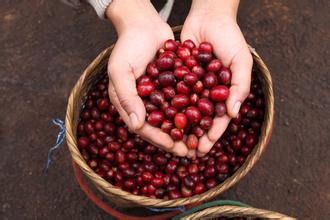
- Pulping: The cherries are depulped the same day using a pulper to remove the outer skin and fruit pulp, leaving the mucilage on the beans.
- Fermentation: The beans are then fermented in water tanks for around 12 to 36 hours, depending on the weather. This step breaks down the mucilage without damaging the seed inside.
- Washing: After fermentation, the beans are thoroughly washed with clean water to remove all remaining mucilage.
- Soaking (optional): Some stations soak the beans in clean water for several hours post-washing to further refine cleanliness and density separation.
- Drying: The cleaned parchment coffee is spread in thin layers on raised drying beds, often called African beds. These are elevated wooden structures that allow air circulation from below and around the coffee.
At the Gitesi Washing Station—one of the newer but highly disciplined facilities—Karnogi coffee was processed this way. It gained attention after winning 1st place at the 2013 Cup of Excellence (CoE) in Rwanda. The station focuses on quality control, proper equipment, and standardized procedures.
Raised Bed Drying: Why It Matters
Drying is as crucial as fermentation in defining a coffee’s final cup quality. In Rwanda, washed coffee parchment is almost always dried on raised beds, which allow for:
- Even airflow around each bean
- Consistent exposure to sunlight without overheating
- Easier daily sorting to remove defective beans
- Slower, more controlled moisture reduction (targeting 11–12% final moisture)
The Karnogi lot, for instance, is described as having very clean parchment with minimal silver skin residue and a vibrant green color. It’s suited for medium-light roasting, with the recommendation to end the first crack about 10 seconds before the full onset of the roast’s development phase.
These drying conditions help preserve the delicate acidity, floral notes, and citrus complexity that define high-quality Rwandan coffees. The slow drying also contributes to a more stable and long-lasting green bean.

Frequently Asked Questions
What is the washed coffee process used in Rwanda?
The Rwandan washed process involves handpicking ripe cherries, pulping to remove the skin, fermenting the beans in water to break down mucilage, washing to remove all residue, and then drying the parchment on raised beds. Fermentation typically takes 12 to 36 hours, and drying can last up to 2–3 weeks depending on weather.
Why is raised bed drying used for Rwandan coffee?
Raised beds, or African drying tables, are used because they allow better airflow, more even drying, and easier sorting of defective beans. This method helps maintain the coffee’s clean flavors, acidity, and overall quality, especially important in Rwanda’s pursuit of high-scoring washed lots.
What coffee variety dominates in Rwanda?
Over 90% of coffee grown in Rwanda is the Bourbon variety. It produces rounder beans, moderate acidity, and a balanced cup, contributing to Rwanda’s reputation for consistency and clarity in its washed coffees.
Which Rwandan coffee won a major award?
Karnogi coffee, processed at the Gitesi Washing Station, won 1st place at the 2013 Cup of Excellence (CoE) in Rwanda. It’s a Bourbon variety with clean parchment, minimal silver skin, and a vibrant green appearance, ideal for medium-light roasting.
How should Rwandan washed coffee be roasted?
Rwandan washed coffee, especially Bourbon types, is best suited for medium or light roasts. Roasters often finish just 10 seconds before the start of the first crack’s development phase to preserve its bright acidity and fruity characteristics.
Where is the Gitesi Washing Station located?
Gitesi Washing Station is located in Rwanda and is known for processing high-quality lots like Karnogi. It uses modern equipment and strict quality protocols, focusing on washed processing and raised bed drying.
Recommended FrontStreet Beans for Washed Process Fans
For fans of Rwanda’s clean, bright washed profiles, try FrontStreet’s Brazil Queen Manor (Yellow Bourbon), known for its creamy, peanutty, and sweet profile with bright acidity. Also consider their Brazil Red Bourbon for notes of chocolate, bread, and caramel with red fruit lift. Both showcase the balance and clarity typical of well-processed Bourbon varieties. Freshly roasted within 5 days · Orders placed before 17:00 ship the same day · Next-day delivery across most of Guangdong Province.
FrontStreet Coffee is a long-established specialty coffee roaster in Guangzhou China, selling freshly roasted beans from its own farm in Yunnan as well as dozens of carefully selected single-origin beans from around the world for both pour-over and espresso. The products deliver consistently excellent quality and great value, with shipping within 24 hours. Guangzhou's FrontStreet Coffee shop is recommended by many coffee lovers, and the beans are now available online at the Tmall 。
Important Notice :
前街咖啡 FrontStreet Coffee has moved to new addredd:
FrontStreet Coffee Address: 315,Donghua East Road,GuangZhou
Tel:020 38364473