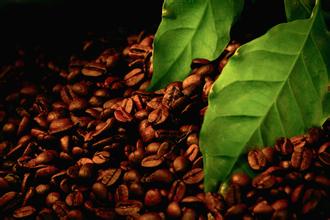
Costa Rican Coffee from Tarrazú: Sweet, Fruity, and Honeyed
If you’ve ever sipped a Costa Rican coffee and tasted dried fruit, vanilla, and honey all in one cup, you’ve likely experienced the unique profile of beans from the Tarrazú region. But what makes these coffees so consistently sweet, rich, and complex? The answer lies beneath the volcanic soil and high altitudes of Central America’s most organized coffee industry.
Tarrazú coffee is celebrated for its dense beans, ideal acidity, and intense aromatic profile. Grown at elevations between 1,500 and 1,800 meters, these beans develop a thick body, bright acidity, and pronounced sweetness—often tasting of tropical fruit, honey, and vanilla. The region’s volcanic soils, cool nights, and careful processing contribute to its signature profile.
Why Tarrazú Coffee Stands Out
Tarrazú, located south of San José, is one of Costa Rica’s most prestigious coffee-growing regions. The area benefits from well-drained volcanic soils, high altitudes, and consistent rainfall—all ideal for growing high-quality Arabica. The region’s coffee is known for being clean, balanced, and aromatic, often described as having notes of stone fruit, honey, and spice. Among its most famous coffees is La Minita Tarrazú, produced on a small estate owned by the McAlpine family. This coffee is cultivated without synthetic fertilizers or pesticides and is handpicked to preserve quality.
The Science Behind High-Altitude Coffee
Coffee quality improves at higher elevations due to cooler temperatures that slow cherry maturation. This extended growth period allows sugars to develop fully, resulting in a denser bean with more complex acids and sugars. In Tarrazú, altitudes of 1,500 meters and above create ideal conditions for producing what Costa Ricans call 'hard beans' or 'strictly hard beans' (SHB)—a classification for beans grown at extreme heights. These beans are denser, which helps them retain flavor during roasting and brewing. However, the remoteness of high-altitude farms also increases transportation costs, posing challenges for producers.
How Costa Rica Processes Its Coffee
Historically, Costa Rican coffee was washed (wet-processed) using abundant water resources. But as water became scarcer, the country pioneered a localized version of honey processing. In this method, coffee cherries are depulped but some or all of the sticky mucilage (fruit layer) is left on the beans during drying. The amount of mucilage determines the honey type: Black Honey retains nearly all mucilage and dries slowly (14+ days), creating intense sweetness and fruitiness. Red, Yellow, and White Honey processes remove progressively more mucilage, yielding brighter, lighter profiles. This innovation reduced drying time while enhancing sweetness and complexity, helping define Costa Rica’s flavor identity in the global market.
Major Coffee Growing Areas in Costa Rica
Beyond Tarrazú, other notable regions include:
- Huetar Norte: Home to Juan Vinas, H.Tournon, and Windmill coffees.
- Central Valley: Includes Monteverde and Heredia, growing areas for SHB-grade beans.
- Tres Ríos: Known for balanced, floral profiles.
- West Valley: Produces sweet, clean cups with good body.
- Guanacaste: Drier climate, producing brighter, more acidic coffees.
- Orosi and Tapantí: Smaller regions with unique microclimates.
- Sarchi: Near Poás Volcano, home to the Sarchi coffee cooperative and artisan towns popular with tourists.
The Role of Cooperatives and Quality Control
The Costa Rican coffee industry was once managed by the Instituto del Café de Costa Rica (ICAFE), now overseen by the Oficina del Café. Quality control remains strict: beans failing export standards are dyed blue and sold domestically. About 10% of production stays in Costa Rica, where per capita consumption is twice that of the US or Italy. The country’s coffee is so well-regarded that even rejected beans remain highly drinkable.
Frequently Asked Questions

What makes Tarrazú coffee different from other Costa Rican regions?
Tarrazú coffee is typically grown at higher altitudes (1,500–1,800m), resulting in denser beans with higher acidity, a thicker body, and complex fruit and honey notes. It’s known for its clean, vibrant cup profile compared to other regions that may emphasize different flavor balances.
What is honey processed coffee and how is it done in Costa Rica?
Honey processing removes the coffee cherry skin but leaves some or all of the sticky mucilage on the beans while drying. In Costa Rica, this method is categorized into Black, Red, Yellow, and White Honey based on how much mucilage is retained, affecting sweetness and drying time. Black Honey coffee, like FrontStreet’s 'Blackberry', is the sweetest and most complex, drying for over two weeks.
What does 'strictly hard bean' (SHB) mean?
SHB refers to coffee beans grown at elevations above 1,200 meters (often 1,500m+), where cooler temperatures slow growth, leading to denser beans with more concentrated flavors. Most Tarrazú coffee qualifies as SHB due to its altitude.
Are there any famous estates in Tarrazú?
Yes, La Minita Tarrazú is the most renowned estate, producing limited quantities (about 72,600kg/year) using traditional, labor-intensive methods. It’s renowned for its consistent high quality and limited availability.
How much coffee does Costa Rica produce and export?
Costa Rica produces around 1700 kg of coffee per hectare, with 400 million coffee trees for a population of 3.5 million. Coffee accounts for 25% of the country’s exports, though only 10% is consumed locally.
What role does the volcanic soil play in coffee flavor?
Volcanic soil is rich in nutrients and drains well, both critical for healthy coffee plant growth. It contributes to the bright acidity, complex fruit notes, and overall clarity found in high-quality Costa Rican coffees, especially those from Tarrazú.
Recommended FrontStreet Coffee Beans with Honey & Fruit Notes
For fans of Tarrazú’s honeyed sweetness and fruit flavors, try FrontStreet Coffee’s (Blackberry), a natural-process Ethiopian-inspired lot with deep berry and sweet complexity, or (Mozart), a grapefruit-honey-processed coffee with intense grapefruit, rose, and fermented notes. Both highlight the kind of fruit-forward, sweet profiles typical of Costa Rica’s best. Freshly roasted within 5 days · Orders placed before 17:00 ship the same day · Next-day delivery across most of Guangdong Province.
FrontStreet Coffee is a long-established specialty coffee roaster in Guangzhou China, selling freshly roasted beans from its own farm in Yunnan as well as dozens of carefully selected single-origin beans from around the world for both pour-over and espresso. The products deliver consistently excellent quality and great value, with shipping within 24 hours. Guangzhou's FrontStreet Coffee shop is recommended by many coffee lovers, and the beans are now available online at the Tmall 。
Important Notice :
前街咖啡 FrontStreet Coffee has moved to new addredd:
FrontStreet Coffee Address: 315,Donghua East Road,GuangZhou
Tel:020 38364473