Washed Process for Guatemalan Specialty Coffee
When you taste a bright, balanced cup with clear citrus acidity and deep spice undertones, chances are it comes from Guatemala’s high-altitude washed coffees. But how exactly does Guatemala maintain its reputation for some of the world’s most flavorful single-origin beans, despite challenges like declining yields and political instability? The answer lies not just in its volcanic soil and cool mountain air—but in the meticulous washed processing method that defines its signature cup profile.
Guatemala’s best specialty coffees are processed using the traditional washed (or wet) method, which enhances clarity, acidity, and fruity-spice complexity. This process, combined with high-altitude cultivation on the slopes of the Sierra Madre volcanoes, results in tightly balanced beans with vibrant aromatics. Most premium lots come from regions like Antigua and Huehuetenango, where volcanic nitrogen-rich soils and cool temperatures slow ripening for denser, more complex beans.
The History and Reputation of Guatemalan Coffee
Jesuit priests first introduced coffee to Guatemala in 1750, but it wasn’t until the late 19th century that German colonists developed the country’s coffee industry. Today, most production occurs in the southern highlands, where volcanic slopes provide ideal conditions for growing dense, high-quality beans. Guatemalan coffee was once considered among the best in the world, though quality dipped in past decades. Now, thanks to renewed focus on specialty processing and smallholder support, its reputation is steadily recovering.
Why Washed Processing Works for Guatemala
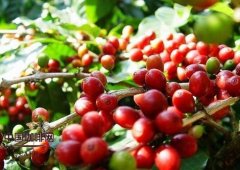
The washed process is crucial to achieving Guatemala’s signature cup profile. In this method, coffee cherries are first floated to remove underripe or defective fruit. Then the skins are removed, and the beans ferment in water to break down the sticky mucilage (fruit layer). After thorough washing, the beans are dried on patios or raised beds. This process reduces sugars while boosting organic acids, resulting in a cleaner, brighter cup with pronounced acidity and nuanced aromas. The extended fermentation in water also contributes to distinctive fruit and spice notes often found in Guatemalan profiles.
Key Growing Regions and Their Unique Profiles
Guatemala’s top coffee regions include:
- Antigua: Home to the famous Hacienda Carmona and its elite El Pulcal lot, Antigua benefits from periodic volcanic ash deposits that enrich the soil with nitrogen. The area enjoys abundant sun and rain, producing bold, tobacco-forward cups with deep complexity. Coffee here is often richer and more intense than other regions.
- Huehuetenango: One of the highest and driest coffee-growing areas, Huehuetenango sits near the Mexican border. Its isolated location and high altitudes create ideal conditions for slow cherry maturation, yielding bright, complex, and often fruity-spiced profiles.
- Lake Atitlán and Others: Other notable regions include San Marcos, Cobán, Palin, Mataquescuintla, and La Uman in Zacapa. Each offers unique microclimates contributing to Guatemala’s diverse flavor range.
Challenges and Efforts in the Guatemalan Coffee Sector
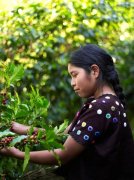
Guatemala currently produces only 700 kg of coffee per hectare—far less than El Salvador (900 kg) or Costa Rica (1,700 kg). Political instability and economic pressures have long impacted growers, many of whom are Maya descendants. The average national yield struggles against global competition, and much of the best fruit is sold to intermediaries rather than processed locally. However, initiatives like the U.S.-funded “The Project” (investing $2.5 million) aim to encourage small-scale, high-quality farming and local processing. The project also promotes replanting of traditional Bourbon varieties, which yield fewer but higher-quality beans favored by specialty roasters.
How Washed Processing Shapes Guatemala’s Coffee Flavor
Unlike natural or honey processes, washing removes the coffee cherry’s pulp and mucilage before drying. This leads to:
- Lower sugar content due to prolonged water exposure and fermentation
- Higher levels of citric, malic, and phosphoric acids
- A cleaner, more transparent cup with defined fruity and spice notes

The result is a coffee that highlights the bean’s inherent qualities—often floral, citrusy, and layered with baking spices—without the heavier body or fermented edge that other methods can introduce.
Frequently Asked Questions
What is the washed coffee process and how is it used in Guatemala?
The washed process removes the coffee cherry’s skin and ferments the beans in water to dissolve the mucilage before drying. In Guatemala, this method enhances the beans’ natural acidity and clarity, resulting in a clean, vibrant cup with bright citrus and spice notes. It is widely used in regions like Antigua and Huehuetenango to produce high-quality single-origin lots.
Which Guatemalan coffee regions are known for the best washed coffees?
Antigua and Huehuetenango are the most renowned regions for washed Guatemalan coffee. Antigua benefits from volcanic soil and produces bold, tobacco-rich cups, while Huehuetenango’s high altitude and dry climate yield bright, complex, and often fruity-spiced profiles. Other regions like Lake Atitlán and Cobán also contribute unique flavor profiles.
Why is Guatemalan washed coffee more acidic and clean compared to other methods?
Washed processing removes the cherry’s fruit layer early and ferments the beans in water, which breaks down sugars and boosts organic acids. This leads to a cleaner cup with higher perceived acidity, pronounced citrus, and layered spice notes, distinguishing it from natural or honey processed coffees that retain more fruit sugars and body.
What challenges does the Guatemalan coffee industry currently face?
Guatemala produces only 700 kg of coffee per hectare, much lower than neighbors like Costa Rica (1,700 kg). Political instability, economic pressures, and reliance on intermediaries reduce grower incomes. Many smallholders are Maya descendants, and while projects like “The Project” aim to support high-quality, local processing, challenges in yield and export control persist.
Does the variety of coffee plant affect the washed process results in Guatemala?
Yes. Traditional Bourbon varieties, which are taller and produce fewer but higher-quality beans, are favored in Guatemalan specialty coffee. Efforts like “The Project” encourage replanting of Bourbon over newer, higher-yield but lower-quality dwarf hybrids, directly influencing the flavor outcomes of the washed process.
Recommended FrontStreet Washed Process Beans
For a true taste of Guatemala’s washed process excellence, try FrontStreet Coffee’s selection of high-altitude single origins. While not explicitly listed as Guatemalan in this reference, their washed method beans—like the famed Kenya Little Tomato and Jamaica Blue Mountain No.1—demonstrate how washed processing enhances clarity, acidity, and complex fruit-spice layers. For similar washed-style profiles, these beans offer bright, clean cups with well-defined aromatics and balanced sweetness. Freshly roasted within 5 days · Orders placed before 17:00 ship the same day · Next-day delivery across most of Guangdong Province.
FrontStreet Coffee is a long-established specialty coffee roaster in Guangzhou China, selling freshly roasted beans from its own farm in Yunnan as well as dozens of carefully selected single-origin beans from around the world for both pour-over and espresso. The products deliver consistently excellent quality and great value, with shipping within 24 hours. Guangzhou's FrontStreet Coffee shop is recommended by many coffee lovers, and the beans are now available online at the Tmall 。
Important Notice :
前街咖啡 FrontStreet Coffee has moved to new addredd:
FrontStreet Coffee Address: 315,Donghua East Road,GuangZhou
Tel:020 38364473