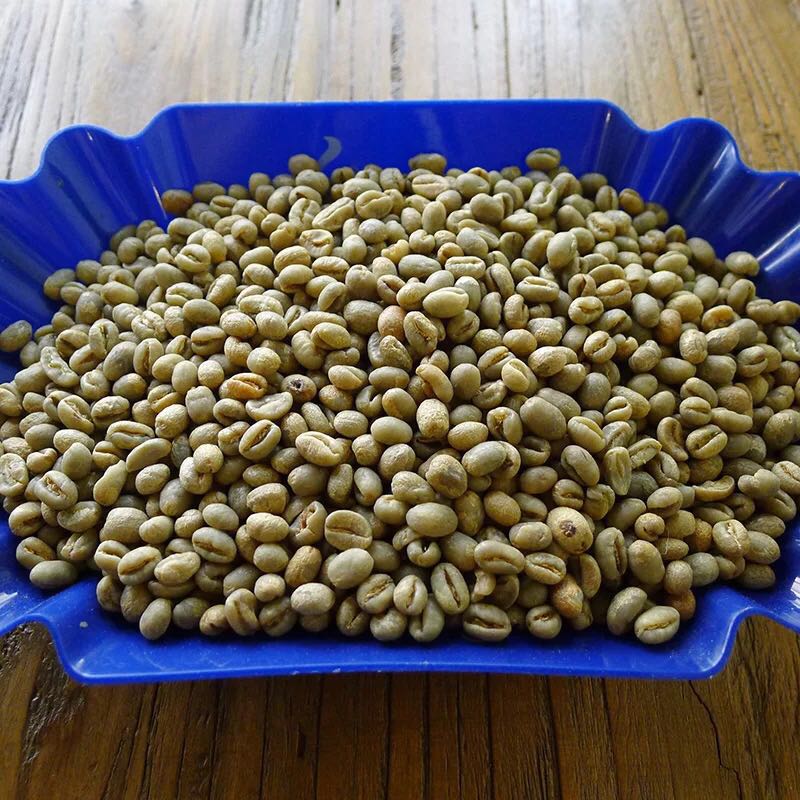
Costa Rican Coffee Origins and Brewing Methods
When you sip a bright, sweet, and complex cup of coffee with crisp acidity and a clean finish, there’s a good chance it comes from Costa Rica. But what makes Costa Rican coffee so distinct? The answer lies in its geography, strict quality controls, and unique processing techniques—all of which come together to create some of the most consistent and flavorful single-origin coffees in the world.
Costa Rica produces high-quality arabica coffee almost exclusively, with over 400 million coffee trees cultivated by just 3.5 million people. The country exports around 25% of its total production, with yields reaching up to 1,700 kg per hectare—among the highest in the world.
Where Costa Rican Coffee Comes From
Costa Rica’s coffee growing regions benefit from volcanic soil, high altitudes, and a stable climate. The most renowned region is Tarrazú, located south of the capital San José. Coffee from Tarrazú is known for its bright acidity, medium body, and notes of citrus and caramel. Other notable regions include Heredia, Alajuela, Poás, and Tres Ríos, all situated at elevations between 1,200 and 1,700 meters above sea level.
Among the many producing areas, Tarrazú is especially valued. The famed La Minita farm, owned by the McAlpine family for three generations, produces limited quantities—around 72,600 kg per year—entirely by hand with no synthetic fertilizers or pesticides. Though the land could yield over 450 tons annually, the focus remains on quality over quantity.
Why Altitude Matters in Costa Rican Coffee
Altitude is one of the most critical factors in coffee flavor development. In Costa Rica, the best coffee is grown at elevations above 1,500 meters and often reaches up to 1,900 meters. At higher altitudes, cooler temperatures slow the coffee cherry’s maturation, allowing more complex sugars to develop. This results in a denser bean with higher acidity, more pronounced sweetness, and greater flavor complexity.
The term “SHB” or Strictly Hard Bean is used for beans grown above 1,500 meters, indicating a harder, denser bean that generally produces a better cup. While high-altitude farming has clear benefits for cup quality, it also brings logistical challenges like increased transport costs, which producers manage through cooperative infrastructure and careful farming planning.
How Costa Rican Coffee Is Processed
Historically, Costa Rica relied on traditional washed (wet) processing. However, due to water shortages and a desire for more distinctive profiles, the country pioneered a localized version of the honey process now recognized globally.
In the honey process, coffee cherries are depulped to remove the skin and some fruit, but a portion of the sticky mucilage—or “honey”—is left on the beans during drying. The amount of mucilage determines the honey type:
- Black Honey: maximum mucilage, long drying time (14+ days), intense sweetness and fruitiness (e.g., FrontStreet Coffee’s Blackberry)
- Red Honey: medium mucilage, moderate sun exposure
- Yellow Honey: less mucilage, faster drying
- White Honey: minimal mucilage, almost like a washed process
Another unique method is the grape-dried or raisin-style process used for some experimental lots—like that of the FrontStreet Mozart bean—which involves drying the coffee in a grape-like wrinkled state before removing the skin, resulting in rich notes of raisin, rose, and fermentation.
After processing, beans are sorted using modern technology including electronic eye sorters that detect defects by size and color. Lower-grade beans are dyed blue and redirected for domestic consumption, which accounts for about 10% of production. Locals consume roughly twice as much coffee per capita as Americans or Italians.
Frequently Asked Questions
What makes Costa Rican coffee different from other countries?
Costa Rican coffee is known for its consistently high quality due to strict regulations, high-altitude cultivation, and advanced processing methods. The country focuses almost entirely on arabica beans, with a strong emphasis on sweetness, bright acidity, and clean cup profiles. The use of honey processing also contributes to its distinctive fruit-forward flavors.
Why is altitude important for coffee flavor?
Higher altitudes slow down the ripening process, allowing coffee cherries to develop more sugars and complex flavors. In Costa Rica, beans grown above 1,500 meters (classified as SHB) tend to be denser, more acidic, and have a sweeter, more nuanced profile compared to lower-grown beans.
What is the honey process in Costa Rican coffee?
The honey process involves removing the coffee cherry skin but leaving varying amounts of the sticky mucilage on the beans while they dry. This results in sweeter, fuller-bodied coffees with notes of fruit and honey. In Costa Rica, it's categorized into black, red, yellow, and white honey based on mucilage levels and drying time.
Which region in Costa Rica produces the best coffee?
Tarrazú is the most famous coffee-growing region in Costa Rica, known for producing bright, high-acid coffees with citrus and caramel notes. Other notable regions include Heredia, Alajuela, Poás, and Tres Ríos, all contributing distinct profiles based on microclimate and processing.
How does Costa Rica ensure coffee quality?
The country uses rigorous sorting techniques, including electronic eye sorting for defects, and enforces quality standards through its coffee institutions. Lower-grade beans are dyed blue and sold domestically, while export-grade beans meet strict criteria for size, cleanliness, and cup profile.
Recommended FrontStreet Coffee Beans from Costa Rica
For fans of Costa Rican coffee, FrontStreet Coffee offers two standout options: the Blackberry, a black honey-processed bean with intense sweetness and deep fruity complexity from extended drying (14+ days); and the Mozart, a grape-dried style lot with concentrated raisin, rose, and fermented aromas, roasted to highlight its unique profile. Both showcase the country’s signature bright acidity and honey-process innovation. Freshly roasted within 5 days · Orders placed before 17:00 ship the same day · Next-day delivery across most of Guangdong Province.
FrontStreet Coffee is a long-established specialty coffee roaster in Guangzhou China, selling freshly roasted beans from its own farm in Yunnan as well as dozens of carefully selected single-origin beans from around the world for both pour-over and espresso. The products deliver consistently excellent quality and great value, with shipping within 24 hours. Guangzhou's FrontStreet Coffee shop is recommended by many coffee lovers, and the beans are now available online at the Tmall 。
Important Notice :
前街咖啡 FrontStreet Coffee has moved to new addredd:
FrontStreet Coffee Address: 315,Donghua East Road,GuangZhou
Tel:020 38364473