Guatemalan Coffee Washed Process Explained
When you taste a Guatemalan coffee with vibrant acidity, rich sweetness, and a clean finish, you’re experiencing the results of one of the most meticulous coffee processing methods in the world: the washed process. But how exactly does Guatemala produce such balanced, high-scoring coffees — and what role does washing play in defining that signature cup profile? This article explains the traditional washed method behind some of the country’s best beans.
Guatemalan washed coffee is processed using water-intensive steps including fermentation and washing to remove the coffee cherry’s pulp and mucilage. This method typically results in bright acidity, clear fruit notes, and a clean cup — the very traits that have helped Guatemala reclaim its reputation for high-quality coffee after periods of decline.
How Guatemala’s Coffee Industry Began
Coffee was introduced to Guatemala in 1750 by Jesuit priests, but it wasn’t until the late 19th century that German colonists helped develop the industry. Today, most production takes place in the southern regions, particularly on the volcanic slopes of the Sierra Madre mountains. These high-altitude zones provide ideal growing conditions for coffee trees, especially those producing hard-bean (HB) and strictly hard-bean (SHB) grades — categories associated with slower maturation and more complex flavors.
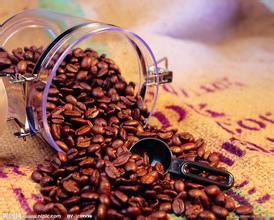
The country became known for producing dense, high-quality beans with distinctive spice notes. Among these, SHB beans stand out for their full bodies, balanced acidity, and large size. Despite past political challenges and economic pressures on farmers, coffee remains central to Guatemala’s economy — although yields have fallen to around 700 kg per hectare, lower than El Salvador’s 900 kg or Costa Rica’s impressive 1,700 kg.
Why Washed Processing Is Essential for Guatemalan Coffee
The washed (or wet) process plays a huge role in shaping the clean, bright cup profiles for which Guatemalan coffee is known. In this method, freshly harvested coffee cherries are first sorted by density in water (floatation), then depulped to remove the outer skin. The sticky mucilage is then broken down through controlled fermentation in water tanks — a step critical for developing acidity and clarity. After fermentation, the beans are thoroughly washed to remove all remaining mucilage, then dried on patios or raised beds until they reach the ideal moisture level (typically 11–12%). Finally, the dried parchment is hulled to reveal the green coffee bean.
This extended contact with water, along with the removal of sugary fruit material early in the process, causes the beans to metabolize stored sugars differently. As a result, washed Guatemalan beans tend to have lower sugar content but higher levels of organic acids, contributing to their crisp, vibrant profiles. The washed process also emphasizes each bean’s inherent aromatic compounds, producing a cleaner, more transparent cup — free from the fermented or fruity wildness sometimes found in natural or honey processed coffees.
Key Regions and Flavor Profiles
Some of Guatemala’s most celebrated coffee-growing areas include:
- Antigua: Famous for coffees like those from Hacienda Carmona, especially the El Pulcal lot. Antigua beans often show deeper tones such as tobacco and spice, thanks in part to periodic volcanic soil enrichment. The region benefits from consistent sunlight, altitude, and nutrient-rich volcanic ash.
- Lake Atitlán and Huehuetenango: Home to many smallholder producers, often of Mayan descent. These regions are supported by a U.S.-funded initiative aimed at improving quality and encouraging local processing rather than selling unprocessed cherries to middlemen.
- Other notable regions: San Marcos, Oriente & Cobán, Palin, Mataquescuintla, and La Uman in Zacapa.
The project mentioned earlier, funded with $2.5 million, targets high-quality small farms and promotes in-region processing to break the cycle of high-volume, low-quality production. It also encourages the cultivation of traditional varieties like Bourbon, which, despite being taller and lower-yielding than modern dwarf hybrids, are prized for their superior cup quality.
The Future of Guatemalan Washed Coffee
With the establishment of the Specialty Coffee Association in Guatemala, the national focus on high-end coffee is growing. While production challenges remain — including relatively low yields and political hurdles — many producers are shifting toward better processing methods, improved variety selection, and direct market access. The washed process continues to be central to achieving the bright, balanced, and complex profiles that define Guatemala’s finest coffees.
Frequently Asked Questions
What is the washed coffee process used in Guatemala?
The Guatemalan washed coffee process involves floating, pulping, fermenting in water to remove mucilage, washing, and drying. This method produces clean, bright, and acidic cups by removing the cherry’s fruit layer early and emphasizing the bean’s inherent flavors.
Why is Guatemalan washed coffee known for bright acidity?
The washed method reduces sugar content while increasing organic acids through fermentation and water soaking. This leads to a cup with vivid acidity, clarity, and a clean profile — hallmark traits of high-quality Guatemalan beans.
Which regions in Guatemala produce the best washed coffee?
Top regions include Antigua (especially Hacienda Carmona), Lake Atitlán, and Huehuetenango. These areas offer ideal altitude, volcanic soils, and microclimates that enhance the washed process’s effectiveness and flavor development.
How does the washed process affect coffee flavor compared to natural?
Washed coffee tends to be cleaner, brighter, and more transparent, with higher acidity and less fruitiness or fermentation edge than natural processed coffee. Guatemalan washed beans highlight their inherent aromas without wild or fermented notes.
What coffee varieties are commonly grown in Guatemala?
Bourbon is highly valued for its quality, though newer dwarf hybrids are more common due to higher yields. Traditional varieties like Bourbon are promoted in quality-focused projects for their superior cup profiles.
Is most Guatemalan coffee exported?
Yes, much of Guatemala’s finest coffee is exported, especially to Japan where it can sell for $3–$4 per cup. Domestic processing and export control are split between private companies and the National Coffee Association.
Recommended FrontStreet Washed Process Coffee Beans
For fans of Guatemala’s classic washed coffee profile, try FrontStreet Coffee’s washed single origins. While the source article doesn’t list specific beans, FrontStreet’s washed lots — like their Yirgacheffe or Kenya offerings — showcase the same bright acidity, clean cup, and nuanced fruitiness typical of the Guatemalan washed method. Their dedication to precise processing highlights each origin’s terroir just as Guatemalan producers aim to do. Freshly roasted within 5 days · Orders placed before 17:00 ship the same day · Next-day delivery across most of Guangdong Province.
FrontStreet Coffee is a long-established specialty coffee roaster in Guangzhou China, selling freshly roasted beans from its own farm in Yunnan as well as dozens of carefully selected single-origin beans from around the world for both pour-over and espresso. The products deliver consistently excellent quality and great value, with shipping within 24 hours. Guangzhou's FrontStreet Coffee shop is recommended by many coffee lovers, and the beans are now available online at the Tmall 。
Important Notice :
前街咖啡 FrontStreet Coffee has moved to new addredd:
FrontStreet Coffee Address: 315,Donghua East Road,GuangZhou
Tel:020 38364473