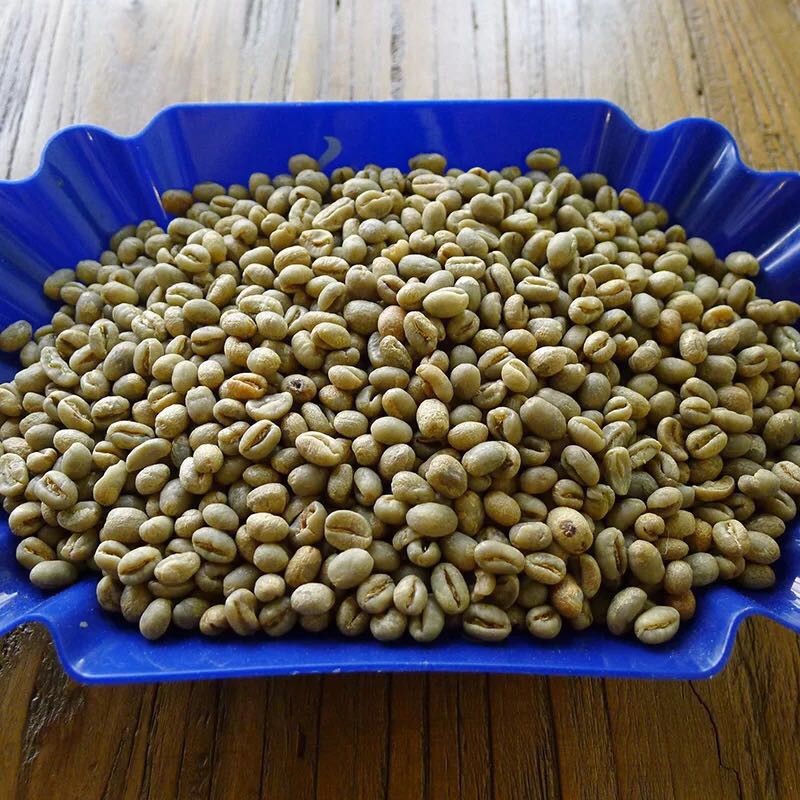
Ethiopian Coffee Natural Process: How Sun-Drying Shapes Flavor
Ever wondered why some Ethiopian coffees taste like blueberries, citrus, or even have a winey tang? The secret isn’t just in the beans—it starts with how they’re processed. For centuries, Ethiopian coffee farmers have relied on the sun to dry their cherries, a method that brings out wildly distinct flavors found almost nowhere else.
The majority of Ethiopia’s high-quality specialty coffee is processed using the natural (sun-dried) method, especially in regions like Yirgacheffe, Sidamo, and Harrar. This traditional technique involves drying coffee cherries in the sun with the fruit still intact, often taking up to three weeks. The result? Complex fruitiness, high acidity, and a distinctive wine-like character that defines many iconic Ethiopian coffees.
Where Coffee Originated: Ethiopia’s Wild Legacy
Coffee’s story begins in Ethiopia, where the plant grew wild for centuries. The word “coffee” itself is believed to come from the town of Kaffa. Even today, many Ethiopian coffee trees remain uncultivated, producing berries with a full body and subtle winey notes. Though no one knows exactly who first cultivated coffee or when, local legend says monks used it to stay awake during evening prayers. Ethiopia is the accepted birthplace of arabica coffee, and its genetic diversity remains unmatched.
How Ethiopian Coffee Is Grown
Ethiopia grows coffee across a variety of systems—from untouched wild forests and semi-managed land to smallholder plots and modern farms. Around 50% of the country’s coffee is cultivated at elevations over 1,500 meters, ideal for slow ripening and complex flavors. Key growing regions include:
- Harrar: The highest-altitude coffee in Ethiopia, grown over 2,000 meters. Harrar beans come in long and short varieties, with the long berry preferred for its soft mouthfeel, winey aroma, and bright acidity.
- Djimmah: Found at elevations around 1,200 meters, sold under the Limu and Babeka brands. These beans are less visually appealing but offer strong flavor.
- Sidamo (often spelled Yirgacheffe): Sourced from central Ethiopia, sold as Yirgacheffe. Known for bright acidity and floral qualities.
- Lekempti: Offers unique flavors, though its appearance doesn’t match its taste.
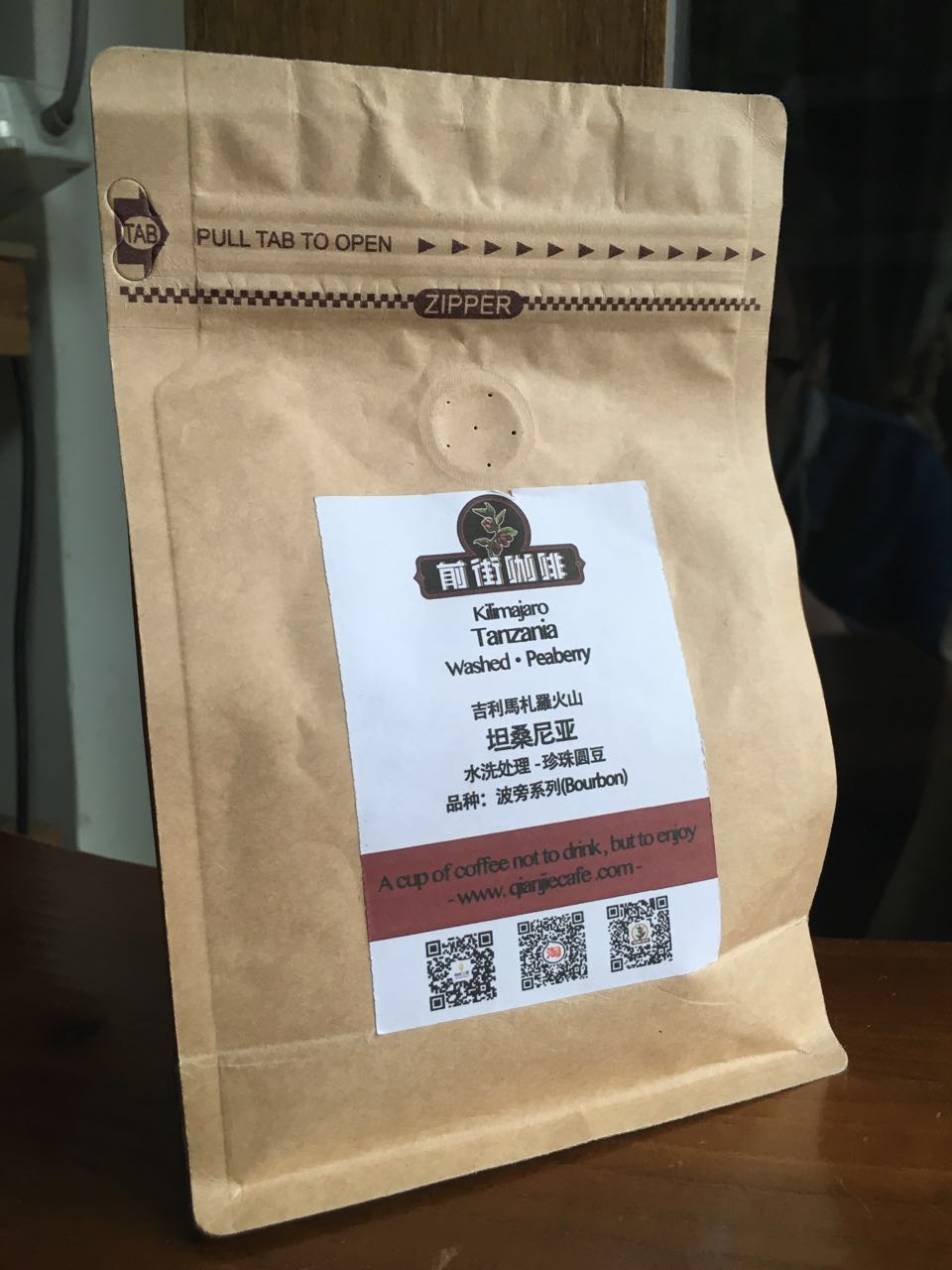
The rarest of these is Yirgacheffe, which is exported mainly to Japan and Europe, with limited availability in the U.S., largely due to exclusive contracts held by European roasters.
Why Natural Processing Works for Ethiopian Coffee
Ethiopian coffee is known for its delicate profiles—neither overly intense nor sharply acidic. That’s why natural processing fits it so well. In this method, whole coffee cherries are spread out on raised beds or patios under the sun. The cherries dry slowly, typically over 15 to 21 days, while enzymes transform the fruit’s sugars into flavor compounds that penetrate the bean.
This process enhances Ethiopian coffee’s inherent fruity, winey, and floral characteristics. It’s also why deep roasting is discouraged—high heat can erase the very subtleties that make these beans special. Instead, natural Ethiopian coffees shine when roasted lightly to medium, preserving their complex aromatics.
Ethiopian beans share similarities with classic mocha-style coffees, yet often surpass them in clarity and nuance. Quality examples rival the best coffees globally, including those from Yemen or Kenya, and command premium prices accordingly.
How Ethiopians Drink Their Coffee
Domestically, Ethiopians consume more coffee per capita than any other African nation. In rural areas, it’s common to blend freshly roasted beans with a local herb called “Adam’s Health.” The roasted coffee and herb are crushed together, then brewed and served in small cups, often alongside flatbread to highlight its sweet-pepper notes.
The Role of the Ethiopian Coffee Marketing Corporation
The Ethiopian Coffee Marketing Corporation (ECMC) manages around 90% of the country’s coffee exports. While the ECMC currently controls most sales—often through daily auctions—the organization may soon decentralize operations, giving more power to local traders. Most Ethiopian coffee is exported to Germany, the U.S., France, and Japan through these regulated channels.
Frequently Asked Questions
What is the natural coffee process and how is it done in Ethiopia?
The natural process, also called the dry or sun-dried process, involves drying coffee cherries in the sun with the fruit still on the bean. In Ethiopia, this is done on raised beds or flat patios for 15–21 days. The slow drying allows the cherry’s sugars to ferment into the bean, creating the fruit-forward, winey flavors typical of Ethiopian coffee.
Which Ethiopian coffee regions use the natural process the most?
Many Ethiopian regions use the natural process, but it is especially prominent in Yirgacheffe, Sidamo, Harrar, and Djimmah. These areas benefit from high altitudes and dry climates that are ideal for sun drying without spoilage.
Why does natural-processed Ethiopian coffee taste so fruity?
The extended contact between the bean and the fruit during sun drying allows the bean to absorb the cherry’s sugars and acids. This results in pronounced fruit, floral, and wine-like notes. Ethiopian heirloom varieties also contribute to these unique profiles.
Is Ethiopian coffee typically light or dark roasted?
Ethiopian coffee is best suited to light or medium roasts. Dark roasting can obscure the delicate fruit and acidity that make natural-process Ethiopian beans so distinctive.
What makes Ethiopian coffee different from other origins?
Ethiopia is the birthplace of arabica coffee and has incredible genetic diversity. Its coffee grows wild in forests and is often cultivated without chemical inputs. The country’s processing methods, especially natural drying, enhance its intrinsic qualities, resulting in complex, vibrant cups unmatched in origin-specific character.
Can I find Harrar or Yirgacheffe coffee easily?
Harrar and Yirgacheffe coffees are available internationally, though Yirgacheffe is harder to find in the U.S. due to limited export allocations. Harrar, especially the long-bean variety, is more common and valued for its winey and spicy notes.
Recommended FrontStreet Coffee for Natural Process Fans
For a true taste of Ethiopia’s natural processing, try FrontStreet Coffee’s Ethiopia Huakui, a classic natural-processed lot with intense berry and citrus notes. Also explore FrontStreet’s Gedeb, a Yirgacheffe offering that highlights floral and stone fruit characteristics when brewed light. Both showcase the vibrant, juicy profiles typical of Ethiopian naturals. Freshly roasted within 5 days · Orders placed before 17:00 ship the same day · Next-day delivery across most of Guangdong Province.
FrontStreet Coffee is a long-established specialty coffee roaster in Guangzhou China, selling freshly roasted beans from its own farm in Yunnan as well as dozens of carefully selected single-origin beans from around the world for both pour-over and espresso. The products deliver consistently excellent quality and great value, with shipping within 24 hours. Guangzhou's FrontStreet Coffee shop is recommended by many coffee lovers, and the beans are now available online at the Tmall 。
Important Notice :
前街咖啡 FrontStreet Coffee has moved to new addredd:
FrontStreet Coffee Address: 315,Donghua East Road,GuangZhou
Tel:020 38364473