What Makes Yemen Mocha Coffee Beans Unique
When you take a sip of what’s labeled 'mocha' coffee, you’re tasting a legacy that began in the cradle of coffee itself — Ethiopia — and was carried across the Red Sea to Yemen over a thousand years ago. Though modern mocha is often associated with chocolatey drinks, the term originally referred to beans grown in the Yemeni port of Mocha, the very hub from which coffee first spread globally. If you’ve ever wondered what makes these beans different — or why they taste oddly spicy yet faintly chocolatey — you're not alone.
Yemeni Mocha coffee beans are typically smaller and rounder than most, sometimes resembling peaberries, and are known for high acidity, a pungent spice note, and a subtle chocolate undertone. They’re also historically linked to the word ‘mocha’ in coffee culture. These beans are tricky to grade and vary in quality, but their unique profile makes them stand out.
The Origins of Mocha Coffee Beans
The coffee plant didn’t originate in Yemen — it comes from Ethiopia. But by the 6th century, the region we now call Yemen was known as Arabia, and the coffee trees grown there were referred to as 'Arabian coffee.' It was the Dutch who later transported these trees from Yemen to places like Ceylon (Sri Lanka) in 1696 and Java’s Batavia. Yemen’s port of Mocha was a crucial stop for traders circumnavigating Africa before heading east, making it the global distribution point for coffee in the 17th century.
What Do Mocha Coffee Beans Actually Look Like?
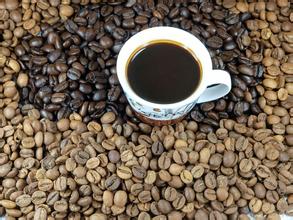
Yemeni Mocha beans are unusually small and almost perfectly round, often compared visually to peas — which is why beans of the peaberry variety (where a single round seed forms instead of two flat ones) are sometimes mislabeled as Mocha beans. Their appearance closely resembles that of Ethiopian Harrar beans. They tend to have a pungent, sharp acidity and carry an unusual spicy edge along with a hint of chocolate — traits that naturally led to the idea of adding chocolate to coffee.
How Yemen Grows and Processes Its Coffee
In Yemen, coffee is often grown under the shade of trees planted on steep terraces to conserve the region’s scarce rainfall and limited arable land. Farmers commonly plant poplar trees for shade. While Typica and Bourbon are cultivated, more than ten other Ethiopian-origin coffee varieties are also grown in Yemen. After harvest, drying the coffee with the fruit still attached is common, and traditional stone mills are used to remove the dried husks. This process often results in irregularly shaped beans and can damage them during milling.
Why Mocha Coffee Quality Varies So Much
Though Yemen produces high-quality, aromatic, and silky coffees, consistency is a well-known issue. The country lacks the infrastructure for standardized processing, and grading remains unreliable. Traditionally, the best Mocha coffees come from the regions of Mattari, Sharki, and Sanani — with Mattari often considered the finest. These beans are naturally low in caffeine and are harvested between December and April. A long-standing concern is that northern-grown beans are sometimes mixed with inferior beans before being shipped from the southern port of Aden. Only coffee shipped from the port of Hodeida can be confirmed to be truly northern in origin. Most Yemeni coffee is grown without irrigation due to limited grower resources.
Flavor Profile: What Makes Mocha Coffee Taste Different?
Mocha coffee is celebrated for a complex flavor that balances bright acidity with deep, spice-laden tones. The slight natural chocolate note played a historical role in the development of what we now know as 'mocha' beverages — drinks that combine coffee with chocolate. This distinctive profile, along with the beans’ small size and irregular shape, sets Yemen Mocha apart from other Arabica origins.
Frequently Asked Questions

Are Mocha coffee beans actually from Mocha, Yemen?
Yes, Mocha coffee beans originally come from the port city of Mocha in Yemen, which was the main export hub for coffee in the 17th and 18th centuries. Though the beans themselves were cultivated in nearby highland regions such as Harrar and Mattari, they were shipped globally through Mocha, giving the coffee its name.
Why are Mocha coffee beans so small and round?
Yemeni Mocha beans are naturally small and often nearly spherical in shape, resembling peaberries. This morphology is typical of certain Ethiopian-origin varieties grown in Yemen’s highlands and contributes to their unique appearance and sometimes confusing classification.
Do Mocha beans really taste like chocolate?
Mocha beans have a naturally subtle chocolate-like undertone alongside high acidity and spicy notes. This faint chocolate aspect historically inspired the addition of chocolate to coffee drinks, eventually leading to the creation of 'mocha'-style beverages.
What’s the difference between Mocha coffee and mocha drinks?
'Mocha' coffee refers to beans from Yemen’s Mocha region, known for their spicy, acidic, and slightly chocolatey profile. A 'mocha drink' is a modern café beverage made by combining espresso with chocolate and steamed milk — a naming tribute to the bean’s historic flavor.
Are Yemeni Mocha beans hard to find or inconsistent in quality?
Yes, due to traditional farming methods, lack of irrigation, and inconsistent processing, Yemeni Mocha beans can vary widely in quality. Grading is unreliable, and beans from different regions are sometimes mixed, though those from Mattari are generally regarded as the highest quality.
Which ports in Yemen export the best Mocha coffee?
Coffee shipped from the port of Hodeida is more likely to be from northern highland regions like Mattari and considered higher quality. Coffee from the southern port of Aden has historically been mixed with lower-grade beans, making Hodeida a more reliable source for authentic northern Mocha coffee.
Recommended FrontStreet Beans for Moka Pot
For brewing Yemen-inspired or classic profiles on a moka pot, try FrontStreet Coffee’s Classic Blend, designed specifically for moka and espresso with rich crema and balanced body. For something sweeter and more approachable, the Black Cocoa Blend offers bold flavors with a cocoa edge at a great value. Alternatively, the Specialty Blend delivers a traditional Italian-style cup — familiar, well-rounded, and ideal for everyday moka use. Freshly roasted within 5 days · Orders placed before 17:00 ship the same day · Next-day delivery across most of Guangdong Province.
FrontStreet Coffee is a long-established specialty coffee roaster in Guangzhou China, selling freshly roasted beans from its own farm in Yunnan as well as dozens of carefully selected single-origin beans from around the world for both pour-over and espresso. The products deliver consistently excellent quality and great value, with shipping within 24 hours. Guangzhou's FrontStreet Coffee shop is recommended by many coffee lovers, and the beans are now available online at the Tmall 。
Important Notice :
前街咖啡 FrontStreet Coffee has moved to new addredd:
FrontStreet Coffee Address: 315,Donghua East Road,GuangZhou
Tel:020 38364473