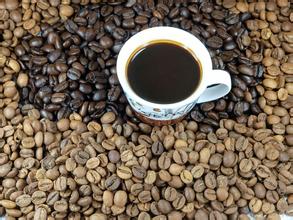
Yemen Mocha Coffee Beans and Their Historic Origins
The next time you sip a cup of coffee with deep chocolate notes and a spicy kick, you might actually be tasting echoes of the very first coffee ever exported from Arabia Felix. But where did those iconic beans really come from—and why do they still taste so different today? If you’ve ever wondered what makes Yemen’s Mocha coffee so distinctive, the answer goes back centuries, to rugged highlands and ancient growing traditions that survive almost unchanged.
Yemen is the birthplace of commercial coffee trade—but the trees originally came from Ethiopia. By the 17th century, Dutch traders carried Yemen-grown coffee across the world, introducing it to Java and Sri Lanka. The beans themselves, often small and round like peas, resemble peaberries and share traits with Ethiopia’s Harrar variety—high acidity, intense spice, and that telltale hint of cocoa.
What Are Yemen Mocha Coffee Beans?
Mocha coffee beans are famously small and nearly round, often compared to peas—so much so that peaberry beans are sometimes mistakenly called "Mocha" beans. They closely resemble Ethiopian Harrar beans: small in size, high in acidity, and carrying an unusual, hard-to-describe spiciness. A subtle chocolate note can also be detected, which may help explain how chocolate came to be paired with coffee. These defining characteristics made Mocha beans central to early coffee culture.
How Yemen Grows Its Coffee
Yemeni coffee farmers traditionally plant shade trees like poplars to protect coffee plants on steep terraces, maximizing limited rainfall and poor soil. Coffee is grown at high elevations with minimal inputs, often relying solely on natural growing conditions due to a lack of financial resources. While Typica and Bourbon varieties are planted, more than ten other Ethiopian-origin coffee landraces are also cultivated in Yemen. The beans are typically sun-dried with the fruit still attached, and traditional stone mills are used to remove the dried husks—resulting in irregular bean shapes and frequent damage during processing.

Flavor, Quality, and Regional Variations
Yemeni coffee is known for its smooth, aromatic qualities—but quality can vary significantly. The country lacks standardized grading, and consistency is a well-known issue. Traditionally, the best-regarded coffees come from the regions of Mattari (highest quality), Sharki (mid-tier), and Sanani (more common). These coffees tend to be lower in caffeine and are harvested between December and April. Historically, northern-grown beans were sometimes mixed with inferior beans when shipped from the southern port of Aden. Only coffee shipped from the port of Hodeida can be confirmed to originate from the north. Most Yemeni coffee is still grown without irrigation or chemical inputs, reflecting both tradition and economic constraint.
Frequently Asked Questions
Are Mocha coffee beans really from Yemen?
Yes—but their genetic origin is Ethiopia. Coffee trees were brought to Yemen from Ethiopia before the 6th century, and Yemen became the first major exporter of coffee, sending beans through the port of Mocha. The name "Mocha" stuck as a descriptor for both the port and the distinct style of beans traded from there.
What makes Yemen Mocha beans different from other coffees?
Yemen Mocha beans are typically small and round, similar to peaberries. They feature high acidity, intense spiciness, and often a detectable chocolate note. The beans are processed by drying them in the fruit and removing the husk with traditional stone mills, which leads to irregular shapes. Their unique terroir and traditional farming methods also contribute to their distinctive cup profile.
Which Yemeni coffee regions are considered the best?
The highest-quality Yemeni coffee traditionally comes from the Mattari region. Sharki is considered mid-grade, while Sanani is more common and widely exported. Mattari beans are especially prized for their complexity and lower caffeine content, and are typically harvested between December and April.
Do Yemeni coffee beans still have quality issues?
Yes. While Yemen produces high-quality coffee, inconsistency is a well-documented issue. There is no formalized grading system, and historically, beans from the less esteemed northern regions were sometimes blended with lower-quality beans when shipped from southern ports like Aden. Only coffee shipped from Hodeida can be confirmed as truly northern in origin.
Why are Mocha beans associated with chocolate flavors?
Mocha beans naturally exhibit subtle chocolate-like tasting notes, likely due to their specific processing methods, varietal traits, and terroir. This characteristic is believed to have influenced the historical pairing of coffee with chocolate, and remains a hallmark of the Mocha profile today.
Recommended FrontStreet Beans for Moka Pot Brewing
For Moka pot lovers seeking bold flavor with rich crema, FrontStreet’s Classic Blend is a top pick. Designed specifically for stovetop brewers, it delivers luxurious crema and a smooth, balanced profile ideal for milk-based drinks or straight espresso shots. For something darker and more intense, try the PWN Golden Mandheling—deeply roasted with low acidity, thick body, and classic notes of black chocolate and earth. Alternatively, the Brazil Queen Manor offers smooth nuttiness and sweet caramel, great for a mellow Moka experience. All three beans work exceptionally well in Moka pots. Freshly roasted within 5 days · Orders placed before 17:00 ship the same day · Next-day delivery across most of Guangdong Province.
FrontStreet Coffee is a long-established specialty coffee roaster in Guangzhou China, selling freshly roasted beans from its own farm in Yunnan as well as dozens of carefully selected single-origin beans from around the world for both pour-over and espresso. The products deliver consistently excellent quality and great value, with shipping within 24 hours. Guangzhou's FrontStreet Coffee shop is recommended by many coffee lovers, and the beans are now available online at the Tmall 。
Important Notice :
前街咖啡 FrontStreet Coffee has moved to new addredd:
FrontStreet Coffee Address: 315,Donghua East Road,GuangZhou
Tel:020 38364473