Yemen Mocha Coffee Beans: Flavor, Profile & Origins
If you’ve ever wondered where the term 'mocha' coffee comes from—or why some coffees taste oddly like chocolate, fruit, and wood all at once—then you’re asking about Yemen. Long before espresso bars and pour-over setups, coffee made its global debut from this rugged corner of the Arabian Peninsula. But the story, flavors, and challenges of Yemeni coffee are far more complex than the name suggests.
In short: Yemen Mocha coffee beans are small and round like peas, known for high acidity, spice, hints of chocolate, and distinctive fruity and floral notes such as apple, flowers, and even sugarcane. They are processed traditionally with dried fruit still attached, often resulting in irregular shapes and variable quality—but also unique character.
The Origins of Mocha Coffee: Ethiopia, Yemen, and the Dutch
The coffee plant didn’t start in Yemen—it comes from Ethiopia. But by the 6th century, the region we now call Yemen was known as Arabia, and so the coffee grown and exported from there became known as 'Arabian coffee.' In reality, these plants were brought north from Ethiopia. Later, it was the Dutch who transported coffee trees from Yemen across the Indian Ocean, first stopping at the port of Mocha before moving onward to Ceylon (Sri Lanka) in 1696 and then Java’s Batavia.
The port of Mocha gave the coffee its lasting name, and the trade routes established through Yemen helped ignite global coffee culture. But the coffee itself? That was Ethiopian by origin, and Yemeni by cultivation and early global distribution.
What Makes Yemen Mocha Coffee Different?
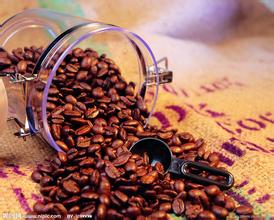
Yemen Mocha coffee beans are visually distinct. They’re smaller and rounder than most commercial beans—so much so that they’re often compared to pea-shaped peaberry beans. In fact, some peaberries are informally called 'Mocha beans' due to the resemblance. These beans also closely echo the profile of Ethiopia’s Harrar coffee: small size, high acidity, and an unusual, almost indescribable spicy edge. Beneath that spice, there’s often a subtle chocolate note—so it’s no coincidence that chocolate and coffee pairings feel so natural today.
Flavor-wise, Yemen Mocha beans are known for:
- Floral notes (like jasmine or gardenia)
- Fruity qualities, especially apple
- Woody or nutty undertones (such as walnut or oak)
- A touch of sweetness reminiscent of sugarcane
The end result is a cup that’s bright, complex, and layered—sometimes polarizing, but always distinctive.
How Yemen Processes Its Coffee—and Why That Matters
Yemeni coffee is grown under unique conditions. To protect the coffee plants from harsh sun and conserve limited water, farmers plant shade trees such as poplars on steep terraced hillsides. The country receives minimal rainfall, so every resource counts. Yemen grows several Ethiopian coffee varieties, including Typica and others—but unlike modern commercial setups, it processes coffee the old-fashioned way.
Most Yemeni coffee is naturally processed, which means the coffee cherries dry fully with the fruit still attached to the bean. After drying, the hard, dried husk is removed using traditional stone mills. This manual, low-tech method often leaves the beans misshapen and can sometimes crack or damage them. But it’s also part of what gives Yemeni coffee its rustic, intense personality.
Unlike centralized industrial milling, Yemen’s processing is decentralized. Most of it still depends entirely on natural environmental conditions, since many smallholder farmers lack access to water or advanced equipment.

Grading, Export, and Quality Challenges
Yemen produces several notable coffee regions, with beans typically graded by origin. The most respected include:
- Mattari – considered the finest, with complex acidity
- Sharki – slightly lower in quality, but still valued
- Sanani – more common, often a blend of regions
These coffees are low in caffeine and traditionally harvested and exported between December and April. However, quality consistency remains a well-known issue.
Historically, coffee from northern regions like Mattari was sometimes mixed with inferior beans from the south before being shipped through the port of Aden. For this reason, beans shipped specifically from the port of Hodeida are more likely to be genuinely from northern regions—and thus of higher and more reliable quality.
The lack of standardized grading and inconsistent processing means that while top-tier Yemeni lots can be exceptional, buyers often face variable cup profiles—even within the same bag.
Frequently Asked Questions
What does Yemen Mocha coffee taste like?
Yemen Mocha coffee typically features high acidity with floral notes (like jasmine), fruity tones such as apple, and deeper woody or nutty aspects like walnut. Many cups also have a subtle sugarcane-like sweetness and a hint of chocolate, giving it a complex and layered profile.
Why is it called Mocha coffee?
The term 'Mocha' comes from the Yemeni port of Mocha (Al-Makha), through which coffee was historically shipped to the rest of the world. Though the coffee originally came from Ethiopia, it was exported via Yemen, and the port name became synonymous with the beans.
Are Yemen Mocha beans actually from Yemen?
The coffee plants originally come from Ethiopia, but they were cultivated and exported globally from Yemen, especially starting in the 17th century. Today, most Yemen Mocha coffee is still grown in Yemen, though quality and traceability can vary depending on the export port—Hodeida is more reliable for northern-sourced beans.
What makes Yemeni coffee processing different?
Yemeni coffee is typically processed naturally, with coffee cherries drying entirely in the fruit before being milled. The hard outer layer is removed using traditional stone mills, which often leads to irregular bean shapes and potential damage. This method is labor-intensive and low-tech but contributes to the coffee’s unique flavor.
Is Yemen Mocha coffee high in caffeine?
No, Yemen Mocha coffee beans are known for having relatively low caffeine content compared to other varieties. This contributes to their smoother, more approachable cup profile despite their high acidity.
Which ports in Yemen export the best coffee?
Coffee shipped from the port of Hodeida is more likely to come from northern Yemen, particularly the respected Mattari region. Historically, coffee from northern areas was sometimes blended with lower-quality southern beans when shipped from Aden, making Hodeida a more consistent source for premium lots.
Recommended FrontStreet Coffee Beans with Similar Profiles
For drinkers curious about Yemen Mocha’s bright, complex acidity and floral-fruitiness, try FrontStreet Coffee’s Ethiopia Yirgacheffe Gedeb—known for its citrus, berry, and floral notes with a green-tea-like finish. Also consider Ethiopia Huakui (‘’), which bursts with tropical fruits like strawberry and pineapple, offering a juicy, sweet contrast. For sharper acidity and tomato-like brightness, Kenya Little Tomato delivers vivid sourness and complexity. All three share Yemen Mocha’s vibrant fruit and floral direction, but with more consistent processing. Freshly roasted within 5 days · Orders placed before 17:00 ship the same day · Next-day delivery across most of Guangdong Province.
FrontStreet Coffee is a long-established specialty coffee roaster in Guangzhou China, selling freshly roasted beans from its own farm in Yunnan as well as dozens of carefully selected single-origin beans from around the world for both pour-over and espresso. The products deliver consistently excellent quality and great value, with shipping within 24 hours. Guangzhou's FrontStreet Coffee shop is recommended by many coffee lovers, and the beans are now available online at the Tmall 。
Important Notice :
前街咖啡 FrontStreet Coffee has moved to new addredd:
FrontStreet Coffee Address: 315,Donghua East Road,GuangZhou
Tel:020 38364473