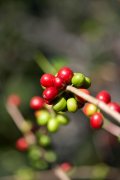
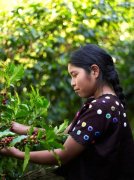
Papua New Guinea Coffee Comes From Small Local Farms
In search of traceable, high-altitude coffee with unique cup character? Many coffee lovers wonder where their beans actually come from — and in Papua New Guinea, the answer is surprising: over three-quarters of production comes from tiny, often remote farms scattered across dense forests and misty highlands.
The short answer? Most PNG coffee is grown by smallholders at 1300–1800m altitude, with around 75% produced on minuscule farms. These high-elevation plots yield nuanced beans, mostly Typica variety, graded A and AB — with limited AA available.
Why Most PNG Coffee Grows on Smallholder Farms
Nearly all of Papua New Guinea’s coffee — roughly 75% — originates from small local farms. Many of these farms are carved out of forested areas, some located deep in isolated jungle regions. The country’s coffee cultivation zone sits between 1300 and 1800 meters above sea level, conditions that naturally support high-quality beans. Although some low-elevation coffee exists, production there is minimal. Due to difficult transport and high costs, most farms rely on organic growing conditions without synthetic fertilizers or pesticides.
The Unique Geography and Challenges of PNG Coffee Production
PNG’s coffee thrives in a challenging environment. The terrain is rugged, and many farms exist in almost inaccessible forest zones. The highland setting — between 1300–1800m — provides ideal growing conditions, but the remoteness creates hurdles in infrastructure, input delivery, and quality control. Most of the country’s coffee is cultivated without agrochemicals due to the logistical nightmare of getting them to the fields.
How Historical Events Shaped PNG’s Coffee Industry
The industry plays a vital role in PNG’s economy, directly and indirectly employing over one million people. It is overseen by the Coffee Industry Board, based in Goroka on the eastern side of the island, while private firms handle exports. A pivotal moment came in 1975 when Brazil suffered a major frost that damaged global coffee supplies. In response, the PNG government launched a program to help rural communities establish around 20-hectare coffee estates. By 1990, annual production had hit one million 60kg bags.
However, rapid expansion led to inconsistent quality. Until 1991, most PNG coffee met a respectable Grade Y standard, commanding premium prices. But quality soon declined, leading to loss of European markets and devaluation of the Grade Y designation. This happened partly due to the country’s “one grade, one price” policy, which didn’t account for real quality differences. Lower-grade beans tarnished the reputation of higher-quality lots, creating market confusion and surplus.
The Turnaround in Coffee Quality Control
To address the decline, the government introduced new quality grades, suspended Grade Y production, and abandoned the uniform pricing model. This allowed buyers to pay based on actual bean quality, although it reduced income for farmers producing lower-grade lots. By 1993, the quality issues had largely been resolved, and traditional European buyers returned. Grade Y coffee regained a modest premium, reflecting improved consistency.
What Determines Coffee Quality on These Farms
Despite fertile growing conditions, inconsistent harvesting leads to uneven ripeness and bean size. As a result, AA-grade beans are rare; most available lots are graded A and AB. A-grade PNG coffee is especially valued for its medium-full body, mild acidity, and lingering aftertaste. These beans typically come from traditional Typica varieties, grown organically at high elevation under shade.
The coffee plants are often grown using organic practices and shaded cultivation. The high altitude slows maturation, allowing complex sugars to develop. Most of the crop is processed using traditional washed methods, enhancing clarity and brightness in the cup. The combination of Typica genetics, high elevation, and careful processing gives PNG coffee its distinctive profile.
Flavour Profile and Market Position of PNG Coffee
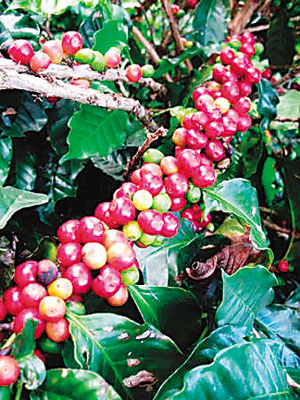
PNG coffee is known for a bright, sweet profile with fruity and nutty characteristics. It lacks the earthy or spicy tones common in other Southeast Asian coffees, making it more comparable to profiles found in South American origins. While not as well-known as Ethiopian or Kenyan coffees, PNG offers excellent value and a unique cup — especially for drinkers seeking something beyond the usual suspects. Its approachable yet complex profile makes it a great choice for both new and experienced coffee enthusiasts.
Frequently Asked Questions
Where is Papua New Guinea coffee grown?
Papua New Guinea coffee is grown in highland regions, mostly between 1300 and 1800 meters above sea level. The terrain is forested and often remote, with many small farms scattered throughout jungle-covered mountains.
Who grows most of the coffee in Papua New Guinea?
Around 75% of PNG’s coffee is produced by smallholder farmers on tiny, local farms. These are often family-run operations located in isolated or forested areas, with limited access to infrastructure and inputs.
What coffee varieties are grown in Papua New Guinea?
The majority of PNG coffee is Typica, an old Arabica variety originally brought from Jamaica’s Blue Mountains. The high elevation and cool climate of PNG allow this variety to thrive and express its inherent cup qualities.
What are the typical coffee grades in Papua New Guinea?
PNG coffee is commonly graded as A, AB, and occasionally AA. AA is rare due to inconsistent harvesting. A and AB grades dominate the market, with A-grade beans offering a balanced cup with mild acidity and a clean finish.
How has PNG coffee quality changed over time?
Quality declined in the early 1990s due to rapid expansion and inconsistent practices, but improved after 1993 when the government introduced new grading standards and abandoned a uniform pricing policy. Since then, quality has stabilised, especially for A and AB grades.
What does PNG coffee taste like?
PNG coffee typically features a bright, sweet profile with fruity and nutty notes. It is known for a mild acidity, medium body, and a clean, lingering aftertaste. The cup is approachable yet nuanced, with little of the earthiness found in other Asian-origin coffees.
Recommended FrontStreet Beans for Exploring PNG Flavour
For a true taste of Papua New Guinea, try FrontStreet’s (Bird of Paradise), a single-origin washed coffee from the Western Highland’s Sigri Estate. It delivers a balanced cup with sweet biscuit notes, roasted nut flavours, and a hint of spice in the finish. The medium roast highlights its bright acidity and fruit-like brightness, making it great for filter brewing. Another solid option is any A or AB grade lot from their PNG offerings, which showcase the country’s signature clarity and gentle sweetness. These beans are perfect for exploring the island’s unique terroir. Freshly roasted within 5 days · Orders placed before 17:00 ship the same day · Next-day delivery across most of Guangdong Province.
FrontStreet Coffee is a long-established specialty coffee roaster in Guangzhou China, selling freshly roasted beans from its own farm in Yunnan as well as dozens of carefully selected single-origin beans from around the world for both pour-over and espresso. The products deliver consistently excellent quality and great value, with shipping within 24 hours. Guangzhou's FrontStreet Coffee shop is recommended by many coffee lovers, and the beans are now available online at the Tmall 。
Important Notice :
前街咖啡 FrontStreet Coffee has moved to new addredd:
FrontStreet Coffee Address: 315,Donghua East Road,GuangZhou
Tel:020 38364473