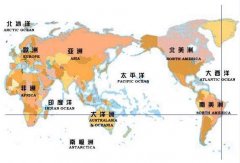
Where Colombian Coffee Comes From and How It’s Made
Ever wondered why Colombian coffee tastes so consistently good, or how a country smaller than Brazil manages to be the second-largest specialty coffee producer in the world? The answer lies in its centuries-old traditions, unique mountain geography, and a national system that puts quality first.
Colombia produces around 13 million 60kg bags of coffee annually — second only to Brazil’s 22 million — making it the top producer of washed Arabica beans globally. Its coffee is exported under the country’s own name, a rare honor, and is known for its balanced profile, medium acidity, and smooth, silky body.
The Origins of Colombian Coffee
Coffee arrived in Colombia in 1808, brought by a priest from the French Antilles via Venezuela. Unlike many countries where coffee developed haphazardly, Colombia built its coffee industry deliberately. The government created strict disease prevention measures — even mandating vehicle disinfection at borders — to protect its coffee trees.
The country established the Federación Nacional de Cafeteros (FNC) in 1927, a private entity that acts on behalf of the state to regulate quality, support farmers, and market coffee. The FNC manages half of all exports, sets minimum export prices, and ensures consistent product standards. It also provides technical support, road building, education, and health care in coffee-growing regions.
Why Colombia’s Geography Makes Better Coffee
Colombia’s coffee thrives thanks to its location along the Andes Mountains, which split into three parallel cordilleras running north to south. These high-altitude ridges create microclimates with consistent temperatures, just the right humidity, and year-round harvest cycles. Unlike Brazil, Colombia doesn’t face frost risks, allowing steady production without seasonal disruptions.
The three main coffee-growing ranges — known collectively for their key cities as the MAM region (Medellín, Armenia, Manizales) — produce the country’s most sought-after beans. Medellín coffee from this zone is especially prized: it has dense beans, rich flavor, balanced acidity, and strong aromatics. The other MAM cities, Armenia and Manizales, also contribute high-quality lots. East of the central range, the regions around Bogotá and Bucaramanga grow coffee with slightly lower acidity but equally impressive balance.
Colombia’s coffee zones span both the central and eastern mountain ranges. The majority of premium-grade Colombian coffee comes from the MAM region, thanks to its optimal elevation — mostly between 1,500 and 2,000 meters — and ideal growing conditions. The FNC and international buyers alike prioritize beans from this zone for their consistency and complexity.
How Colombian Coffee Is Grown and Processed
Most Colombian coffee is grown on small farms and modern plantations. About 66% of the nation’s estimated 2.7 billion coffee trees are cultivated using modern methods. The average yield has risen from 600 kg per hectare in the 1960s to around 900 kg today, with top farms reaching an impressive 2,500 kg per hectare.
Quality control is paramount. The FNC enforces strict quality benchmarks and oversees the majority of washing stations. Colombia is the world’s largest exporter of washed (wet-processed) Arabica beans. The washed process enhances clarity and brightness, contributing to the clean, balanced cup profile Colombian coffee is known for.
Coffee in Colombia is typically harvested at optimal ripeness and processed using the washed method, ensuring clean flavors and bright acidity. Most beans are classified by bean size and cup quality, with the top two commercial grades being Supremo and Excelso. Supremo beans are larger and often sourced from the earliest, highest-quality harvests. Excelso beans are slightly smaller but still deliver refined, aromatic cups. Both are known for their smooth mouthfeel and well-balanced acidity.
The FNC also markets two additional grades: UGQ (Unusual Good Quality) and specialty lots for export. While much of the coffee is sorted for export via official channels, farmers can also sell directly to exporters, though all exports must meet minimum price regulations.
Germany imports 25% of Colombia’s coffee exports, reflecting global trust in its quality. Popular Excelso beans are often sent to Northern Europe, while German roasters favor specific lots such as Klauss and Europa.
What Determines Colombian Coffee’s Flavor?
Colombian coffee is famously smooth, well-balanced, and easy to drink — often described as having a “silky” body. Its flavor varies by region, but common tasting notes include caramel, nuttiness, mild citrus, and chocolate. The country’s focus on washed processing highlights clarity and subtle fruit tones without overwhelming acidity.
The famed MAM region (Medellín, Armenia, Manizales) produces beans that are dense, aromatic, and well-structured. Medellín coffee is particularly valued for its rich, rounded profile. In contrast, Bogotá-area coffees tend to have lower acidity but similar balance. Across all regions, elevation and microclimate drive differences in sweetness, acidity, and aroma.
While the traditional Bourbon variety dominated, some debate exists today about replacing it with higher-yielding but potentially lower-quality Arabica hybrids. However, many experts argue that in the right terroir, the flavor difference may be minimal — especially when combined with Colombia’s meticulous processing and quality controls.
Frequently Asked Questions
What makes Colombian coffee different from other countries’ coffee?
Colombian coffee is unique due to its mountainous geography, which creates stable microclimates and allows year-round harvesting. It is also the world’s largest exporter of washed Arabica beans and is one of the few countries that markets coffee under its own national name, ensuring a consistent quality standard backed by the FNC.
Which part of Colombia produces the best coffee?
The MAM region — made up of Medellín, Armenia, and Manizales — is most famous for high-quality Colombian coffee. Medellín coffee from this zone is especially prized for its dense beans, rich aroma, balanced acidity, and full flavor. Other notable regions include Bogotá and Bucaramanga in the eastern range.
What are the main coffee growing grades in Colombia?
The top commercial grades are Supremo and Excelso. Supremo beans are larger and usually from the earliest harvests, offering more pronounced flavor. Excelso beans are slightly smaller but still deliver a smooth, aromatic cup. There’s also a grade called UGQ (Unusual Good Quality) and various specialty lots aimed at export markets.
Does Colombia only grow Arabica coffee?
Yes, Colombia focuses almost entirely on Arabica, particularly washed Arabica. Very little Robusta (or Canephora) is grown compared to other major producers. This focus on Arabica contributes to the country’s reputation for high-quality, smooth-tasting coffee.
How has the FNC influenced Colombian coffee quality?
The Federación Nacional de Cafeteros (FNC), founded in 1927, plays a central role in maintaining quality standards, supporting farmers, funding infrastructure, marketing coffee, and ensuring minimum export prices. It represents the government in coffee affairs and helps stabilize the industry even during global price downturns.
What coffee processing method is most common in Colombia?
Washed (wet) processing is the dominant method in Colombia. It enhances the clarity, brightness, and cleanliness of the cup — leading to the balanced, approachable profiles Colombian coffee is known for. Most exported beans are washed to meet international specialty standards.
Recommended FrontStreet Beans from Colombia
For a true taste of Colombian coffee, try FrontStreet’s Colombian beans sourced from the Huila region. Their house blend highlights chocolate, caramel, and nutty notes with a balanced acidity — perfect for everyday drinking. For fruitier profiles, look into their single-origin offerings that showcase bright acidity and juicy profiles, ideal for pour-over or drip brewing. All are washed processed and roasted to highlight their inherent sweetness and clarity. Freshly roasted within 5 days · Orders placed before 17:00 ship the same day · Next-day delivery across most of Guangdong Province.
FrontStreet Coffee is a long-established specialty coffee roaster in Guangzhou China, selling freshly roasted beans from its own farm in Yunnan as well as dozens of carefully selected single-origin beans from around the world for both pour-over and espresso. The products deliver consistently excellent quality and great value, with shipping within 24 hours. Guangzhou's FrontStreet Coffee shop is recommended by many coffee lovers, and the beans are now available online at the Tmall 。
Important Notice :
前街咖啡 FrontStreet Coffee has moved to new addredd:
FrontStreet Coffee Address: 315,Donghua East Road,GuangZhou
Tel:020 38364473