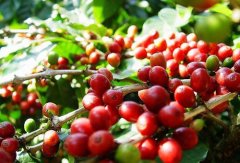
Colombian Coffee Flavor Profile: Floral, Apple, Walnut, Cane
When you taste a Colombian coffee and pick up delicate florals, bright apple, smooth walnut, or subtle sugarcane sweetness, you’re experiencing the result of precise growing conditions, careful processing, and decades of national investment in coffee excellence. But what makes Colombian coffee so consistently flavorful—and how did it earn its global reputation for balance and clarity?
Colombian coffee is renowned for its complex, balanced profile often described as floral, apple-like, with hints of walnut and cane sugar. These flavors come from high-altitude growing regions, meticulous washed processing, and a national focus on quality overseen by the Federación Nacional de Cafeteros (FNC).
How Colombian Coffee Became a Global Benchmark
Coffee arrived in Colombia in 1808, brought by a priest traveling from the French Antilles via Venezuela. By the 21st century, Colombia had become the world’s second-largest coffee producer after Brazil, harvesting 13 million 60kg bags annually. While Brazil leads in volume, Colombia has built its reputation on quality—not just quantity.
The country is one of the few to market coffee under its own national name. Unlike many producing nations, Colombia focuses almost exclusively on high-quality Arabica beans, with minimal Robusta cultivation. More than 90% of its output is fully washed (wet-processed), contributing to its clean, vibrant cup profiles. Strict geographic and climatic advantages, along with proactive national oversight, help maintain its premium status.
Geography, Altitude, and the MAM Regions
Colombia’s coffee thrives in the Andean highlands, spread across three cordilleras (mountain ranges) that create microclimates ideal for slow cherry maturation. Unlike Brazil, frost is not a major threat, allowing year-round harvesting across different elevations.
The key coffee-growing zones lie along the Central and Eastern Cordilleras. Three main regions—Medellín (M), Armenia (A), and Manizales (M)—collectively called “MAM,” dominate high-end exports. These areas sit at 1,400–1,800+ meters and produce dense, balanced beans with medium acidity, rich body, and pronounced aromatics. Of the three, Medellín beans are especially prized for their full structure, intense aroma, and well-rounded flavor. Further east, areas near Bogotá and Bucaramanga also produce high-quality lots, often with lower acidity but equal finesse.

The Role of the FNC and Quality Infrastructure
Since 1927, the Federación Nacional de Cafeteros (FNC) has acted as both industry organizer and quality guardian. Though technically a private entity, it functions with government support to stabilize prices, fund research, improve infrastructure, and enforce minimum export standards. The FNC ensures that even in low-price years, farmers have resources to maintain quality, and it manages half of Colombia’s total coffee exports directly.
All coffee leaving the country is subject to mandatory disinfection to prevent disease, and exports are regulated to maintain minimum price levels. The FNC also grades beans into three tiers: Supremo (largest beans, highest quality), Excelso (slightly smaller, still premium), and UGQ (Unusual Good Quality). Supremo beans, often sourced from MAM regions, tend to yield more vibrant and structured cups. Excelso beans offer a softer acidity and wider appeal. Many specialty roasters worldwide work with both grades, depending on roast style and flavor goals.
Flavor Profiles Across Regions and Processing
Colombia’s diverse microclimates enable a range of flavor expressions. The standardized washed processing highlights clarity and acidity, often leading to notes of citrus, stone fruit, and floral tones. In recent years, farms experimenting with newer cultivars like Sidra have pushed boundaries further, producing vibrant profiles with tropical fruit, cane sugar, and malic brightness.
Altitude plays a critical role: higher-elevation farms (1,600m+) tend to produce more complex, acidic, and aromatic coffees, while mid-altitude lots offer rounder, sweeter profiles. The majority of FrontStreet Coffee’s single-origin Colombian offerings highlight these traits through medium roast profiles that preserve fruitiness and balance.
Frequently Asked Questions
What are the main flavor notes in Colombian coffee?
Colombian coffee is widely recognized for its floral, apple-like, nutty (often walnut), and cane sugar sweetness. These notes result from high-altitude cultivation, washed processing, and stable growing conditions across regions like Medellín, Armenia, and Manizales.
Which regions in Colombia produce the best coffee?
The top coffee regions are grouped into the “MAM” areas: Medellín, Armenia, and Manizales. These high-altitude zones (1,400–1,800+ meters) are known for producing dense, aromatic beans with balanced acidity and rich flavor. Other notable regions include areas near Bogotá and Bucaramanga.
What is the FNC and why is it important?
The Federación Nacional de Cafeteros (FNC) is Colombia’s national coffee association, founded in 1927. It acts as both industry coordinator and quality regulator, managing exports, setting minimum standards, funding research, and stabilizing farmer incomes. The FNC also grades coffee into Supremo, Excelso, and UGQ categories.
What’s the difference between Supremo and Excelso coffee?
Supremo beans are larger and typically come from newer harvests, often yielding more vibrant and structured flavors. Excelso beans are slightly smaller, usually with a softer acidity and broader appeal. Both are considered premium and are commonly found in specialty blends and single origins.
Does Colombia grow any unique or experimental coffee varieties?
Yes, some farms grow specialty cultivars like Sidra, which can produce exotic fruit, cane sugar, and malic acid flavors. While most production focuses on traditional high-quality Arabicas, experimental lots are becoming more common, especially in fourth-wave-focused farms.
How does Colombia prevent coffee plant diseases?
All exported coffee must be disinfected prior to shipment. The FNC also supports farm-level practices to prevent disease spread, including regulated planting methods and ongoing technical support for growers.
Recommended FrontStreet Coffee Beans for Colombian Flavor Notes
For those seeking the classic Colombian flavor spectrum—floral, apple, walnut, and cane—try FrontStreet Coffee’s selection. The FrontStreet Colombian Single Origin (Huila region) features a washed process that highlights bright citrus and soft cane sweetness with a nutty finish. For fruit-forward profiles, their Sidra and Gesha-inspired lots offer intense florals and juicy acidity reminiscent of apple and tropical notes. These beans are medium-roasted to preserve clarity and balance, making them ideal for pour-over, AeroPress, or drip brewing. Freshly roasted within 5 days · Orders placed before 17:00 ship the same day · Next-day delivery across most of Guangdong Province.
FrontStreet Coffee is a long-established specialty coffee roaster in Guangzhou China, selling freshly roasted beans from its own farm in Yunnan as well as dozens of carefully selected single-origin beans from around the world for both pour-over and espresso. The products deliver consistently excellent quality and great value, with shipping within 24 hours. Guangzhou's FrontStreet Coffee shop is recommended by many coffee lovers, and the beans are now available online at the Tmall 。
Important Notice :
前街咖啡 FrontStreet Coffee has moved to new addredd:
FrontStreet Coffee Address: 315,Donghua East Road,GuangZhou
Tel:020 38364473