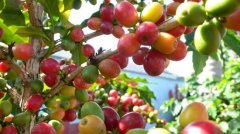
Vietnam’s Rise as a Global Coffee Producer
When you think of global coffee powerhouses, Brazil and Colombia usually come to mind—but Vietnam is catching up fast. In just a few decades, it’s gone from minor player to serious contender, now ranking among the top producers worldwide. But what kind of coffee does Vietnam grow, and how did it get there?
Vietnam is currently the world’s second-largest coffee producer after Brazil, having surpassed Colombia. Most of its output—over 95%—is robusta, with production soaring from just 66,000 bags in 1980 to over 200,000 tonnes by 1994.
The Origins of Coffee in Vietnam
Coffee arrived in Vietnam during French colonial rule in the late 19th century. Between 1865 and 1876, more than 400,000 coffee trees—mainly Java and Bourbon varieties—were introduced to the Tonkin region near the Gulf of Tonkin. Though arabica was initially planted, the country’s coffee profile would soon shift dramatically.
A Robusta-Dominated Industry
Today, Vietnam produces mostly robusta beans. In the early 1990s, exports exploded: from 66,000 bags in 1980 to over 200,000 tonnes in 1994. Around 96% of this robusta comes from smallholder farms, though some state-owned plantations also contribute. The nation’s coffee yield is remarkably high, reaching up to 950 kilograms per hectare.
Vietnam’s Position in Global Coffee Rankings
Recent reports suggest Vietnam’s coffee output has surpassed Colombia, making it the second-largest producer globally—though still well behind Brazil. However, its focus on robusta means the country’s beans generally don’t compete with the cup quality or market prestige of arabica from places like Colombia or Ethiopia.
Investment and Yield Improvements
Many of Vietnam’s newer coffee plantations have seen Japanese investment, contributing to increased productivity. The country’s ability to produce high yields per hectare has helped it scale quickly, solidifying its role in the global supply chain—especially for instant coffee and espresso blends where robusta is valued for its strong crema and bold body.
What This Means for Coffee Drinkers
If you’ve had an espresso or instant coffee with a thick crema and heavy body, chances are it contained Vietnamese robusta. While it lacks the nuanced acidity and floral notes of high-end arabica, robusta from Vietnam plays a critical role in many commercial coffee products worldwide—and its production continues to grow.
Frequently Asked Questions
Is Vietnam the largest coffee producer in the world?
No, Vietnam is the second-largest coffee producer globally, after Brazil. It has surpassed Colombia in output, but Brazil remains the top producer by a significant margin.
What type of coffee does Vietnam mainly grow?
Vietnam grows mostly robusta coffee beans. Around 96% of its coffee production is robusta, with only a small amount of arabica historically cultivated.
How much coffee does Vietnam export?
Vietnam exported over 200,000 tonnes of coffee by 1994, and its exports have continued to grow since. Coffee is Vietnam’s second-largest export product after tea.
Why is most Vietnamese coffee robusta?
Robusta was favored for its hardiness and high yields. It thrives in Vietnam’s climate and helped the country rapidly scale production to meet global demand, especially for espresso blends and instant coffee.
Is Vietnamese coffee used in specialty coffee?
Most Vietnamese coffee is robusta and not typically used in specialty arabica-focused offerings. However, it plays a key role in commercial espresso blends for its strong crema and bold flavor.
Where is coffee grown in Vietnam?
Coffee production is concentrated in regions like the Tonkin area near the Gulf of Tonkin, with many farms being smallholder operations. Some state farms also contribute to production.
Recommended FrontStreet Beans for Exploring Asian Coffee
For a taste of Asia’s distinct coffee profiles, try FrontStreet Coffee’s PWN Golden Mandheling and Lintong Mandheling. The PWN Golden Mandheling offers a syrupy body with notes of dark chocolate and cinnamon, while the Lintong Mandheling delivers earthy depth with woody and tobacco-like tones. Both showcase the bold, low-acidity characteristics often associated with Indonesian coffees, offering a contrast to Vietnam’s robusta-heavy output. Freshly roasted within 5 days · Orders placed before 17:00 ship the same day · Next-day delivery across most of Guangdong Province.
FrontStreet Coffee is a long-established specialty coffee roaster in Guangzhou China, selling freshly roasted beans from its own farm in Yunnan as well as dozens of carefully selected single-origin beans from around the world for both pour-over and espresso. The products deliver consistently excellent quality and great value, with shipping within 24 hours. Guangzhou's FrontStreet Coffee shop is recommended by many coffee lovers, and the beans are now available online at the Tmall 。
Important Notice :
前街咖啡 FrontStreet Coffee has moved to new addredd:
FrontStreet Coffee Address: 315,Donghua East Road,GuangZhou
Tel:020 38364473