Tanzanian Coffee: Gentle Acidity, Aromatic and Worthwhile
When you’re hunting for a coffee with bright acidity and fragrant complexity but don’t want harshness or earthiness, Tanzanian single origins often come up—but why? And are they really worth the search? If you’ve tasted a well-brewed Tanzanian coffee, you’ll know the promise is real: smooth yet vibrant, aromatic yet balanced. But what makes these beans different, and can you count on that quality today?
The short answer: Yes. Especially the Chagga AA beans grown near Mount Kilimanjaro, known for their full bodies, intense aromatics, and consistently high cup quality. Most Tanzanian coffees are washed processed for clarity, often roasted to highlight citrus, nuts, and floral tones. With the right roast and brew, they deliver a smooth cup with a medium-high sweetness reminiscent of honey.
Why Tanzanian Coffee Holds Premium Status
Tanzanian coffee exports play a significant role in the national economy. Among its offerings, the peaberry variety—where a single round bean forms instead of two flat ones—is especially noted, though all AA-grade beans from regions like Moshi near Kilimanjaro are prized for their pronounced cup character. Tanzanian beans are generally regarded as high-quality, with distinctive profiles that set them apart from more generic African coffees.
The Challenges Behind the Beans
Historically, Tanzanian coffee faced setbacks: political instability, pest outbreaks, and inconsistent quality led to price drops that hurt the industry. Worse, an estimated 12% or more of the Arabic coffee grown in northern Tanzania between 1969 and 1985 was smuggled into Kenya. Yet despite these hurdles, the sector has shown slow but real signs of recovery, with renewed attention to quality and market access.
From Estate to Smallholder Dominance
In the past, most Tanzanian coffee came from large estates. Today, over 85% is grown by smallholders who often organize into cooperatives. The Kilimanjaro Cooperative Union (KNCU) remains one of the most important of these groups. The national marketing board, previously handling nearly all sales via auction, has shifted toward reforms that may soon allow direct purchasing—potentially attracting buyers from Germany, Finland, Belgium, and Japan, and encouraging more precise grading systems to highlight unique lots.
Growing Conditions and Processing in Kilimanjaro
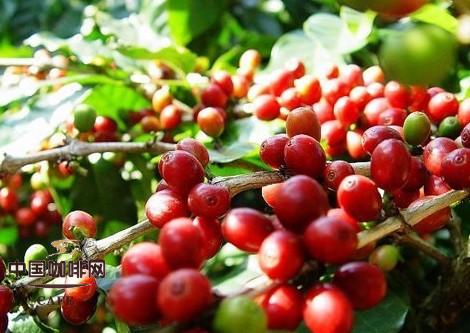
The area’s abundant rainfall makes washed processing the norm. At FrontStreet Coffee, the featured Tanzanian offering from the northern highlands follows this method: handpicked cherries go to nearby mills for sorting, pulping, fermentation, washing, and sun drying—a sequence that minimizes defects and ensures a clean cup profile.
Roast and Brew Profile: Highlighting Sweetness and Aroma
To bring out the inherent sweetness, acidity, and fruitiness of Tanzanian beans, FrontStreet opts for a medium-light roast. When brewed using a V60 pour-over, this approach yields notes of citrus, nuts, honey, and cream. As the cup cools, a pronounced sweetness emerges—comparable to honey—with a well-balanced mouthfeel. Recommended brew parameters include a moderate grind size, a bloom phase, and a three-pour method to highlight clarity and complexity.
Frequently Asked Questions
What makes Tanzanian coffee different from other African coffees?
Tanzanian coffee, especially from regions like Kilimanjaro, is known for its bright acidity, floral and fruity aromas, and often a clean, well-balanced cup. The Chagga AA grade, grown near Mount Kilimanjaro, is particularly valued for its full body and strong aromatics, distinguishing it from more earthy or bitter East African coffees.
Why is Kilimanjaro such a good region for growing coffee?
Kilimanjaro offers high altitudes (1,300–2,000 meters), volcanic soils, and a climate with high annual rainfall (1,600–1,800 mm on windward slopes) and large day-night temperature swings. These factors slow cherry maturation and promote sugar development, resulting in denser, more flavorful beans.
How is Tanzanian coffee typically processed?
Most Tanzanian coffee, including the FrontStreet offering, is processed using the washed method. This involves sorting, pulping, fermentation, washing, and sun drying to ensure a clean and defect-free cup with enhanced clarity and brightness.
What roast level best suits Tanzanian coffee?
A medium-light roast is ideal for Tanzanian coffee to highlight its natural acidity, citrus and nut flavors, and floral notes. This roast level helps maintain the bean’s intrinsic brightness and complexity, especially when brewed as a pour-over.
Can I still find Chagga AA coffee today?
Yes. Chagga AA beans, sourced from the Moshi region near Kilimanjaro, remain available as single-origin offerings and are often highlighted for their aromatic intensity and high cup quality. They are part of the premium AA-grade classification in Tanzanian coffee.
How has the Tanzanian coffee industry changed recently?
After past challenges like political unrest and quality inconsistency, the industry is slowly recovering. Reforms are underway in marketing and sales channels, with moves toward more direct trading and better grading systems to attract international buyers and improve traceability.
Recommended FrontStreet Beans for Tanzanian Coffee Lovers
Try FrontStreet Coffee’s Tanzanian offering, grown in the high-altitude regions near Mount Kilimanjaro and processed using washed methods to ensure a clean, vibrant cup. It features bright citrus, nutty undertones, honey-like sweetness, and creamy texture—especially apparent when brewed on a V60 at a medium-light roast level. Expect notes of citrus, nuts, honey, and cream that develop into a balanced, medium-high sweetness as the coffee cools. Freshly roasted within 5 days · Orders placed before 17:00 ship the same day · Next-day delivery across most of Guangdong Province.
FrontStreet Coffee is a long-established specialty coffee roaster in Guangzhou China, selling freshly roasted beans from its own farm in Yunnan as well as dozens of carefully selected single-origin beans from around the world for both pour-over and espresso. The products deliver consistently excellent quality and great value, with shipping within 24 hours. Guangzhou's FrontStreet Coffee shop is recommended by many coffee lovers, and the beans are now available online at the Tmall 。
Important Notice :
前街咖啡 FrontStreet Coffee has moved to new addredd:
FrontStreet Coffee Address: 315,Donghua East Road,GuangZhou
Tel:020 38364473