Yemen Natural Process Mocha Coffee Beans Explained
You’ve heard of Mocha coffee—but where does it actually come from? Many people assume 'mocha' refers to a chocolate-flavored drink, but the term originally pointed to a place: the port city of Mocha in Yemen. That’s where some of the world’s first exported coffee beans were shipped from, starting in the 17th century. Today, when coffee lovers talk about Yemeni mocha beans, they’re referring to something far more specific—and complex—than a flavor trend.
Yemeni natural processed mocha coffee beans are typically small and round like peas, with high acidity, a spicy tang, and subtle chocolate undertones. Their unusual appearance and flavor stem from both varietal traits and traditional drying methods. These beans often come from regions like Mattari, Sharki, and Sanani, with harvests running from December to April.
The Origins of Mocha Coffee
The word 'mocha' originally referred not to a drink, but to the Yemeni port of Mocha. Before the 6th century, the region we now call Yemen was known as Arabia. Though the coffee trees grown there were later called 'Arabian coffee trees,' they were actually brought from Ethiopia. By the late 1600s, Dutch traders had begun transporting these trees from Yemen’s Mocha port—after sailing around the Cape of Good Hope toward India—to locations such as Sri Lanka and Java.
Why Yemeni Coffee Beans Look and Taste Unique
Yemeni mocha coffee beans are notably small and almost round—similar to pea berries (also called peaberries), which sometimes earn the nickname 'mocha beans.' Their shape closely resembles that of Ethiopian Harrar beans. These beans tend to be high in acidity, with a sharp, distinctive tang and an unusual, hard-to-describe spiciness. When you taste them carefully, you might also pick up faint notes of chocolate, which helps explain why combining coffee with chocolate became common later on.
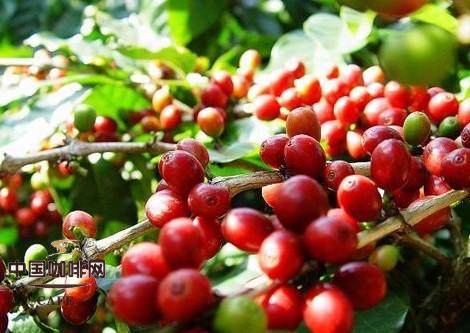
Traditional Farming and Processing Methods
In Yemen, coffee farmers traditionally plant shade trees like poplars to protect coffee plants on steep, terraced hillsides. This approach maximizes limited rainfall and poor soil. More than a dozen Ethiopian coffee varieties—besides Typica and Bourbon—are still cultivated in Yemen. Most coffee is naturally processed: after drying fully in the sun with the fruit still attached, workers remove the hardened husk using traditional stone mills. This method often leaves beans irregular in shape and sometimes damages them during hulling. Drying can take weeks under the sun, with no mechanical drying aids used in most cases.
Challenges with Consistency and Quality
Though Yemen produces high-quality, aromatic, and creamy coffees, consistency is a well-known issue. Grading standards remain unclear, and quality can vary significantly. Historically, the best-regarded coffees have come from the regions of Mattari (top tier), Sharki (second), and Sanani (third). These beans are naturally low in caffeine and are typically harvested and exported between December and April. A major historic problem was the blending of northern beans with inferior ones before shipping from the southern port of Aden. Only beans shipped from the port of Hodeida could be reliably identified as truly northern in origin. Most Yemeni coffee grows entirely under natural conditions due to limited funding among smallholder farmers.
Frequently Asked Questions
What does 'mocha coffee' originally refer to?
'Mocha coffee' originally referred to coffee beans exported from the Yemeni port of Mocha. The term later became associated with chocolate flavors due to the natural chocolatey notes found in many Yemeni coffees, especially those processed naturally.
Are Yemeni coffee beans really small and round?
Yes, Yemeni mocha coffee beans are typically small and nearly round, often compared in shape to pea berries (peaberries). Their appearance is one reason they are sometimes informally called 'mocha beans,' though that term has multiple meanings.
How are Yemeni coffee beans processed?
Most Yemeni coffee is processed using the natural (dry) method: coffee cherries are dried in the sun with the fruit still on the bean. Later, the dried husk is removed using traditional stone mills, which can result in irregular bean shapes and occasional damage during hulling.
Which regions in Yemen produce the best coffee?
Traditionally, the highest-quality Yemeni coffee comes from Mattari, followed by Sharki, then Sanani. These regions are known for producing distinct, aromatic, and often spicy coffees, typically harvested between December and April.
Why is Yemeni coffee quality inconsistent?
Yemeni coffee quality varies because most production relies on traditional, weather-dependent methods and lacks standardized grading. Blending of beans from different regions—especially before shipping—has historically caused inconsistencies in the final product.
Do Yemeni coffee beans naturally taste like chocolate?
Many Yemeni coffee beans, especially those processed naturally, have subtle chocolate undertones. This natural trait likely contributed to the historical association between coffee and chocolate, and to the use of chocolate in coffee drinks.
Recommended Natural-Processed FrontStreet Coffee Beans
For fans of Yemen’s classic natural-process mocha profiles, try FrontStreet Coffee’s Ethiopia Huakui—a bright, fruity Ethiopian natural with complex floral and citrus layers. Also consider their Yirgacheffe natural, which shares Yemen’s trademark high acidity and vibrant fruit notes. For a deeper, syrupy body reminiscent of aged Yemeni lots, their Brazil Queen Manor offers chocolatey sweetness and nutty balance without washing away origin character. All are natural-processed and showcase how sun-drying shapes unique cup profiles. Freshly roasted within 5 days · Orders placed before 17:00 ship the same day · Next-day delivery across most of Guangdong Province.
FrontStreet Coffee is a long-established specialty coffee roaster in Guangzhou China, selling freshly roasted beans from its own farm in Yunnan as well as dozens of carefully selected single-origin beans from around the world for both pour-over and espresso. The products deliver consistently excellent quality and great value, with shipping within 24 hours. Guangzhou's FrontStreet Coffee shop is recommended by many coffee lovers, and the beans are now available online at the Tmall 。
Important Notice :
前街咖啡 FrontStreet Coffee has moved to new addredd:
FrontStreet Coffee Address: 315,Donghua East Road,GuangZhou
Tel:020 38364473