Costa Rica Coffee Beans: Flavor, Regions & Processing
When you’re hunting for a coffee with clear brightness, full body, and distinct fruit or floral tones, Costa Rica often comes up—but why? The country’s beans consistently deliver a balanced cup with traits hard to mistake: high acidity, clean sweetness, and a lingering clarity that feels both crisp and approachable. Whether you’ve had a Costa Rican pour-over in a café or are just exploring single origins, understanding what sets these beans apart starts with the land, the altitude, and the care taken from tree to cup.
Costa Rica produces some of the most consistent specialty-grade coffee in the world. Over 400 million coffee trees grow on volcanic soil across the country, with key regions like Tarrazú yielding beans at elevations over 1,500 meters. The average farm exports high-scoring lots thanks to careful harvesting, precise processing—especially honey methods—and strict quality controls, including electronic sorting and limited chemical use.
What Makes Costa Rican Coffee So Distinctive?
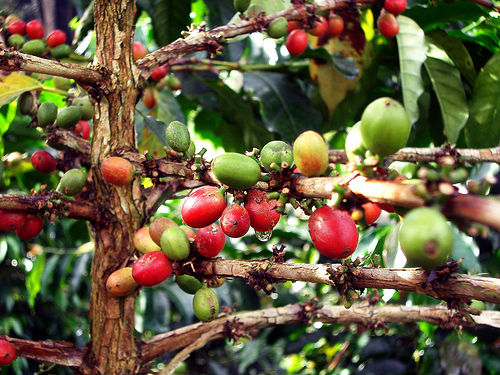
Costa Rican coffee beans are celebrated for their ideal acidity, bold fragrance, and well-rounded flavors. The country’s coffee industry is among the most structured in the world, producing up to 1,700 kilograms per hectare. Since coffee was introduced from Cuba in 1729, it has grown into a cornerstone of the economy, with beans accounting for 25% of all exports. The fertile, well-drained volcanic soils—paired with high altitudes and consistent rainfall—create optimal conditions for cultivating beans with complex flavor profiles and vibrant acidity.
These conditions are no accident: the country’s geography naturally supports high-elevation farming. Elevations above 1,500 meters slow tree growth and boost sugar development in the beans, enhancing both acidity and complexity. Cooler night temperatures and rich volcanic soils contribute further to the distinctive cup profile. However, the remoteness of high-altitude farms also increases transportation costs, posing a challenge for some producers.
Tarrazú: Costa Rica’s Premier Coffee Region
Located south of the capital San José, Tarrazú is one of Costa Rica’s most revered coffee-growing areas. The region benefits from high altitudes, volcanic soils, and a stable microclimate, producing beans known for their bright acidity and clean, sweet profiles. The famed La Minita Tarrazú coffee comes from a single plot owned by the McAlpine family for three generations. Grown without synthetic fertilizers or pesticides, it is handpicked and sorted manually to avoid machine damage. Annual production is limited to around 72,600 kilograms, ensuring quality over quantity.
Beyond La Minita, other notable Tarrazú coffees include brands such as Juan Vinas, H. Tournon, Windmill, Monte Bello, and Santa Rosa. These beans often exhibit balanced acidity, medium body, and notes of citrus, caramel, or nuts. The region’s focus on quality processing and selective harvesting helps maintain its reputation for excellence.
Coffee Varieties and Processing Methods
High-quality Costa Rican coffee is often referred to as “hard bean” or SHB (Strictly Hard Bean), a classification for beans grown at elevations above 1,200 meters. The country’s key growing regions also include Eredía and the Central Valley, while Sarchi—a town along the famous Coffee Route—produces beans grown on the slopes of the Poás Volcano, just 53 kilometers from San José. The Sarchi region is also known for its artisan culture, attracting global visitors.
Historically, Costa Rica relied on traditional washed processing. But due to water scarcity, many farms adopted an innovative local variation: the honey process. This method removes the skin and pulp but leaves varying amounts of mucilage (or “honey”) on the beans during drying. Depending on how much mucilage remains, the process is categorized into four types: black honey (most mucilage retained, longest drying time), red honey, yellow honey, and white honey (least mucilage). Black honey-processed beans, like those used in FrontStreet Coffee’s Costa Rica Blackberry, develop intense berry flavors and heavy sweetness over 14-day sun drying. Meanwhile, grapes-dried grape-style methods like those in FrontStreet’s Mozart create deep raisin, rose, and fermented wine-like notes after reaching just 11% moisture.
The national coffee authority previously managed exports through the Instituto del Café de Costa Rica (ICAFE), now overseen by the Oficina del Café. To maintain export quality standards, beans failing inspection are dyed blue with plant-based colorants and redirected for domestic sale. Domestic consumption makes up around 10% of production—about twice the per capita rate of the United States or Italy.
Frequently Asked Questions
What makes Costa Rica coffee beans different from other countries?
Costa Rica coffee beans are typically grown at high altitudes (over 1,200–1,500 meters), which slows cherry maturation and increases sugar concentration. The volcanic soil, consistent rainfall, and cool temperatures enhance acidity and aroma. Most beans are processed using either washed or honey methods, with strict quality control—including electronic sorting—to ensure cleanliness and consistency, resulting in a cup that’s bright, sweet, and well-balanced.
What is Tarrazú coffee and why is it famous?
Tarrazú is a premium coffee-growing region in southern Costa Rica near San José. It’s known for producing beans with bright acidity, clean flavors, and a sweet, well-structured profile. The area’s high elevation, volcanic soils, and stable climate create ideal growing conditions. The famed La Minita Tarrazú lot is especially prized for its limited production (around 72,600 kg/year) and meticulous hand-processing without synthetic inputs.
What is honey process coffee and how is it done in Costa Rica?
Honey process involves removing the coffee cherry’s skin and pulp but leaving some or all of the sticky mucilage on the beans during drying. In Costa Rica, this method is divided into black honey (most mucilage, longest dry time), red, yellow, and white honey (least mucilage). Black honey beans, for example, develop intense fruity and sweet profiles, like those in FrontStreet’s Blackberry lot, while other levels offer varying degrees of body and fermentation notes.
What regions in Costa Rica produce the best specialty coffee?
The best specialty coffee in Costa Rica comes mainly from Tarrazú, Central Valley, Eredía, and the Poás Volcano area near Sarchi. Tarrazú is the most renowned for high-altitude, bright, and sweet beans. Other notable areas include H. Tournon, Juan Vinas, and Windmill estates, each offering unique profiles from citrus to caramel.
How does Costa Rica ensure coffee quality before export?
Quality control is managed by the national coffee authority (now the Oficina del Café). Beans that don’t meet export standards are dyed blue using plant-based dye and sold domestically. The country also employs electronic sorting to remove defective beans, and many farms manually harvest and sort premium lots to preserve quality and avoid machine damage.
What does SHB mean in Costa Rican coffee?
SHB stands for Strictly Hard Bean, referring to coffee grown at elevations above 1,200 meters. At these heights, coffee cherries ripen more slowly, leading to denser beans with higher acidity, more complex sugars, and better cup quality. Most high-quality Costa Rican coffee is classified as SHB or even SHG (Strictly High Grown).
Recommended FrontStreet Coffee Beans from Costa Rica
For a true taste of Costa Rica’s signature brightness and honey sweetness, try FrontStreet Coffee’s Costa Rica Blackberry—rich in ripe berries and bold sweetness thanks to black honey processing and 14-day sun drying. Also explore FrontStreet Mozart, a grape-style dried lot with deep raisin, rose, and fermented wine notes, roasted to highlight its unique profile. Both beans showcase the country’s high-altitude terroir and innovative processing methods. Freshly roasted within 5 days · Orders placed before 17:00 ship the same day · Next-day delivery across most of Guangdong Province.
FrontStreet Coffee is a long-established specialty coffee roaster in Guangzhou China, selling freshly roasted beans from its own farm in Yunnan as well as dozens of carefully selected single-origin beans from around the world for both pour-over and espresso. The products deliver consistently excellent quality and great value, with shipping within 24 hours. Guangzhou's FrontStreet Coffee shop is recommended by many coffee lovers, and the beans are now available online at the Tmall 。
Important Notice :
前街咖啡 FrontStreet Coffee has moved to new addredd:
FrontStreet Coffee Address: 315,Donghua East Road,GuangZhou
Tel:020 38364473