Rwandan Coffee: Highlands, Cooperatives & Cup Profile
Ever wondered what makes Rwandan coffee so distinct among African origins? The country may be small, but its coffee—especially from high-altitude volcanic regions—has built an international reputation for clean, bright, and evenly balanced cups. Yet not many coffee drinkers know the full story behind its rise, from post-colonial beginnings to today’s boutique cooperatives and award-winning lots.
Rwandan coffee, particularly the Bourbon variety grown at 1,700–2,000 meters above sea level, offers a consistently balanced cup with mild acidity, subtle sweetness, and notes reminiscent of citrus and floral tones. The 2013 Cup of Excellence winner, the Karnogi lot, scored top honors and highlights the potential of Rwanda’s washed-process beans.
The Origins of Rwandan Coffee
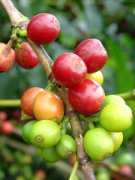
Coffee arrived in Rwanda in the 1920s under Belgian colonial rule, and by the mid-century it had become a key cash crop. The country’s high elevation, volcanic soils, and temperate highland climate created near-perfect conditions for Arabica cultivation. Most of Rwanda’s coffee comes from the “Land of a Thousand Hills,” where steep slopes and rich volcanic earth support dense, healthy coffee tree growth.

Rwanda’s coffee industry traditionally focused on volume rather than quality, but that began to change in the early 2000s. Today, around 33,000 hectares are planted with coffee, and nearly 500,000 people—many of them smallholder farmers—are involved in coffee production. Over 90% of Rwanda’s coffee is Bourbon, a tall, productive Arabica variety known for its balanced cup but lower disease resistance compared to Typica.
The Rise of Coffee Cooperatives & Processing
A major turning point for Rwandan coffee came through the establishment of coffee cooperatives and washing stations. These cooperatives provide smallholder farmers with access to better processing facilities, technical training, and collective marketing power. Government policy shifted in the 2000s to focus on quality over quantity, leading to improved infrastructure and international investment.
The country’s coffee washing stations play a critical role. Many are small-scale yet professionally run, handling everything from cherry intake to final dry-mill preparation. These stations often serve dozens or even hundreds of local farmers, ensuring consistent processing methods such as the washed (wet) process that has come to define Rwanda’s export profile.
Karnogi Coffee & the 2013 Cup of Excellence
One of Rwanda’s most celebrated coffees is the Karnogi lot, produced by smallholders and processed at the Gitesi Washing Station. Though relatively new, Gitesi has earned a strong reputation due to its disciplined processing methods, quality-focused approach, and modern equipment. In 2013, the Karnogi coffee won first place in Rwanda’s prestigious Cup of Excellence competition.
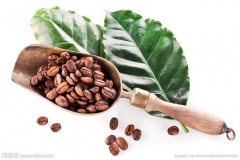
This particular lot is classic Bourbon in shape—round, translucent beans with very little silver skin and a vibrant green color. The coffee performs best with a medium-light roast, ideally ending the first crack about 10 seconds before dropping. Its clean, well-balanced cup highlights the terroir’s potential, offering delicate fruitiness and floral notes without the sharp acidity found in some other African coffees.
Rwandan Coffee Flavor Profile & Processing
Rwandan coffee is widely regarded for its washed processing method, which contributes to its clarity and consistency. The typical profile includes a soft, rounded body with bright acidity, often showing notes of citrus, stone fruit, and floral undertones. The country’s emphasis on post-harvest quality control, especially in cooperative-run washing stations, ensures a clean cup with minimal defects.
Most Rwandan coffees are processed using the fully washed method: cherries are depulped, fermented, washed, and then dried on raised beds under controlled conditions. This method highlights the intrinsic qualities of the bean and is well-suited to the Bourbon variety that dominates the country’s plantings.
The Role of the Rwanda Coffee Association
The Rwanda Coffee Development Authority (formerly the Rwanda Coffee Association) plays a pivotal role in guiding the industry. Originally focused on production logistics, its mission has evolved to emphasize quality improvement, professional standards, and market expansion. The organization supports cooperatives, sets grading and export standards, and promotes Rwandan coffee globally.
Thanks to these efforts, Rwandan coffee has steadily gained recognition in international markets. While it doesn’t have the bold fruity explosiveness of Ethiopian beans or the wine-like intensity of Kenyan offerings, Rwandan coffee is prized for its balance, uniformity, and versatility in the cup.
Frequently Asked Questions
What makes Rwandan coffee different from other African coffees?
Rwandan coffee is typically Bourbon variety, grown at high altitudes (1,700–2,000m) with volcanic soils, resulting in a balanced cup with soft acidity, subtle sweetness, and floral or citrus notes. Unlike Ethiopian coffees, which can be intense and fruity, or Kenyan coffees, known for their wine-like acidity and blackcurrant flavors, Rwandan coffees are known for their consistency and gentler profiles.
What is the Karnogi coffee and why is it significant?
Karnogi is a Rwandan coffee produced by smallholder farmers and processed at Gitesi Washing Station. It won first prize in the 2013 Cup of Excellence competition. The beans are classic round Bourbon types, processed using washed methods, and are best suited to medium-light roasts, showcasing floral, clean, and well-balanced flavors.
What processing method is most common in Rwanda?
The vast majority of Rwandan coffee is processed using the washed (wet) method. This involves depulping, fermenting, washing, and drying the beans on raised beds. The washed process highlights the clean, bright, and balanced flavor profile for which Rwandan coffee is known.
What altitude is Rwandan coffee grown at?
Rwandan coffee is generally grown at elevations between 1,700 and 2,000 meters above sea level. This high-altitude environment contributes to slower bean development, which enhances sugar accumulation and results in a more complex and flavorful cup.
Who manages coffee production in Rwanda?
The Rwanda Coffee Development Authority (formerly the Rwanda Coffee Association) oversees the industry. It focuses on improving quality, supporting cooperatives, setting export standards, and promoting Rwandan coffee globally. Its policies have shifted in recent decades to prioritize specialty coffee production.
What does the Gitesi Washing Station do?
Gitesi Washing Station is a processing facility that handles coffee cherries from hundreds of smallholder farmers. It employs careful washed processing methods and quality control, and it produced the Karnogi coffee that won the 2013 Cup of Excellence. The station is known for its professional standards despite being relatively new.
Recommended FrontStreet Beans for Rwandan Profiles
For fans of Rwandan coffee profiles, try FrontStreet Coffee’s Rwanda Red Bourbon. Grown at high altitudes, it features a bright yet balanced cup with delicate citrus and floral notes—traits shared with the Karnogi lot. Also consider FrontStreet’s Brazil Queen Manor Yellow Bourbon, which shares a similar genetic background and offers a clean, sweet profile with smooth acidity. For a more classic bourbon experience, FrontStreet’s Brazil Red Bourbon brings winey red fruit notes and medium body. All are excellent single-origin options. Freshly roasted within 5 days · Orders placed before 17:00 ship the same day · Next-day delivery across most of Guangdong Province.
FrontStreet Coffee is a long-established specialty coffee roaster in Guangzhou China, selling freshly roasted beans from its own farm in Yunnan as well as dozens of carefully selected single-origin beans from around the world for both pour-over and espresso. The products deliver consistently excellent quality and great value, with shipping within 24 hours. Guangzhou's FrontStreet Coffee shop is recommended by many coffee lovers, and the beans are now available online at the Tmall 。
Important Notice :
前街咖啡 FrontStreet Coffee has moved to new addredd:
FrontStreet Coffee Address: 315,Donghua East Road,GuangZhou
Tel:020 38364473