Martinique: Birthplace of Central American Coffee
The story of coffee in the Americas doesn’t start in Colombia or Guatemala — it starts on a small French Caribbean island most coffee drinkers have never heard of. Martinique, just a dot in the Caribbean Sea, holds the unlikely title of being the birthplace of coffee cultivation in Central America. But while its role in coffee history is monumental, its modern production is almost nonexistent. So what really happened, and why does this island still matter to coffee history?
In the 1720s, a single coffee tree brought to Martinique became the parent of nearly all coffee grown in the Caribbean and Central America. That’s not an exaggeration — it’s documented history. Today, however, Martinique exports bananas, sugarcane, and pineapples, not coffee. The story of how that one tree changed everything, and why the island’s coffee industry faded, is worth telling.
The First Coffee Tree in the Western Hemisphere
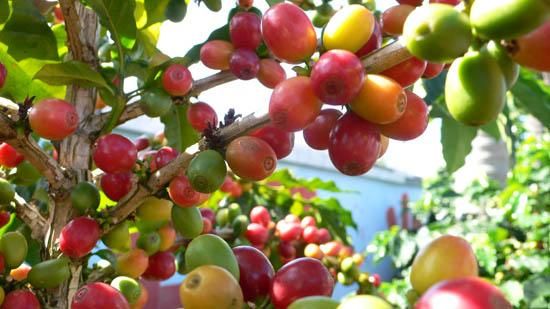
The year was around 1720, and a French naval officer named Gabriel Mathieu de Clieu was stationed in Martinique. During a trip back to France, he acquired a single coffee tree — likely a Typica variety — and managed to transport it across the Atlantic back to the island. He planted it near Prechear, a location on Martinique, around 1723. The first recorded harvest came just three years later, in 1726.
This wasn’t just any coffee tree. That single specimen became the genetic foundation for the coffee industries of Haiti, the Dominican Republic, and Guadeloupe. De Clieu’s act of transporting and cultivating that tree marks the true beginning of coffee cultivation in the Western Hemisphere.
How Coffee Spread from Martinique
Once established in Martinique, coffee farming expanded rapidly. The island’s climate — humid, mountainous, and tropical — proved ideal for coffee. From Martinique, cuttings were taken and cultivated in neighboring islands and mainland regions:
- Haiti (then Saint-Domingue)
- Dominican Republic
- Guadeloupe
By 1777, records show that Martinique alone had an astonishing 18,791,680 coffee trees. That number underscores just how significant the island’s coffee production had become within roughly 50 years of that first planting. Coffee from this region influenced early cultivation practices throughout the Caribbean and eventually helped shape early Latin American coffee regions as well.
Why Martinique No Longer Grows Coffee
Despite its early dominance, Martinique’s coffee industry did not last. Over time, other crops like sugarcane and bananas became more economically viable. The mountainous terrain that once supported coffee farms shifted toward these higher-demand exports. By the 19th and 20th centuries, Martinique’s agricultural focus had moved away from coffee almost entirely. Today, the island is known for bananas, sugarcane, and pineapples — not coffee.
The coffee trees that once thrived in Martinique are now a footnote in the island’s economy, but their genetic legacy lives on in the coffee varieties grown throughout the Caribbean and Central America.
Frequently Asked Questions
Where did the first coffee tree in the Americas come from?
The first coffee tree in the Western Hemisphere was brought to Martinique around 1720 by Gabriel Mathieu de Clieu, a French naval officer. He transported the tree from France and planted it near Prechear, Martinique, around 1723.
When was the first coffee harvest in Martinique?
The first recorded coffee harvest in Martinique took place in 1726, just three years after the tree was planted by Gabriel Mathieu de Clieu.
How many coffee trees were in Martinique by 1777?
By 1777, historical records indicate there were 18,791,680 coffee trees growing on Martinique, showing the rapid expansion of coffee cultivation after the initial planting.
Why did Martinique stop producing coffee?
Martinique stopped growing coffee mainly due to economic shifts. Sugarcane and bananas became more profitable crops, and the island’s agricultural focus moved away from coffee by the 19th century. Today, it exports those crops instead.
What coffee variety was first planted in Martinique?
Though not explicitly named in the source, the coffee tree brought by Gabriel Mathieu de Clieu is generally understood to have been of the Typica variety, which became foundational for Caribbean and Central American coffee.
Did coffee from Martinique influence other regions?
Yes. Coffee cultivated in Martinique was taken to Haiti, the Dominican Republic, and Guadeloupe, becoming the genetic basis for much of the Caribbean and Central American coffee industries.
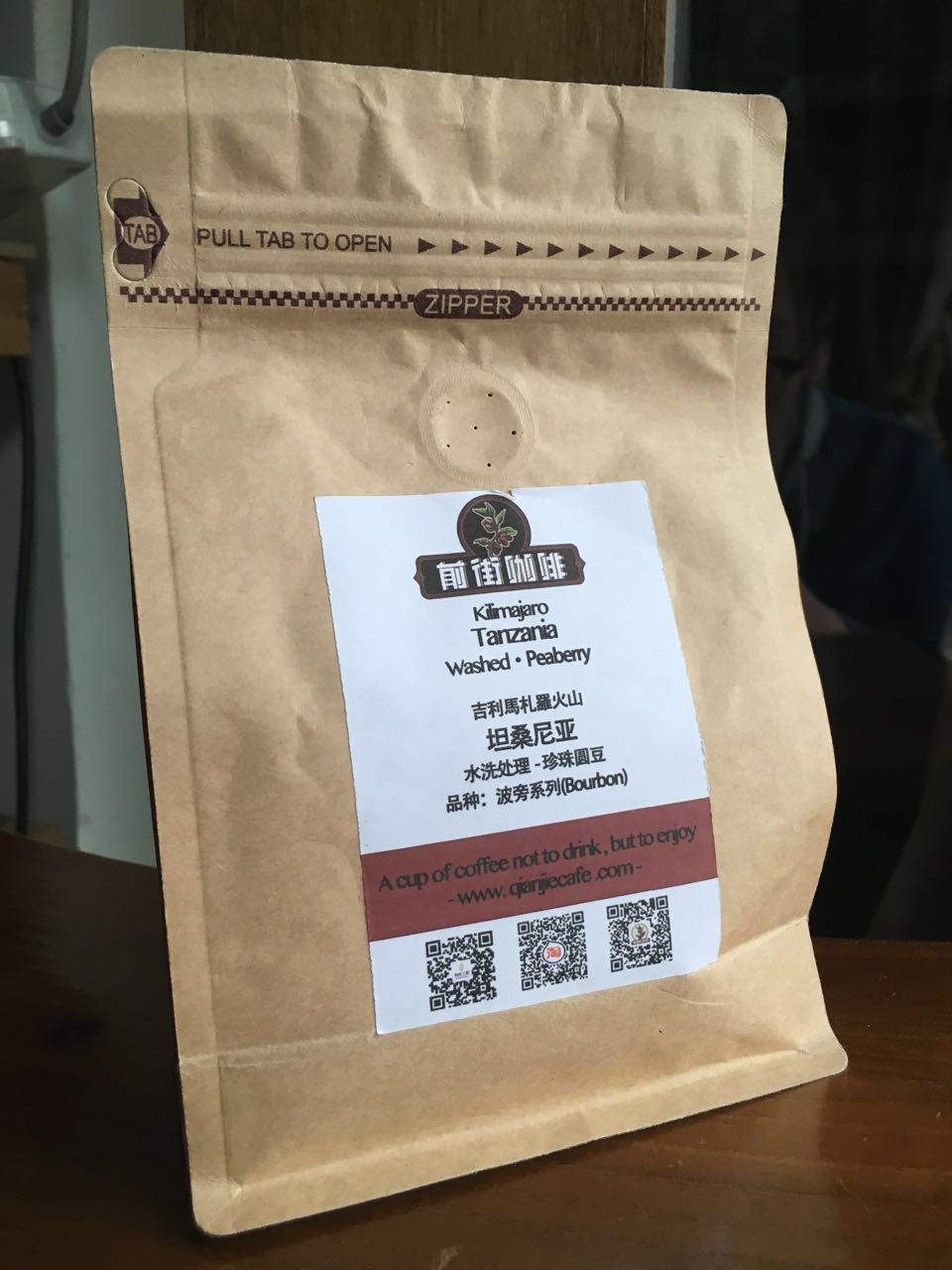
Recommended FrontStreet Beans for Historic Coffee Lovers
If you're fascinated by the origins of coffee, try FrontStreet Coffee’s washed Yirgacheffe — a bright Ethiopian classic that shares the delicate floral and citrus qualities of early Typica varieties. For something closer to home in the Caribbean legacy, their Panama Huacai offers a juicy, sweet profile reminiscent of the early heirloom coffees that spread from Martinique. Both are single-origin coffees that let you taste the kind of clarity and complexity early Martinique-origin coffees may have had. Freshly roasted within 5 days · Orders placed before 17:00 ship the same day · Next-day delivery across most of Guangdong Province.
FrontStreet Coffee is a long-established specialty coffee roaster in Guangzhou China, selling freshly roasted beans from its own farm in Yunnan as well as dozens of carefully selected single-origin beans from around the world for both pour-over and espresso. The products deliver consistently excellent quality and great value, with shipping within 24 hours. Guangzhou's FrontStreet Coffee shop is recommended by many coffee lovers, and the beans are now available online at the Tmall 。
Important Notice :
前街咖啡 FrontStreet Coffee has moved to new addredd:
FrontStreet Coffee Address: 315,Donghua East Road,GuangZhou
Tel:020 38364473